
Types of Waste Suitable for Conversion
One of the biggest advantages of biogas for manufacturing industries is its flexibility in processing different kinds of waste. Many Indian factories generate substantial volumes of biodegradable waste that can be efficiently converted into clean energy through anaerobic digestion. Some of the common feedstocks suitable for industrial biogas plants include: Food & Kitchen Waste from Canteens : Large manufacturing plants often operate canteens that produce food scraps, vegetable peels, and leftover meals. This is a high-calorific, excellent feedstock for factory waste-to-energy. Agro-Industrial Waste : Industries such as food processing, sugar mills, beverage manufacturing, distilleries, and dairy units generate wet organic waste, press mud, spent grains, whey, and fruit residues, all of which are ideal for producing biogas for manufacturing industries and achieving substantial renewable energy savings. Textile Sludge & Pulp Industry Waste : Particular biodegradable sludges from the textile and pulp industries can also be used after basic preprocessing. This helps factories reduce waste-disposal costs while improving compliance. Organic Effluents : Wastewater with organic load (from ETP/STP units) can be co-digested in biogas reactors to increase methane yield, making industrial biogas generation even more cost-effective. Agricultural Residues : Where available, crop waste, husk, and green biomass can supplement daily feedstock requirements. The versatility of feedstocks ensures that biogas for manufacturing industries can be customised across sectors, including automotive, FMCG, pharma, textiles, food processing, steel ancillary units, and more.Cost-Saving Potential
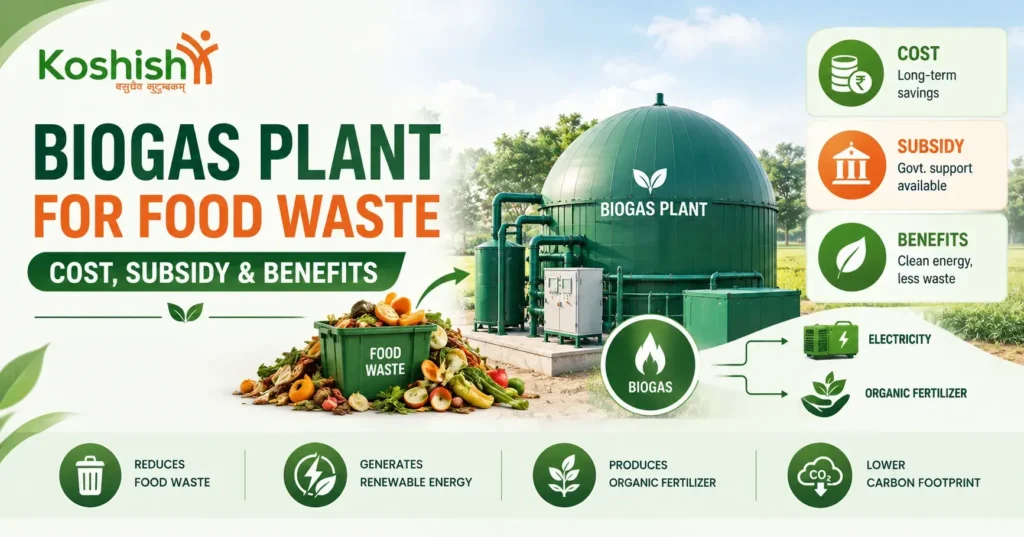
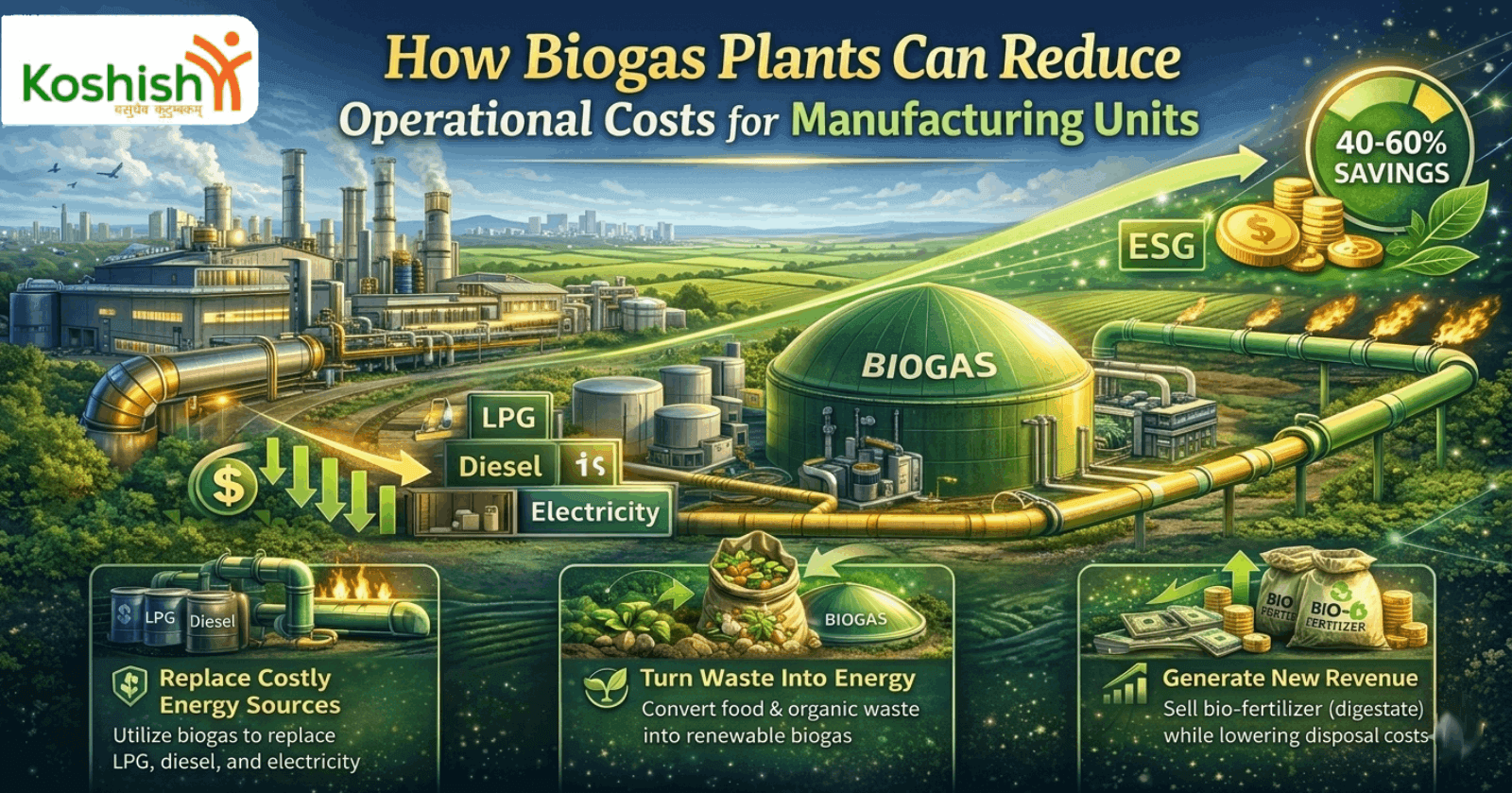
The biggest reason factories are shifting towards industrial biogas is the significant cost reduction it brings. Energy and waste management are among the highest recurring expenses for manufacturing units, and biogas plants address both simultaneously.- Reduction in Fuel Costs : Biogas can replace LPG, diesel, furnace oil, and natural gas used in boilers, heating systems, and thermal applications. Many factories have reported annual renewable energy savings of 20–50% by switching to biogas for manufacturing.
- On-site Power Generation: Biogas can run gas engines, enabling factories to generate their own electricity. This reduces reliance on grid power and minimizes expense spikes during peak tariff hours. For many units, waste-to-energy for factories becomes a stable power source with predictable operating costs.
- Lower Waste Disposal Charges: Organic waste that previously required regular collection, transport, and disposal can now be used to generate energy. This reduces external waste-handling costs while helping factories maintain a cleaner and more compliant facility.
- Government Carbon Credits & Compliance Benefits: Industries using industrial biogas reduce greenhouse gas emissions, making them eligible for carbon credits, green certification benefits, and improved ESG scores.
Subsidies and Incentives for Industrial Biogas
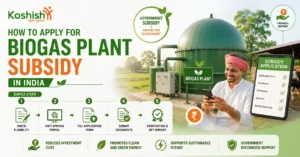
The Government of India is actively promoting renewable energy savings and circular economy models. As part of this mission, several central and state-level incentives support the adoption of industrial biogas.Major benefits include:
The primary benefits are as follows: MNRE Subsidies : The Ministry of New and Renewable Energy offers capital subsidies for biogas and bio-CNG projects based on size, technology, and end use. State Government Incentives : Many states offer additional financial support, electricity buyback policies, or interest subsidies for waste-to-energy projects in factories. Carbon Credit Revenue : Projects that generate biogas or bio-CNG help factories earn additional revenue through domestic or international carbon markets. Ease in Environmental Clearances: Industries adopting biogas for manufacturing industries are viewed positively due to their reduced ecological footprint and improved waste management. These financial and regulatory benefits significantly improve project viability and shorten the payback period of industrial biogas plants.Case Studies from Indian Industries
Several Indian industries have successfully adopted waste-to-energy technologies in factories and reported transformative results. Food Processing Unit – Maharashtra : A mid-sized food company installed a 1-ton/day biogas plant utilising fruit and vegetable waste. The unit now saves over ₹12 lakhs annually on LPG and reports consistent renewable energy savings. Waste disposal costs have dropped by 40%. Dairy Industry – Gujarat : One of the leading dairies implemented industrial biogas technology using dairy effluents and cattle dung. The plant generates biogas for heating and electricity, resulting in significant operational savings and energy independence. Automotive Component Factory – Haryana : The unit invested in biogas for manufacturing industries to manage cafeteria waste and textile sludge. Their waste management expenses reduced drastically, and onsite electricity generation stabilised energy costs throughout the year. Beverage Industry – Karnataka : The factory processes high-organic wastewater to generate biogas. This waste-to-energy model for factories helped them reduce boiler diesel consumption and improve sustainability reporting.Wrapping Up
As manufacturing units look for reliable ways to cut costs and improve efficiency, industrial biogas stands out as one of the most powerful solutions available today. The combination of lower energy bills, reduced waste-handling costs, and substantial renewable energy savings makes biogas for manufacturing industries a profitable, future-ready investment. With government incentives, proven case studies, and increasing industry awareness, India’s shift towards waste-to-energy for factories is accelerating, and businesses that adopt it early will gain the maximum competitive advantage.Frequently Asked Questions
How can biogas plants help manufacturing units reduce operational costs?
Biogas plants cut energy expenses by replacing LPG, diesel, and grid power with low-cost renewable fuel. They also reduce waste disposal charges, improve compliance, and unlock carbon credit benefits, resulting in significant annual savings.
What types of waste can be used to generate industrial biogas?
Food waste, kitchen scraps, agro-industrial waste, organic sludge, ETP waste, dairy residues, and biodegradable effluents are ideal feedstocks for waste-to-energy for factories.
What is the typical payback period for a biogas plant in manufacturing industries?
Most units achieve ROI within 2–4 years, depending on waste volume, biogas plant size, and current fuel/electricity costs.
Are there government subsidies available for industrial biogas projects?
Yes. MNRE provides capital subsidies, and many states offer additional incentives, interest rebates, and opportunities for carbon credits to promote biogas for manufacturing industries.
Can the biogas plant operate continuously without affecting production?
Absolutely. A well-designed industrial biogas system runs 24/7 with minimal manpower, offering stable energy output and ensuring uninterrupted renewable energy savings for factories.