



Our Technology
Advanced Biogas Technology
We transform everyday waste into a continuous, reliable source of eco-friendly energy, turning organic and industrial waste into sustainable power solutions that benefit both businesses and the environment.
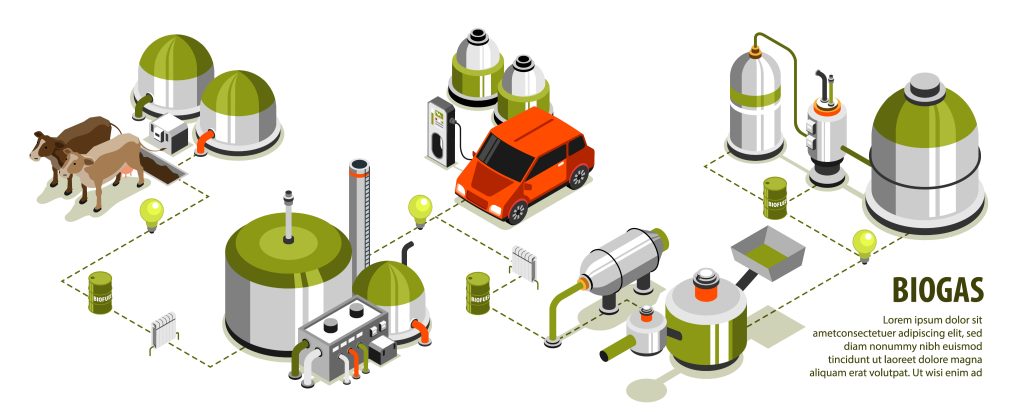
How Our Biodigesters Work
Our technology lies at the core of every sustainable initiative we create. By combining innovation, engineering excellence, and environmental responsibility, we design systems that convert waste into valuable resources. Our advanced Biogas Technologies are developed to deliver maximum efficiency with minimal environmental impact.
Explore the Power of Biodigesters
Experience innovation that converts biodegradable waste into biogas and bio-slurry. Our biodigesters are engineered for efficiency, durability, and environmental impact. Generate renewable energy, reduce emissions, and close the waste loop. Make the future, naturally and responsibly.
Benefit of Biogas & Biofertiliser
A sustainable energy and agriculture bridge created by transforming organic waste into renewable power and valuable resources, promoting eco-friendly practices and long-term environmental benefits.
Renewable Source of Energy
Biogas is produced from organic waste, making it a sustainable and continuously available energy source.
Waste Management Solution
It efficiently treats biodegradable waste from kitchens, farms, and industries, reducing landfill load and pollution.
Reduces Chemical Dependency
Replaces synthetic fertilizers, minimizing soil degradation and groundwater contamination.
Rich in Nutrients
The digestate from biogas plants is an excellent organic fertilizer containing nitrogen, phosphorus, and potassium (NPK).
Improves Soil Health
Enhances soil texture, water retention, and microbial activity, making soil more fertile over time.
Reduction in GHG Emissions
Capturing methane from waste prevents its release into the atmosphere, significantly lowering carbon emissions.
Advantages Of Biogas Plant
Enhance Environment Condition
Generates clean energy while reducing environmental pollution. This helps lower methane emissions and improves overall air quality in surrounding communities.
Helps Achieve Carbon Neutrality
Supports companies and institutions in meeting sustainability and ESG goals. By replacing fossil fuels with biogas, carbon footprints decrease significantly over time.
Reduces Landfill Waste
Converts organic waste into useful energy and nutrient-rich bio-fertilizer. This not only extends landfill life but also prevents harmful toxins from entering ecosystems.

No Foul Smell
Provides odor-free, hygienic waste management solutions. The closed digestion process ensures waste is treated safely and cleanly without disturbing nearby residents.

Creates Local Employment
Generates opportunities in plant installation, operations, and long-term maintenance. Biogas projects help strengthen rural economies and skill development across communities

Supports Government Missions
Aligns with initiatives like Swachh Bharat, GOBARdhan, and SATAT for a cleaner future. These projects encourage circular economy models and contribute to national renewable energy targets.

Frequently Ask Questions
What is a biodigester and how does it work?
A biodigester is a closed system that breaks down biodegradable waste, such as food scraps, agricultural residues, or animal manure, through anaerobic digestion. During this process, microorganisms convert waste into biogas (methane and CO₂) and nutrient-rich bioslurry, which can be used as organic fertilizer. The system runs continuously and requires minimal manual handling once installed.
What type of waste can be used to produce biogas?
Biogas plants can process a variety of organic waste including kitchen waste, livestock manure, food industry waste, agricultural residue, sewage sludge, and canteen or hotel waste. Materials such as plastic, glass, metal, or chemicals cannot be used, as they do not decompose and may harm the microbial process.
What are the benefits of biogas plants for households, industries, and institutions?
Biogas plants reduce waste disposal problems, lower energy costs, and produce organic fertilizer as a natural by-product. They help reduce greenhouse gas emissions, improve sanitation, support sustainability goals, and contribute to the circular economy. For industries and municipalities, they also serve as a compliant and eco-friendly waste management system.
Can a biogas plant help reduce carbon emissions?
Absolutely. Biogas plants capture methane that would otherwise escape into the atmosphere from decomposing waste. Using biogas in place of fossil fuels significantly reduces greenhouse gas emissions, supporting carbon neutrality, ESG reporting, and global sustainability commitments.
Any Question?
You can ask anything you want to know Feedback