

We provide a direct, sustainable solution for poultry farmers to manage poultry waste by converting poultry litter into renewable biogas and bio-slurry.
A biogas plant helps poultry farms convert daily poultry litter into clean, renewable energy and nutrient-rich organic fertiliser. It reduces waste disposal costs, controls odours, lowers greenhouse gas emissions, and improves overall farm efficiency, creating a more sustainable and profitable operation.
The commercial biogas plant is used for turning poultry litter into sustainable energy and bio-slurry. Through the anaerobic digestion process, methane (biogas) is produced, which provides efficiency, durability, and a positive environmental impact.
It generates renewable energy, reduces emissions, and closes the waste loop. Therefore, it makes the future sustainable and responsible.
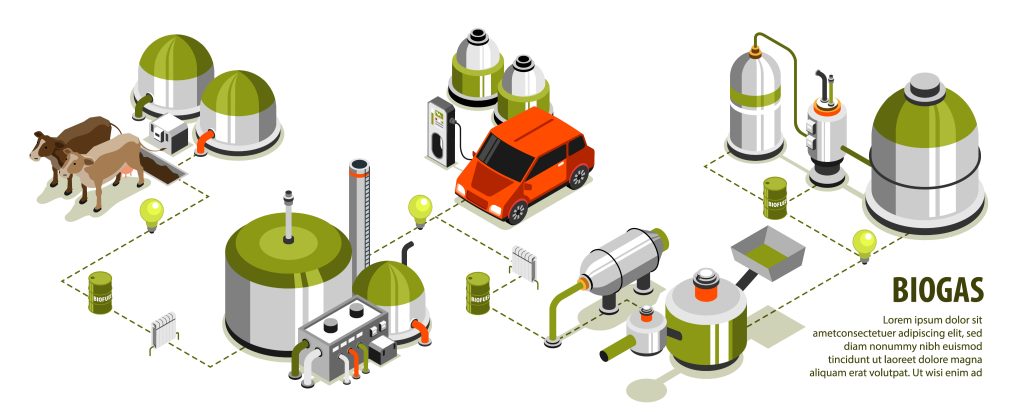
Not just poultry litter is biodegradable waste that can be converted into energy. There are more types of poultry waste mentioned below:
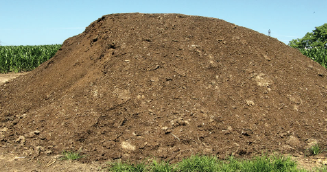
Poultry manure is the best source to generate biogas. It is rich in organic matter and nutrients.
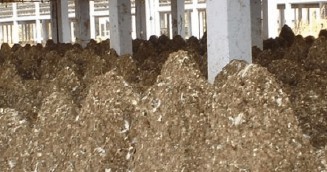
Poultry litter is a mixture of manure, bedding material, feathers, and feed residues that serves as the primary feedstock for a biogas plant.
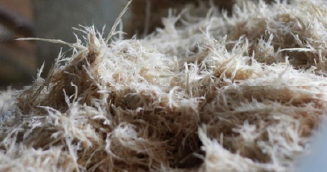
Feather waste is another type of poultry waste that mixes with the poultry manure and improves overall organic waste utilisation.
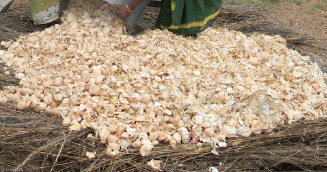
Hatchery waste includes eggshells, unhatched eggs, and organic residues that can be processed through anaerobic digestion.
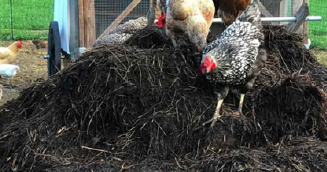
Poultry processing waste consists of hen blood, offal, and other biodegradable residues that can be converted into clean biogas energy.
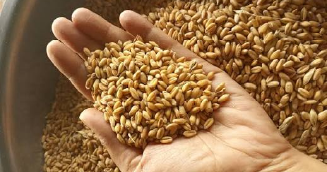
Feed residues, the unused or spilled poultry feed, are biodegradable in nature and can be added to a biogas system to enhance gas production.
There are various reasons for the requirement of a biogas plant in poultry farms:
It reduces waste accumulation, improves sanitation, and eliminates the need for costly and environmentally harmful disposal methods.

This reduces dependence on LPG, diesel, and grid electricity, helping poultry farms cut operational costs while ensuring a reliable and renewable energy supply.
By reducing waste disposal expenses and energy bills while generating additional revenue opportunities, it improves the overall profitability and long-term viability of poultry farms.
The organic fertiliser improves soil health, reduces dependence on chemical fertilisers, and creates an additional source of income for poultry farm owners.
It lowers greenhouse gas emissions, promotes the circular economy, and helps poultry farms meet environmental standards while improving their sustainability profile.
Poultry waste often produces unpleasant odors and harmful gases such as ammonia. A biogas plant minimises odour, and creates a cleaner, healthier environment for workers and nearby communities.
The whole procedure of a poultry biogas plant is as follows:
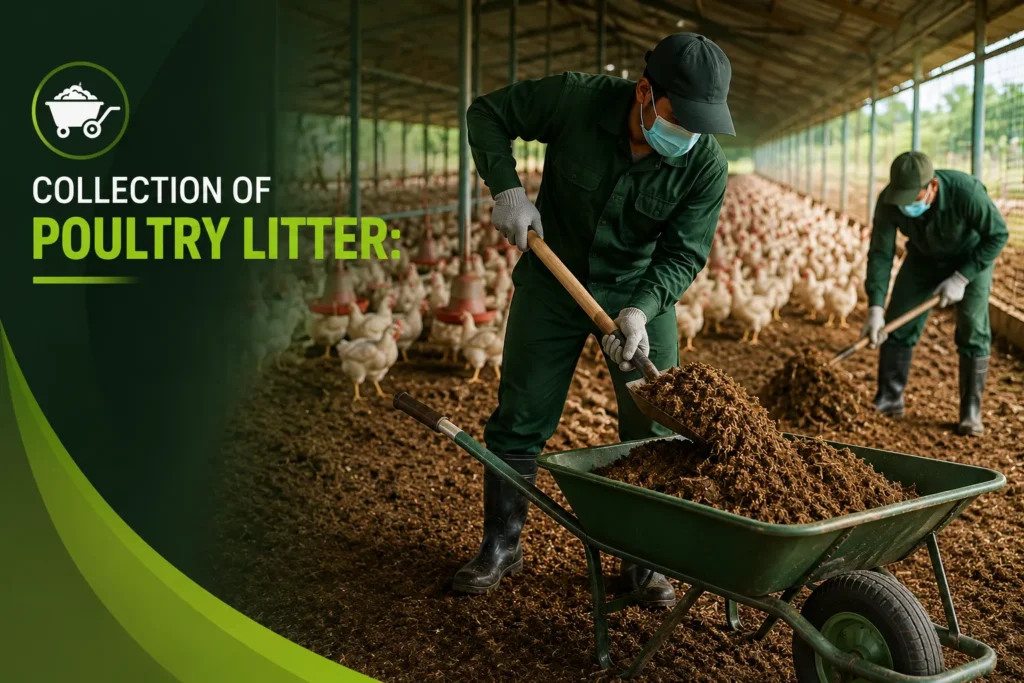
The process begins with the collection of poultry waste from different areas of the farm, including poultry houses, sheds, and surrounding spaces where litter accumulates. The collected material consists of bird droppings, bedding materials, feathers, and other organic waste. Proper collection methods are followed to gather the litter efficiently while maintaining cleanliness and hygiene on the farm. The collected poultry litter is then prepared for further processing, such as composting, recycling, or use as an organic fertilizer.
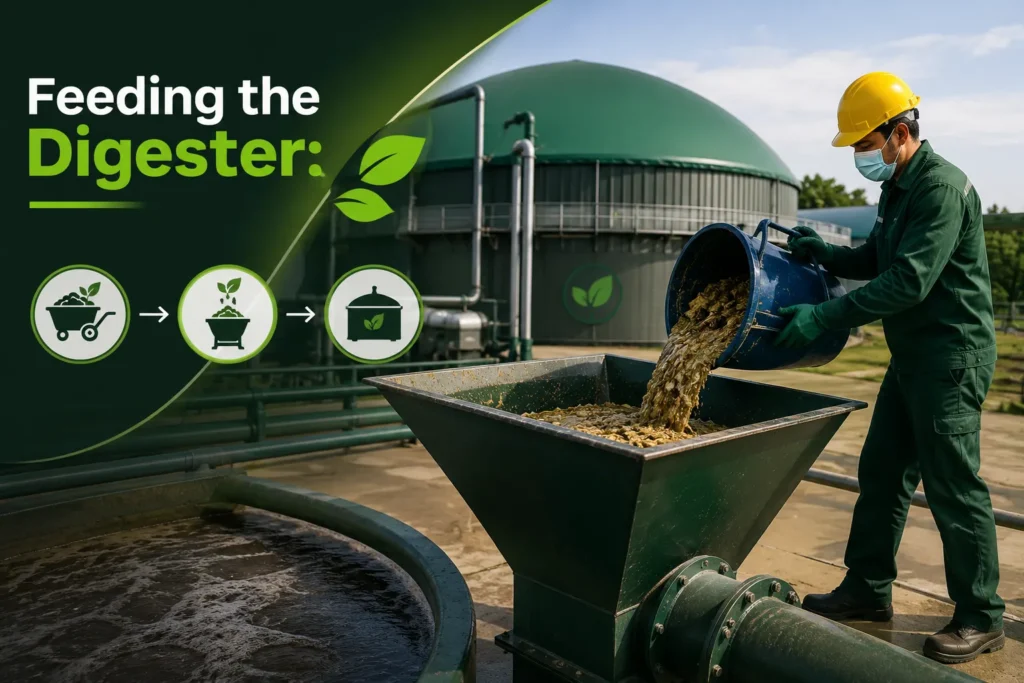
The collected poultry waste is carefully transferred into a large-scale biogas digester, where the decomposition process takes place. The digester is a sealed, airtight chamber designed to maintain an oxygen-free (anaerobic) environment, which is essential for the activity of microorganisms. Inside the digester, these microorganisms break down the organic matter present in the poultry litter and convert it into biogas and nutrient-rich digestate. This controlled process helps in efficient waste management while producing renewable energy and valuable organic fertilizer.
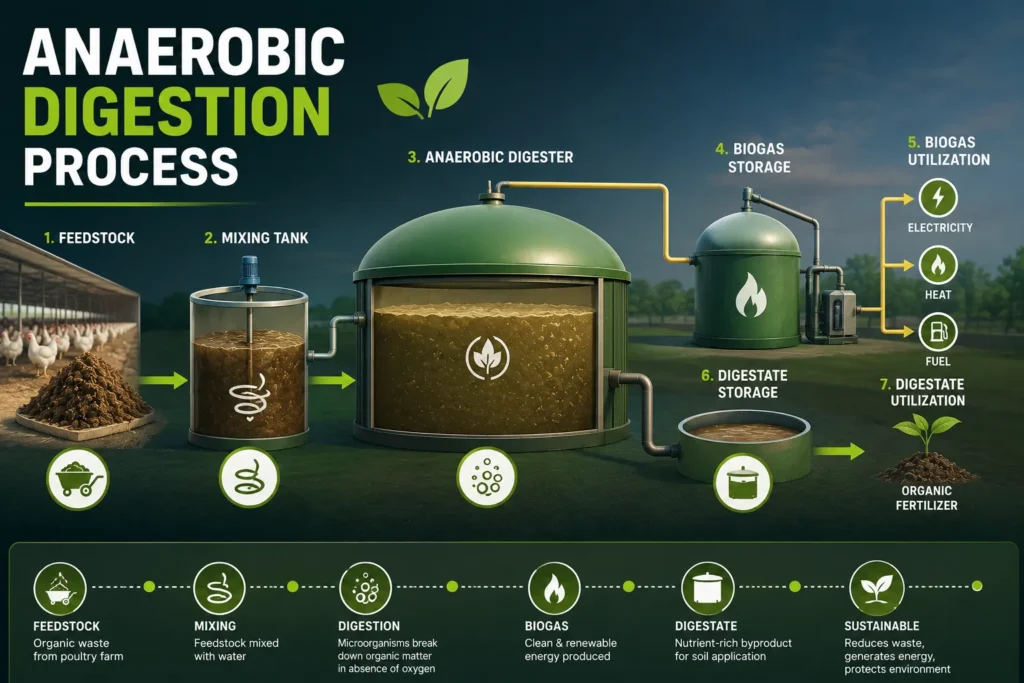
Inside the biogas digester, microorganisms break down the organic matter present in poultry litter under controlled oxygen-free (anaerobic) conditions. This decomposition process usually takes around 45 days, although the duration may vary depending on the size of the biogas plant, operating conditions, and the type of feedstock used. During digestion, bacteria gradually convert complex organic materials into simpler compounds, resulting in the production of biogas. The generated biogas mainly consists of methane (CH₄) and carbon dioxide (CO₂), along with small amounts of other gases. The methane-rich biogas can be collected and utilized as a renewable energy source, while the remaining nutrient-rich digestate can be used as an organic fertilizer.
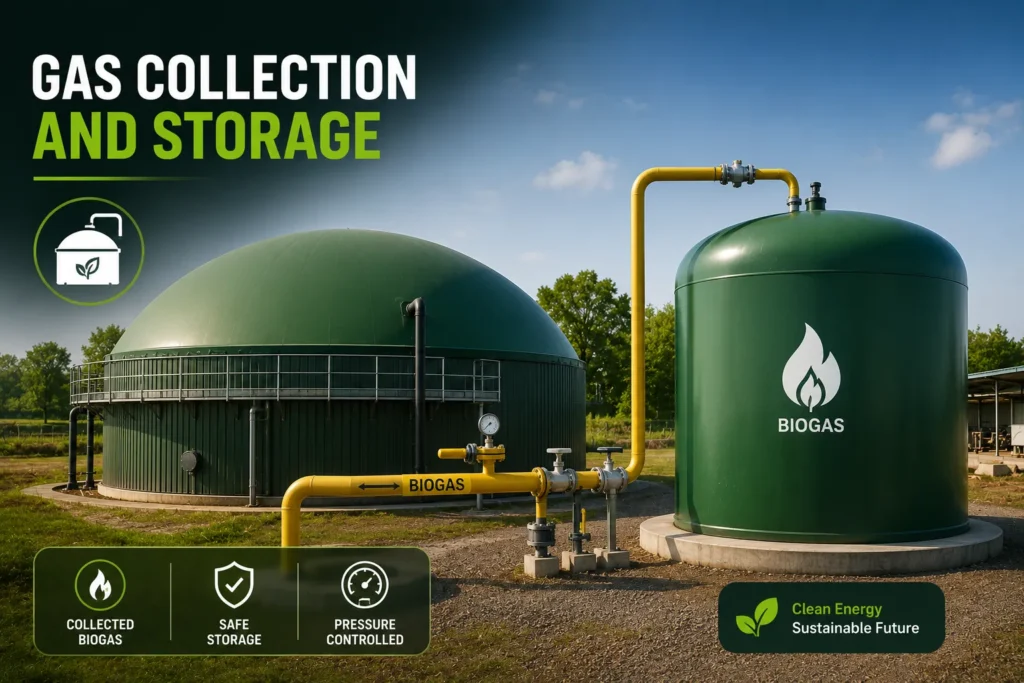
The biogas produced during the digestion process rises and accumulates at the top of the digester, where it is collected in a gas holder or storage dome. The collected gas is stored safely and undergoes purification to remove unwanted impurities such as moisture, hydrogen sulfide, and other trace gases. After cleaning, the biogas may be compressed or pressurized according to the requirements of the application. The purified biogas is then ready for use in industrial processes, electricity generation, heating systems, or as a renewable energy source.
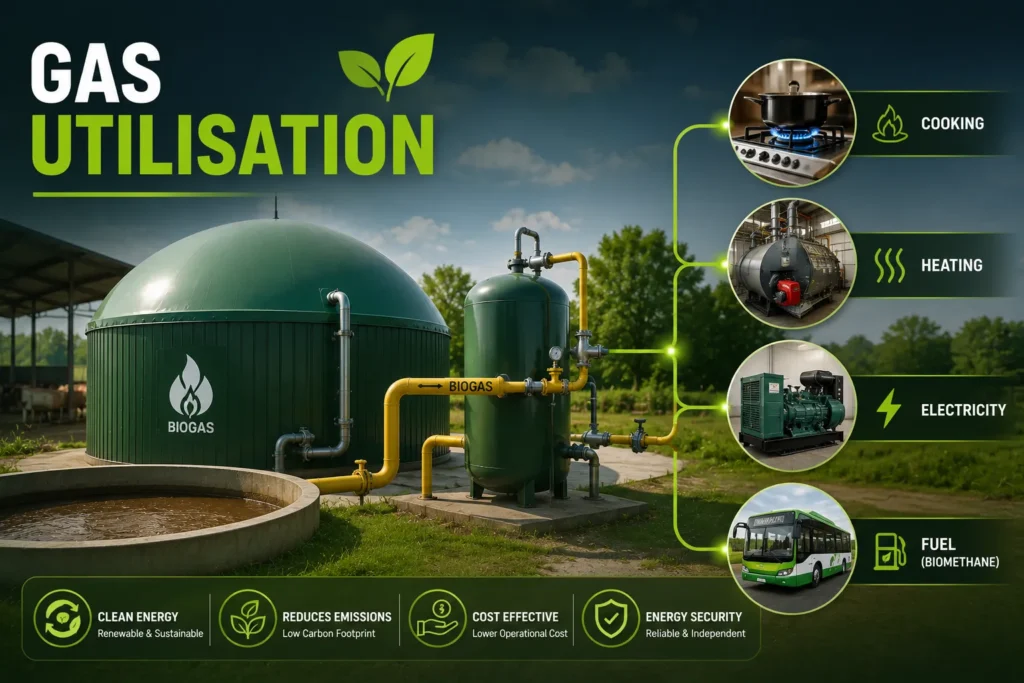
The stored biogas is supplied to various energy systems, such as industrial kitchens, boilers, generators, and turbines, depending on the energy requirements. The biogas is used as a clean and renewable fuel for cooking, heating, and electricity generation. By replacing conventional fossil fuels, biogas helps reduce energy costs, minimize waste, and support sustainable energy production. The efficient utilization of biogas also improves overall resource recovery from poultry waste and promotes environmentally friendly waste management practices.
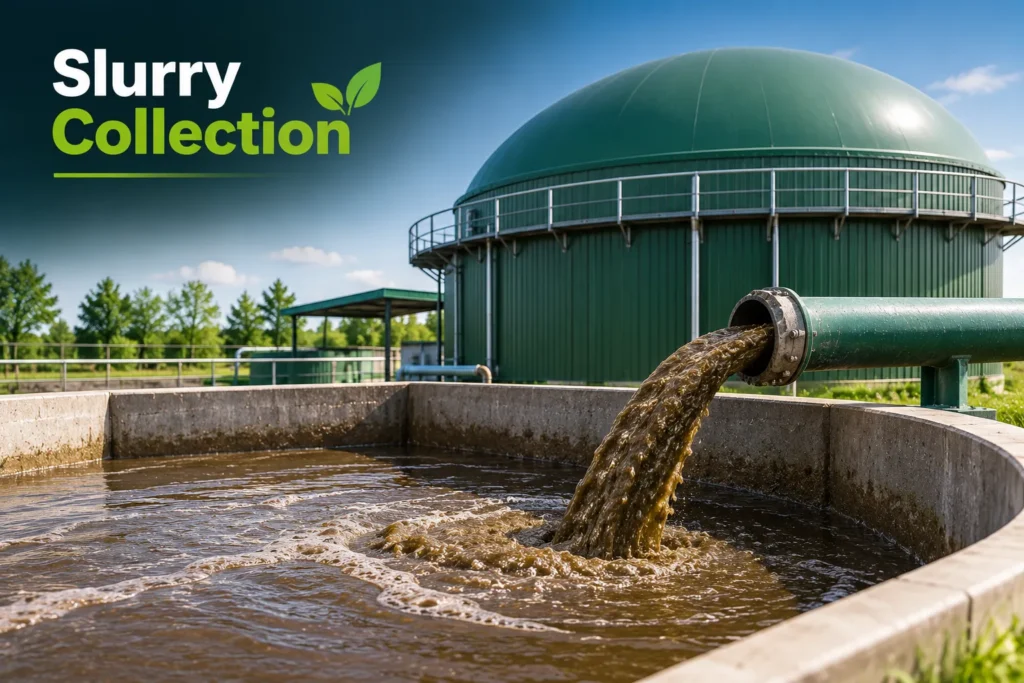
The remaining material after the anaerobic digestion process, known as bio-slurry or digestate, is collected from the digester. This nutrient-rich slurry contains essential plant nutrients such as nitrogen, phosphorus, and potassium (NPK), along with organic matter that improves soil quality. The collected bio-slurry can be used as an organic fertilizer for crops, gardens, and landscaping, helping to enhance plant growth while reducing the need for chemical fertilizers. It also provides an eco-friendly way to recycle poultry waste and support sustainable agricultural practices.
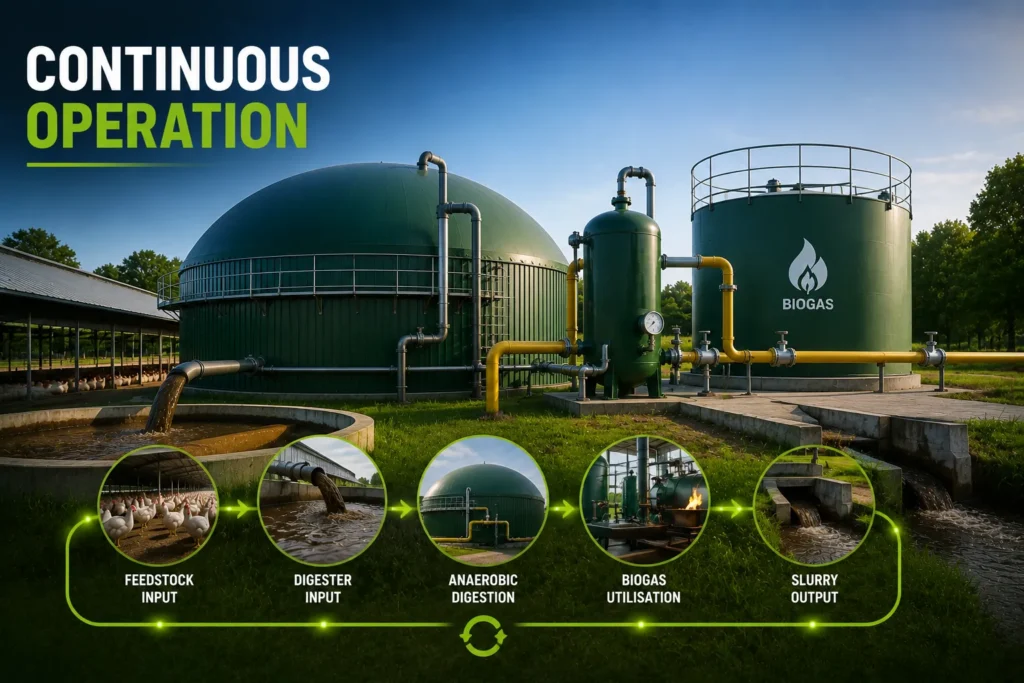
The commercial biogas plant is designed to operate continuously by receiving a regular supply of organic waste. A consistent feeding process ensures a steady production of biogas while efficiently managing large quantities of poultry waste. The continuous operation system helps maintain stable energy generation, improves waste treatment efficiency, and supports reliable long-term performance of the biogas plant.
Broiler Farms
Broiler farms raise chickens for meat and generate large amounts of poultry litter, feathers, and other organic waste every day. Managing this waste properly is essential for maintaining hygiene and reducing environmental impact. Our biogas plants convert poultry waste into renewable biogas and nutrient-rich organic fertiliser through anaerobic digestion. This helps farms reduce waste disposal costs, control odours, lower greenhouse gas emissions, and generate clean energy for heating, electricity, or other farm operations.
Layer Farms
Layer farms produce eggs every day, along with a continuous supply of poultry manure. Instead of disposing of this waste, our biogas plants convert it into clean biogas and nutrient-rich organic fertiliser through anaerobic digestion. The biogas can be used for heating, electricity generation, or cooking, while the fertiliser supports sustainable farming. This solution helps layer farms reduce waste disposal costs, control unpleasant odours, lower greenhouse gas emissions, and decrease dependence on conventional fuels and chemical fertilisers.
Hatcheries
Hatcheries produce biodegradable waste such as eggshells, unhatched eggs, dead embryos, and other organic residues during the hatching process. If not managed properly, this waste can cause foul odours and environmental pollution. Our biogas plants safely convert hatchery waste into renewable biogas through anaerobic digestion. The biogas can be used for heating or electricity generation, while the remaining digestate is converted into nutrient-rich organic fertiliser, helping hatcheries reduce waste disposal costs and operate in a more sustainable and eco-friendly way.
Integrated Poultry Farms
Integrated poultry farms manage multiple poultry operations such as breeding, hatching, broiler, and layer farming, generating different types of organic waste, including poultry litter, manure, eggshells, and hatchery waste. Our customised biogas plants efficiently process this biodegradable waste into renewable biogas and nutrient-rich organic fertiliser. This helps farms reduce waste disposal costs, control odours, lower greenhouse gas emissions, and produce clean energy, making poultry operations more efficient, sustainable, and environmentally friendly.
Breeder Farms
Breeder farms produce manure and other organic waste every day, making proper waste management essential for maintaining a clean and healthy environment. Our poultry biogas plants convert breeder farm manure into renewable biogas and nutrient-rich organic fertiliser through anaerobic digestion. This helps reduce waste accumulation, control unpleasant odours, lower greenhouse gas emissions, and minimise environmental pollution. At the same time, farms benefit from clean energy and high-quality organic fertiliser, improving sustainability while reducing waste disposal and fuel costs.
Broiler farms, layer farms, breeder farms, hatcheries, integrated poultry farms, and contract poultry farms can all benefit from a biogas plant. These systems help manage poultry waste effectively by converting organic waste into renewable energy and valuable bio-slurry fertilizer. Each biogas plant can be customized based on the farm’s waste generation, available space, and energy requirements to ensure efficient operation and maximum benefits.
Koshish provides customised poultry biogas plant solutions designed to meet your farm’s specific requirements. Furthermore, we offer end-to-end support, including plant design, installation, commissioning, and technical assistance, ensuring reliable performance and long-term value.
A poultry biogas plant is a waste-to-energy system that converts poultry litter, manure, and other biodegradable poultry waste into renewable biogas and organic bio-slurry through anaerobic digestion. As a result, poultry farms can manage waste efficiently while producing clean energy and valuable organic fertiliser.
First, poultry litter is collected and fed into an airtight digester. Then, microorganisms break down the organic waste without oxygen to produce biogas. Finally, the remaining bio-slurry is collected and used as an organic fertiliser, making the entire process sustainable and environmentally friendly.
A poultry biogas plant can process poultry manure, poultry litter, feather waste, hatchery waste, poultry processing waste, and feed residues. Therefore, it provides a complete solution for managing different types of biodegradable poultry waste.
Yes. Biogas can replace LPG, diesel, and other conventional fuels for cooking, heating poultry sheds, and generating electricity. Consequently, poultry farms reduce fuel expenses while switching to a cleaner and renewable energy source.
Bio-slurry is the nutrient-rich residue left after biogas production. It contains essential nutrients such as nitrogen, phosphorus, and potassium (NPK). Therefore, farmers can use it as an organic fertiliser to improve soil fertility and reduce the use of chemical fertilisers.
Broiler farms, layer farms, breeder farms, hatcheries, integrated poultry farms, and contract poultry farms can all benefit from a biogas plant. In addition, each system can be customised according to the farm’s waste generation and energy requirements.