
Biogas Plant for Food waste industries
The Smart Way to Handle Food Waste Starts Here
We provide an eco-friendly solution for the domestic & commercial sectors to manage food waste by converting it to biogas energy and organic bio-slurry.
Food Waste Management with Biogas Technology
A food waste biogas plant converts biodegradable food waste into clean bio-energy and organic fertiliser through the anaerobic digestion process. It helps commercial & food processing units reduce landfill waste, minimise disposal costs, improve hygiene, and generate renewable energy, creating a cleaner and more sustainable food waste management system.
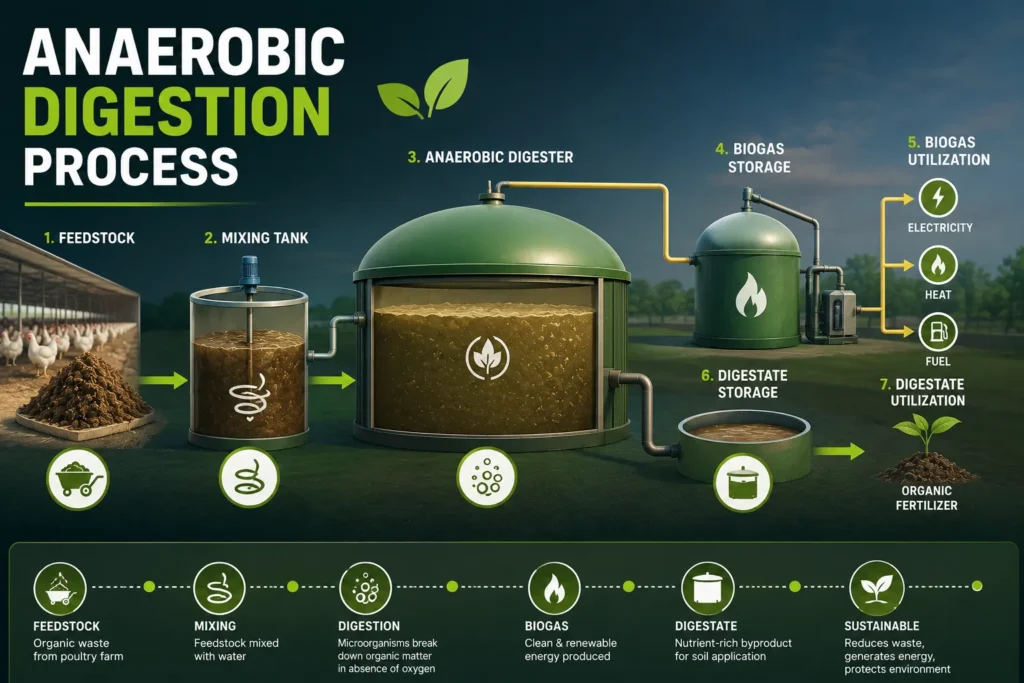
Working Process of a Food Waste Biogas Plant
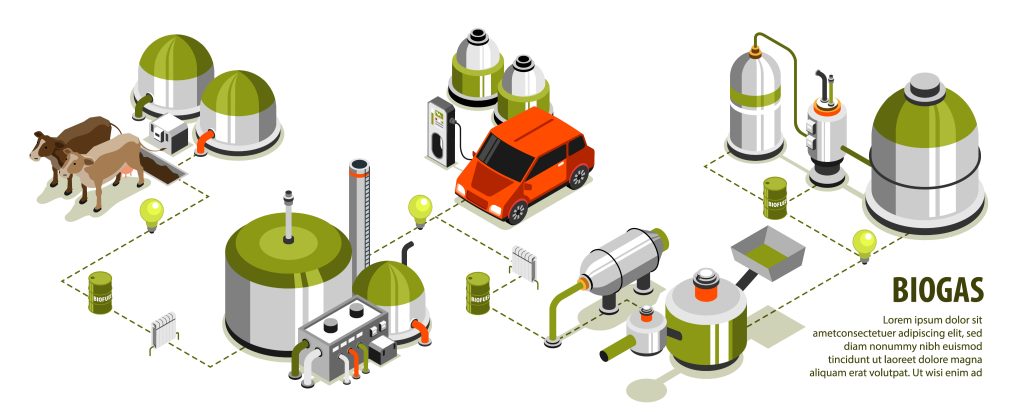
A commercial food waste biogas plant processes organic kitchen and food waste through anaerobic digestion to produce methane gas and other byproducts. Renewable biogas can be used for cooking, electricity generation, heating, or upgraded to bio-CNG, while the digestate becomes an organic fertiliser.
Types of Food Waste Used in a Biogas Plant
Food waste from commercial kitchens, restaurants, hotels, institutions, and food-processing industries can easily be converted to bioenergy. The common feedstocks include the following:
Cooked Food Waste
The leftover cooked food from homes or any other food processing units, such as rice, chapati, vegetables, curries, and pulses, is an excellent feedstock for biogas production due to its high organic content.
Bakery Waste
The breads, cakes, biscuits, pastries, and other bakery products that are expired and are rich in biodegradable organic matter are efficiently converted to biogas.
Dairy Food Waste
The spoiled milk, curd, paneer residues, cheese waste, and whey (water leftover from the solid milk part) are suitable feedstocks that improve biogas production.
Fruit and Vegetable Waste
Fruit peels, vegetable peels, spoiled fruits, and vegetable trimmings directly collected from markets decompose easily and generate a good amount of biogas.
Canteen and Kitchen Waste
Food waste coming from the huge canteens & commercial kitchen waste can be processed daily into bioenergy.
Food Processing Waste
Organic residues generated during food processing, including fruit pulp, vegetable residues, grain waste, and processing sludge, can be effectively converted into biogas.
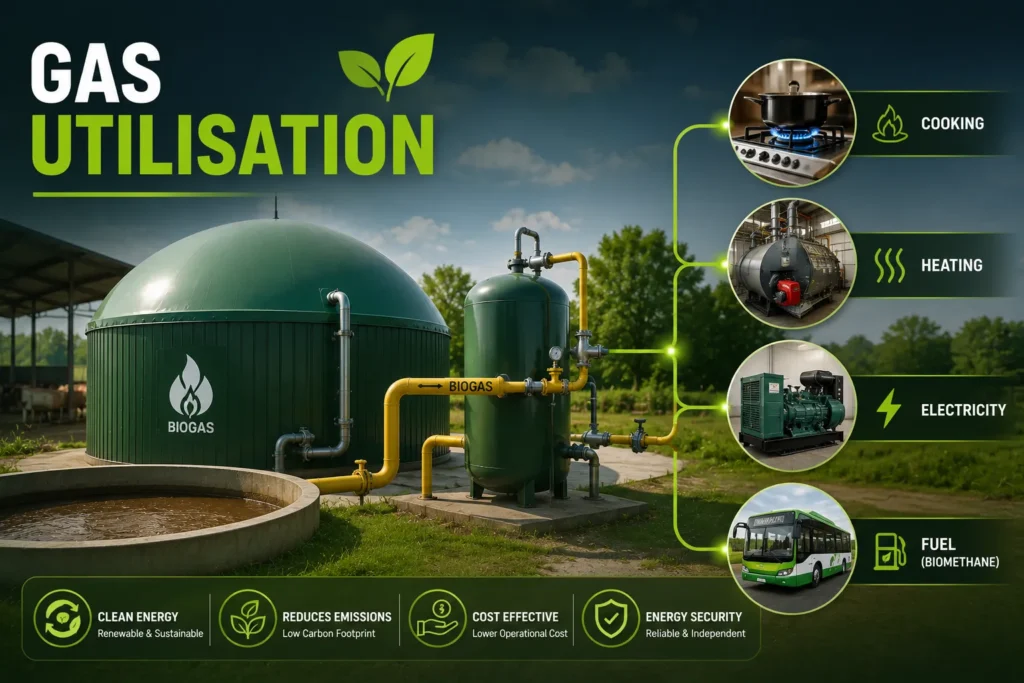
Applications of Biogas Produced
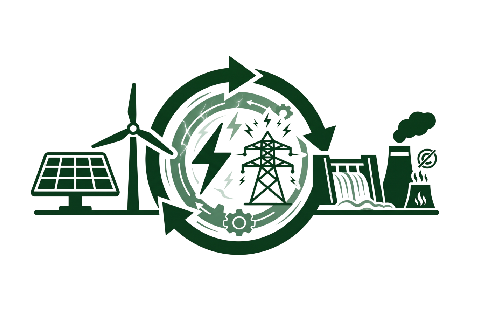
Electricity Production
Biogas can generate electricity to run kitchen equipment and other facility operations, which directly helps in cutting electricity expenses.
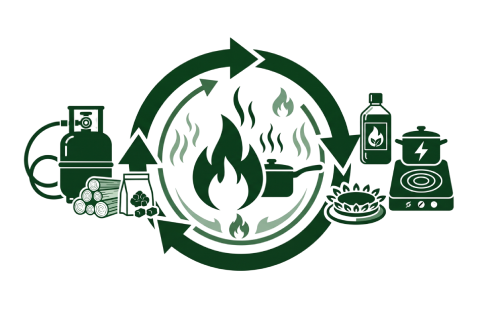
Cooking Fuel
Biogas replaces LPG and commercial cooking gas, providing a reliable source of clean fuel for kitchens.
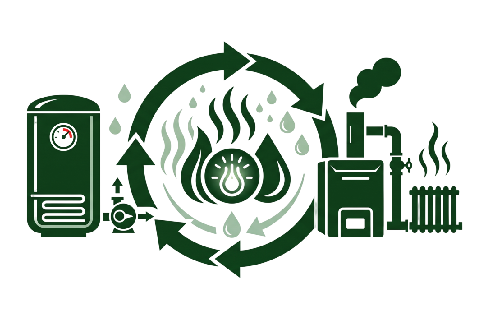
Steam and Water Heating
Biogas can be used in boilers to generate steam and heating purpose such as cooking, cleaning, and food processing operations.
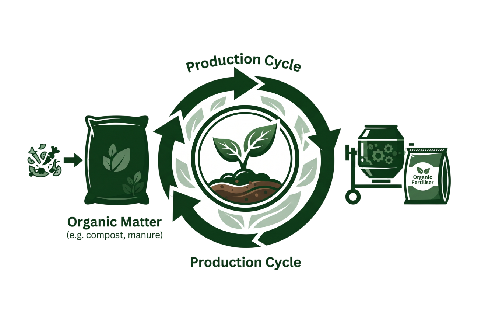
Organic Fertiliser Production
The organic digestate that is produced after biogas generation is converted to organic fertiliser, supporting sustainable agriculture.

CBG Production
Raw biogas is further processed into compressed biogas, the best replacement of natural fuel for use as a clean vehicle fuel or industrial energy source.
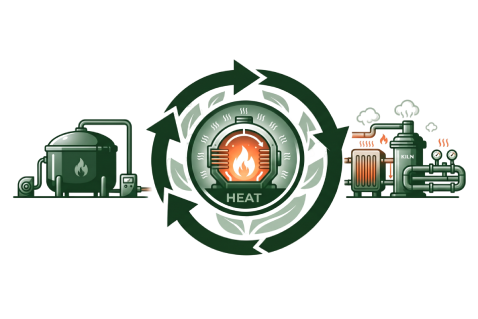
Industrial Thermal Applications
Biogas provides thermal energy for boilers, furnaces, and other heating applications in food processing industries.
Why Do Businesses Require a Food Waste Biogas Plant?
There are various reasons for the requirement of a biogas plant in Food Waste Industries
Efficient Food Waste Management
It converts daily food waste to valuable bioenergy and reduces landfill disposal and waste transportation costs.
Lower Energy Costs
Biogas replaces conventional fuels such as LPG, diesel, and natural gas, reducing operational expenses.
Odour and Pest Control
Processing food waste quickly helps eliminate foul odours, insects, rodents, and hygiene issues around waste storage areas.
Production of Organic Biofertiliser
The bio-slurry produced after digestion becomes a valuable organic fertiliser that improves soil fertility.
Sustainable Waste Management
The plant supports a circular economy by converting waste into renewable energy and reducing greenhouse gas emissions.
Improved Business Profitability
Businesses benefit from lower waste disposal costs, reduced energy bills, and better environmental compliance.
Benefits of Installing a Food Waste Biogas Plant
Environmental Benefits
Reduces landfill waste, controls methane emissions, minimises odours, and supports sustainable waste management practices.

Operational Benefits
Simplifies food waste handling, improves hygiene, reduces waste transportation, and provides a continuous source of renewable energy.

Economic Benefits
Reduces fuel and electricity costs, lowers waste disposal expenses, produces valuable organic fertiliser, and improves long-term operational savings.
How Does a Food Waste Biogas Plant Work?
The whole procedure of a Food Waste Biogas Plant is as follows:
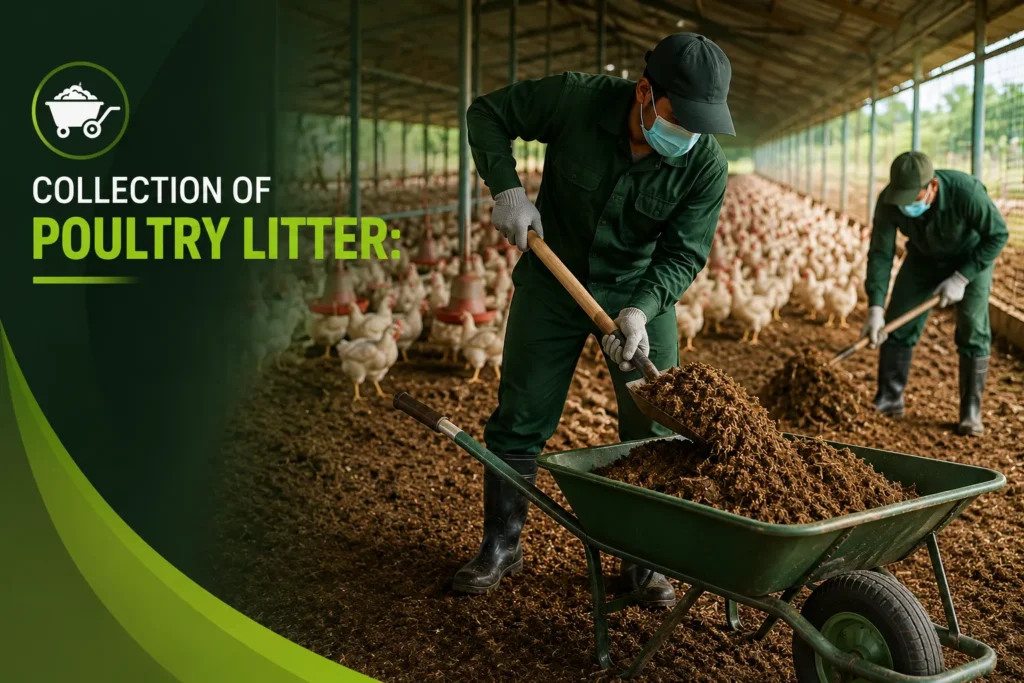
Collection of Poultry Litter:
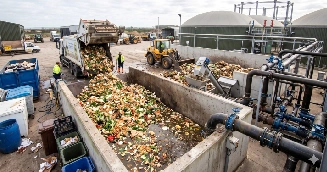
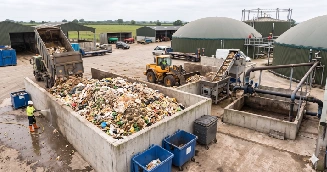
Organic food waste is collected every day from markets & food processing units. This waste may include vegetable and fruit peels, leftover cooked food, expired food products, bread, rice, dairy waste, and other biodegradable materials. Regular collection ensures proper waste segregation, reduces foul odours, prevents pest infestation, and provides a consistent supply of feedstock for the biogas plant.
Separation of Solid Materials :
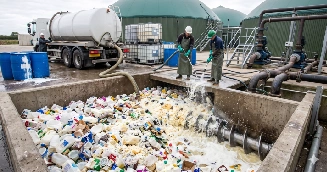
Before entering the biogas plant, the collected food waste is carefully inspected to remove non-biodegradable materials (in case there are any) such as plastic, glass, and packaging materials. The remaining organic waste is then shredded into smaller particles and mixed with water to form a uniform slurry. This preparation process improves the efficiency of microbial activity, allows faster decomposition, and ensures smooth operation of the anaerobic digester.
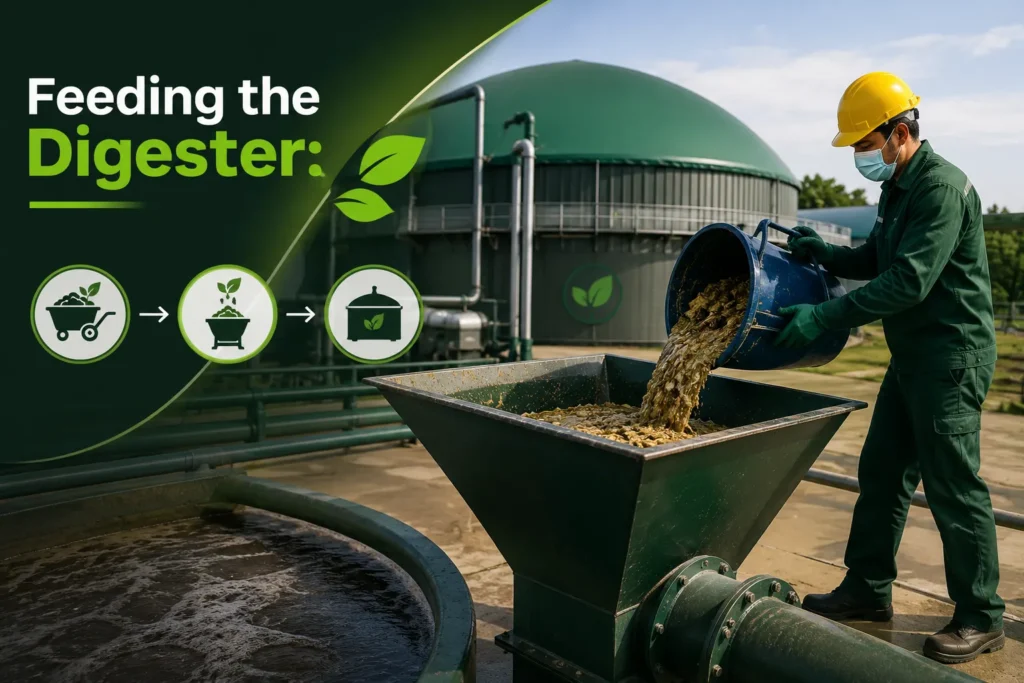
Feeding the Digester :
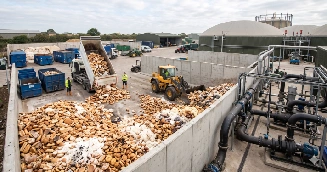
The prepared organic slurry is continuously or periodically fed into an airtight anaerobic digester using a controlled feeding system. Inside the digester, the waste is evenly distributed to maintain stable operating conditions. Proper feeding helps maintain the ideal temperature, moisture level, and nutrient balance required by microorganisms. A consistent supply of feedstock ensures uninterrupted biogas production and improves the overall performance and efficiency of the plant.
Anaerobic Digestion Process :
Inside the anaerobic digester, naturally occurring microorganisms break down the organic matter in the absence of oxygen through different biological stages. During this process, complex food waste is converted into simpler compounds, ultimately producing methane-rich biogas and nutrient-rich digestate. Depending on the type of food waste and operating conditions, the digestion process usually takes several weeks, ensuring maximum gas generation and effective waste treatment.
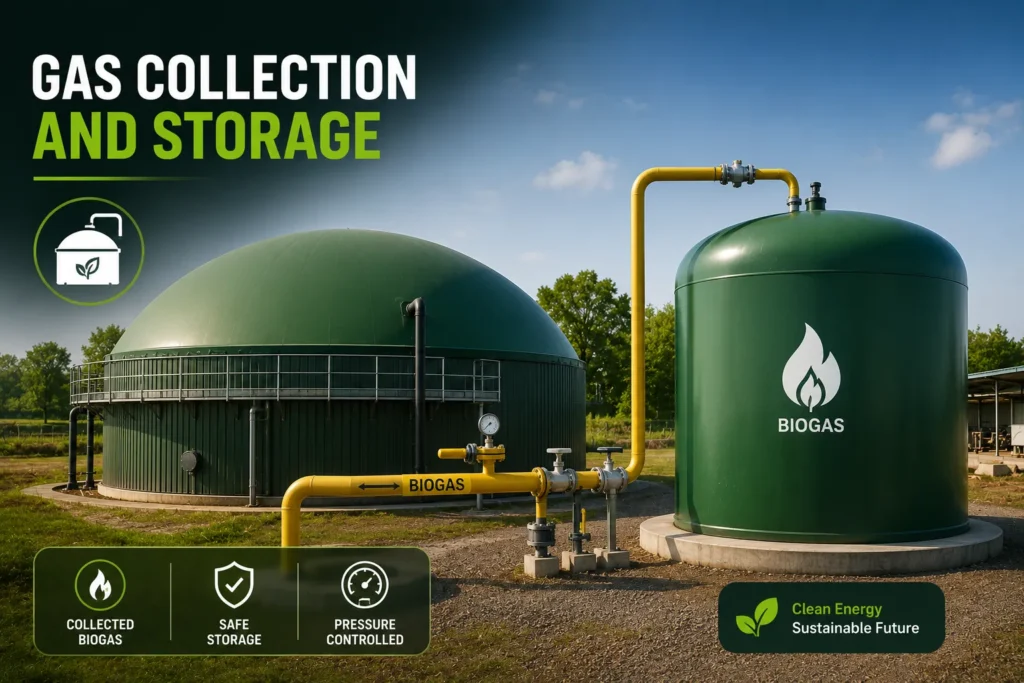
Gas Collection and Storage :
The methane-rich biogas produced during anaerobic digestion is collected through a gas collection system and stored safely in a gas holder. Depending on the application, the biogas can be purified to remove impurities such as carbon dioxide and hydrogen sulphide. The purified gas can then be used for cooking, electricity generation, steam production, industrial heating, or upgraded into Bio-CNG for use as a clean and renewable transportation fuel.
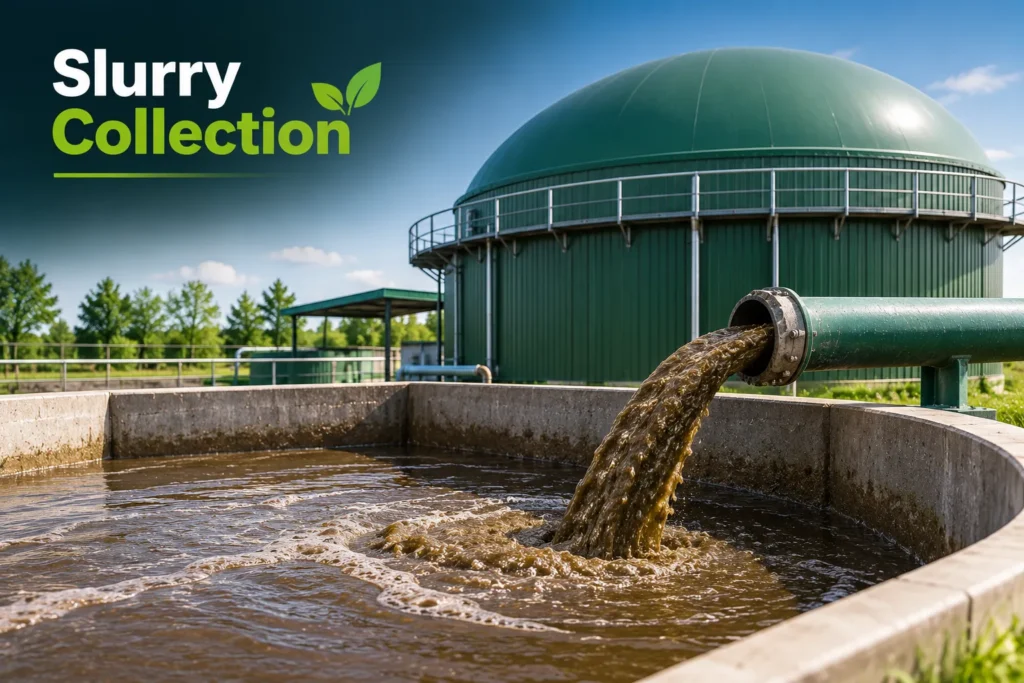
Bio-Slurry Collection :
After the digestion process is complete, the remaining material, known as bio-slurry or digestate, is removed from the digester. This nutrient-rich by-product contains valuable organic nutrients such as nitrogen, phosphorus, and potassium that improve soil fertility. Bio-slurry can be applied directly as an organic fertiliser or further processed into dried manure for agricultural use, reducing dependence on chemical fertilisers while promoting sustainable farming practices.
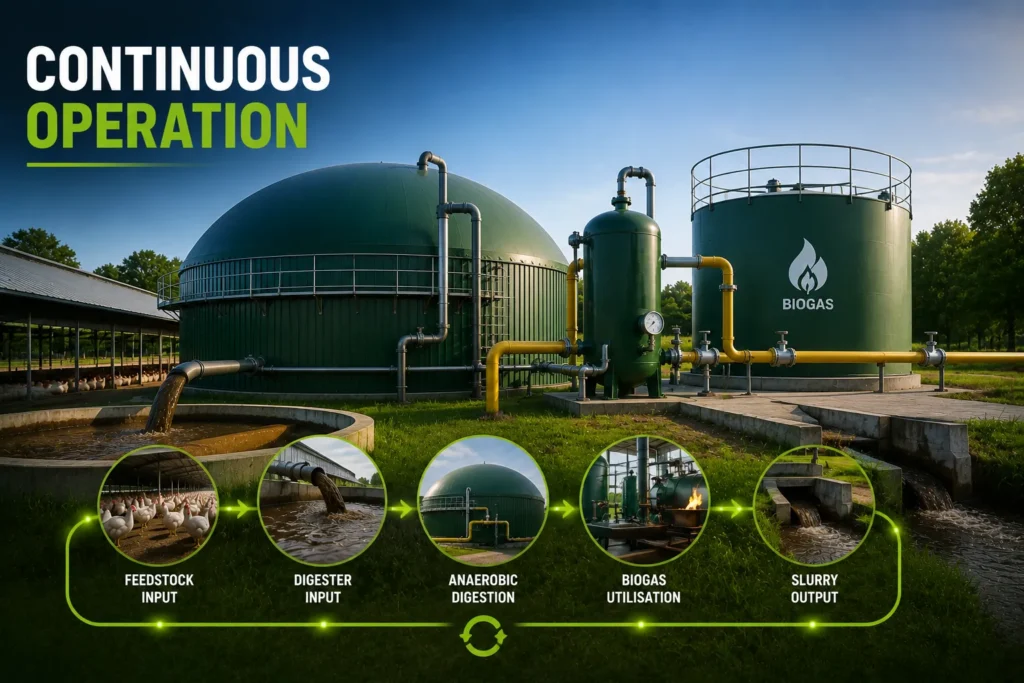
Continuous Operation :
A food waste biogas plant is designed to operate continuously with regular feeding and systematic removal of bio-slurry. As fresh organic waste enters the digester each day, an equal amount of digested slurry is discharged, allowing uninterrupted microbial activity and steady biogas production. This continuous process helps businesses manage food waste efficiently, lower waste disposal costs, reduce greenhouse gas emissions, and generate renewable energy throughout the year.
Industries We Serve
Hotel
Hotels generate large quantities of kitchen waste every day, including leftover food, fruit and vegetable peels, and expired ingredients. Our food waste biogas plants convert this biodegradable waste into renewable biogas and nutrient-rich bio-slurry. This helps hotels reduce waste disposal costs, lower LPG consumption, improve hygiene, and achieve their sustainability goals.
Resturant
Restaurants produce a continuous supply of cooked food waste, vegetable trimmings, and kitchen residues. Our customised biogas plants efficiently convert this waste into clean energy for cooking or heating while producing organic fertiliser. This reduces waste management costs, controls odours, and supports environmentally responsible restaurant operations.
Food Processing Industries
Food processing units generate organic residues such as fruit pulp, vegetable waste, grain residues, dairy by-products, and processing sludge. Our commercial biogas plants convert these biodegradable wastes into renewable energy and organic fertiliser, helping industries reduce waste disposal costs, improve energy efficiency, and meet environmental compliance requirements.
Hostels & Institutional Kitchens
Hostels, schools, colleges, hospitals, and corporate cafeterias generate large volumes of food waste every day. Our biogas plants convert this organic waste into renewable biogas for cooking and hot water applications while producing nutrient-rich bio-slurry. This creates a cleaner, more sustainable, and cost-effective waste management solution.
Supermarkets & Food Retail Chains
Supermarkets and food retail stores regularly discard expired fruits, vegetables, bakery products, and other biodegradable food items. Our food waste biogas plants convert organic waste into clean, renewable energy and valuable organic fertiliser, reducing landfill waste, lowering disposal costs, and supporting sustainable business operations.
Frequently Ask Questions
Why should I choose Koshish for a food waste biogas plant?
Koshish provides customised food waste biogas plants based on your organisation’s waste and energy needs. First, we understand your waste and energy needs. Then, we design the plant to match them. In addition, we offer complete project support, including plant design, installation, testing, and technical help. Our modern technology also helps manage food waste properly and produce biogas regularly. As a result, businesses can save costs, manage waste better, and achieve their sustainability goals.
What is a food waste biogas plant?
A food waste biogas plant turns biodegradable food waste into clean biogas and nutrient-rich bio-slurry through a natural process called anaerobic digestion. In this process, the plant breaks down food waste and produces useful energy. As a result, businesses can use biogas for cooking, heating, making electricity, or producing Bio-CNG. In addition, the plant reduces landfill waste and helps lower pollution. Therefore, it provides a cleaner and more sustainable way to manage food waste.
What types of food waste can be processed in a biogas plant?
A food waste biogas plant can use cooked food, fruit and vegetable peels, leftover meals, bakery waste, dairy waste, expired food, and other organic waste from kitchens and food processing units. First, the plant collects and prepares these materials for digestion. Next, workers check and prepare the waste for the process.Then, the plant breaks down the waste through anaerobic digestion. During this process, the waste turns into clean biogas and useful organic bio-slurry. In addition, the process helps make better use of food waste. Moreover, it reduces the amount of organic waste that needs disposal. As a result, the plant helps manage food waste and produces useful energy. Therefore, it provides a useful way to turn food waste into valuable resources.
How does a food waste biogas plant work?
First, biodegradable food waste is collected and sorted to remove non-organic materials such as plastic, glass, and metal. Next, the prepared waste is fed into an airtight digester. Then, the waste stays inside the digester for the digestion process. Inside the digester, microorganisms break down the waste without oxygen and produce methane-rich biogas. At the same time, the remaining material becomes nutrient-rich bio-slurry. After that, the plant collects and manages the biogas for useful purposes. In addition, the bio-slurry can provide useful nutrients for plants. Finally, farmers can use this bio-slurry as an organic fertiliser. As a result, the plant turns food waste into useful energy and natural fertiliser.
Can a food waste biogas plant reduce energy costs?
Yes. A food waste biogas plant produces renewable biogas that can replace LPG, diesel, and some grid electricity. First, businesses can use this biogas for cooking. Next, they can use it for heating water and making steam. Moreover, they can use it to produce electricity. In addition, biogas provides a useful source of clean energy. As a result, businesses can lower fuel costs and save energy. Furthermore, they can reduce their dependence on regular energy sources. At the same time, they can make better use of food waste. Therefore, they can support cleaner and more efficient operations.
What is bio-slurry, and how can it be used?
Bio-slurry is the nutrient-rich material left after the anaerobic digestion process. First, it contains important nutrients like nitrogen, phosphorus, and potassium (NPK), which make it a good organic fertiliser. In addition, farmers can use it in fields, gardens, parks, and plant nurseries. Moreover, it helps improve soil fertility and supports healthy plant growth. Also, it can help plants grow better. At the same time, it makes good use of the material left after biogas production. As a result, farmers can reduce the need for chemical fertilisers. Therefore, bio-slurry provides a useful and natural way to support better soil and plant health.
Which industries can benefit from a food waste biogas plant?
Hotels, restaurants, food processing units, hostels, hospitals, office cafeterias, schools, supermarkets, food courts, and commercial kitchens can all use a food waste biogas plant. First, we check the amount of food waste each facility produces. Next, we understand its daily energy needs. Then, we customise the plant to match these needs. In addition, the plant helps each facility manage food waste better. Moreover, it turns organic waste into useful biogas. At the same time, businesses can use clean biogas for their daily energy needs. As a result, they can reduce waste and make better use of food waste. Furthermore, this solution supports cleaner and more efficient operations. Therefore, a food waste biogas plant can help businesses manage waste and use clean energy.
Is a food waste biogas plant environmentally friendly?
Yes. A food waste biogas plant keeps biodegradable waste out of landfills. First, it helps reduce methane and other harmful gases. Also, it controls bad smells and reduces the need to transport waste. Moreover, the plant turns organic waste into clean energy and organic fertiliser. In addition, it helps reduce the amount of waste sent to landfills. Furthermore, businesses can reuse food waste instead of throwing it away. At the same time, they can produce useful energy from this waste. Besides this, the process can support better waste management. As a result, businesses can manage food waste more easily. Therefore, it provides a cleaner and more sustainable way to manage food waste.