
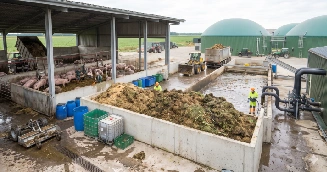
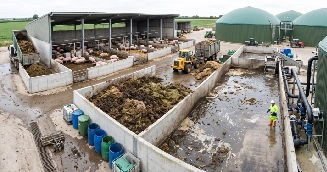
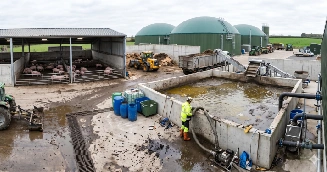
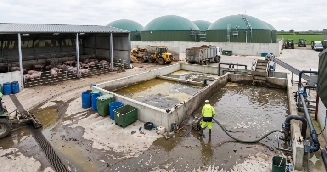
Biogas Plant for Piggery Farm

Manage Piggery Farm Waste Sustainably With Koshish

We help farms and commercial piggery units manage their waste sustainably by transforming piggery waste into clean biogas energy and valuable organic bio-slurry.

Easy Piggery Waste Management with Biogas

A commercial biogas plant helps farms manage pig waste in a better way. It turns pig manure and other organic waste into clean energy. Farms can use this energy for cooking, heating, and making electricity. In addition, the plant uses a natural process called anaerobic digestion. During this process, natural bacteria break down waste without air. As a result, the plant produces useful biogas.

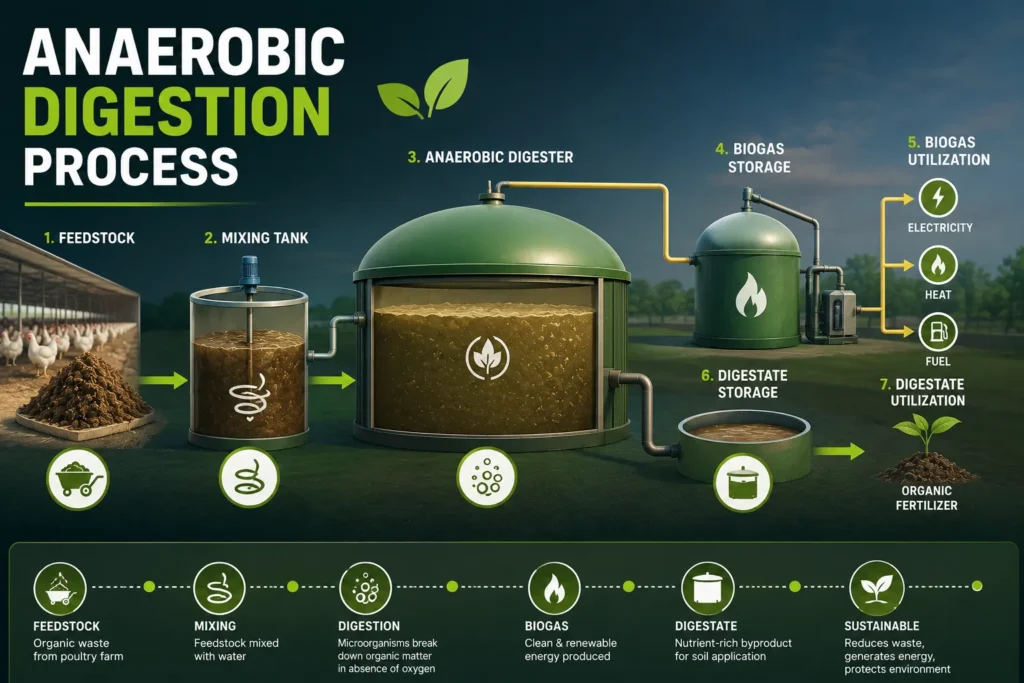
Working Process of a Piggery Waste Biogas Plant

A piggery biogas plant turns pig manure and other organic waste into useful energy. It also produces natural fertiliser. First, workers collect the waste from the farm. Next, they prepare it for the digestion process. Then, microorganisms break down the waste without air. During this process, the biogas plant produces biogas.


The farm can then use this biogas for cooking, heating, and making electricity. In addition, workers can clean the gas and turn it into CBG gas.

Koshish Sustainable Solutions

Types of Piggery Waste Used in a Biogas Plant

Pig farms produce different types of waste every day. Many of these materials can go into a biogas plant. However, the waste must be suitable for digestion. The main types include:

biogas for poultry farm

Pig Manure

Pig manure is the main waste used in a biogas plant. First, farms collect fresh manure from pig sheds. It contains organic matter that bacteria can break down. Then, these bacteria help produce biogas. As a result, pig manure becomes a useful source of energy.

biogas for poultry farm

Pig Shed Wash Water

Workers use water to clean pig sheds and remove manure. This water can contain organic waste. Therefore, farms can collect it and send it to the biogas plant. In addition, it can help make the right slurry for the digester.

biogas for poultry farm

Feed Residues

Pigs may leave some feed behind. They may also spill feed in the shed. Farms can use suitable leftover feed in the biogas plant. However, workers should first remove plastic, stones, and other unwanted items. This helps keep the digestion process safe and smooth.

biogas for poultry farm

Organic Farm Wast

Pig farms may also produce other organic waste. For example, this can include plant waste and other natural materials. Farms can use suitable waste in the plant after checking its quality. Therefore, more organic waste can be reused instead of being thrown away.

biogas for poultry farm

Piggery Sludge

Poultry processing waste consists of hen blood, offal, and other biodegradable residues that can be converted into clean biogas energy.

biogas for poultry farm

Pig Urine and Liquid Waste

Pig farms also produce urine and other liquid waste. This waste can contain organic matter. First, farms collect the liquid waste. Then, they can mix it with suitable solid waste. After that, the mixture can go into the digester.

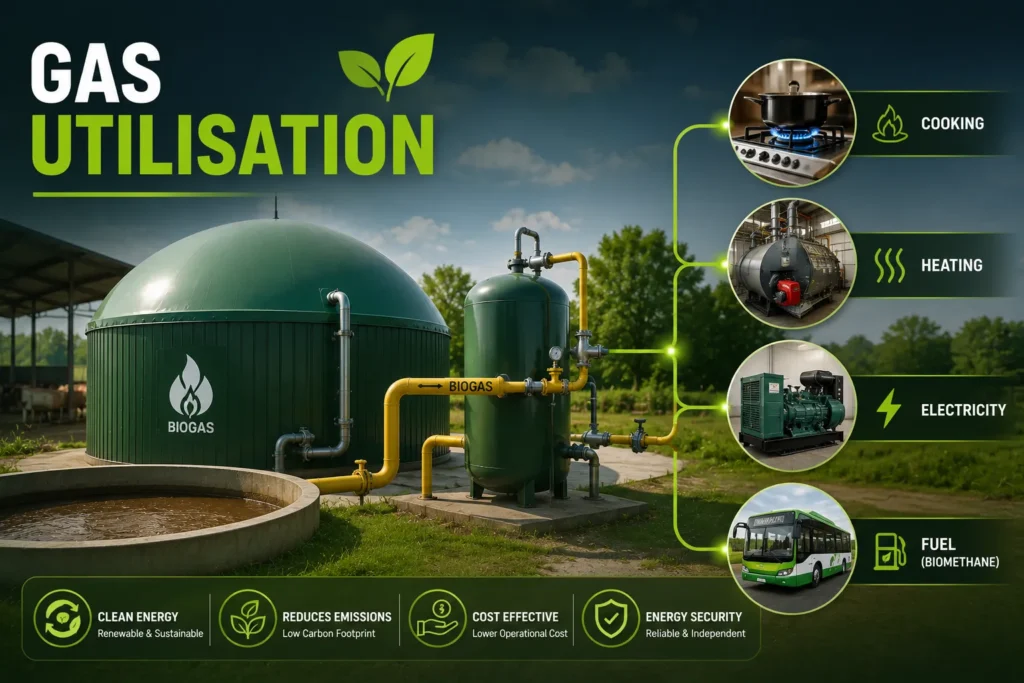
Applications of Produced Biogas

biogas for poultry farm

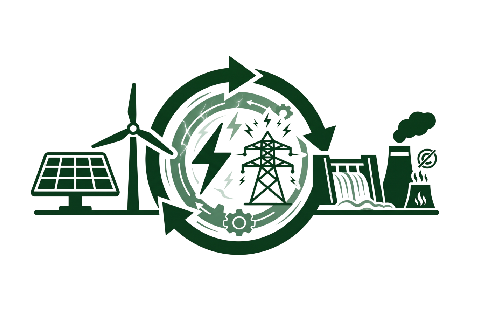
Electricity Generation

Biogas can run a generator and produce electricity. Farms can use this power for lights, pumps, machines, and other work. Therefore, they can reduce their need for grid power. As a result, the farm can make better use of its waste.
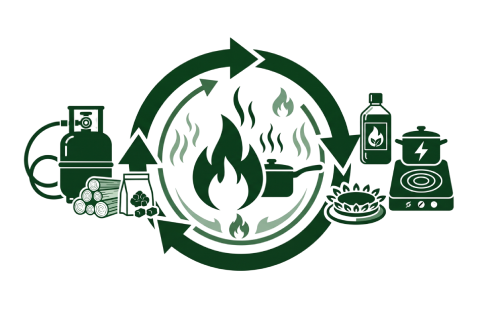
Cooking Fuel

Farms can use biogas as a cooking fuel. It can reduce the use of LPG and other fuels. In addition, it can provide a useful fuel for farm kitchens. Therefore, farms can turn waste into a useful cooking fuel.
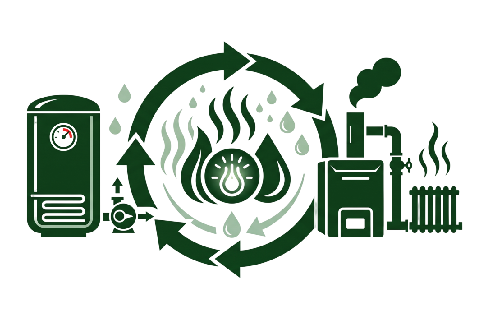
Steam and Water Heating

Biogas can run boilers and heating systems. Farms can use it to heat water or make steam. This heat can support cleaning, processing, and other farm work. Moreover, it can reduce the need for regular fuels.
biogas for poultry farm

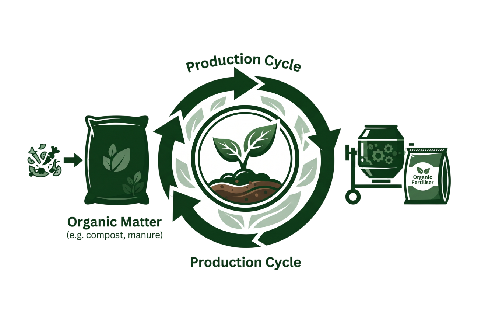
Organic Fertiliser Production

The biogas process also produces bio-slurry. It contains organic matter and useful nutrients. Farms can use it as an organic fertiliser for crops, plants, and gardens. As a result, farms can make better use of the waste left after digestion.
biogas for poultry farm

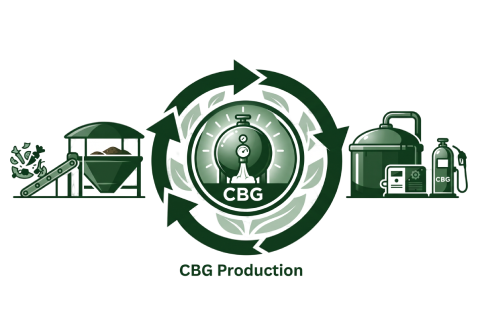
CBG Production

Farms can clean and upgrade biogas to make compressed biogas, or CBG. First, the biogas goes through a cleaning process. Then, it can be upgraded for suitable use. As a result, CBG can work as a cleaner fuel for transport and some industrial uses.
biogas for poultry farm

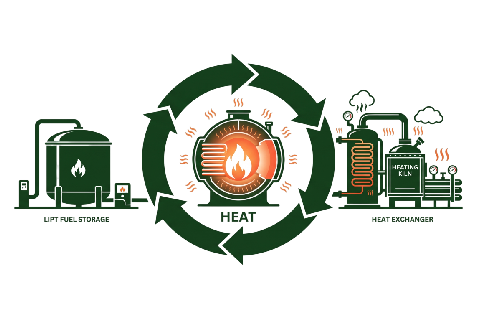
Industrial Heating

Biogas can provide heat for boilers and heating systems. Farms and processing units can use this heat for work that needs a steady energy supply. Therefore, biogas can support many daily heating needs.

Why Do Businesses Need a Piggery Waste Biogas Plant?

A commercial piggery waste biogas plant can help businesses in many ways. It can manage waste, produce energy, and support cleaner farm operations. In addition, it can help farms make better use of the waste they produce every day.

biogas plant

Organic Fertiliser:

 The plant produces nutrient-rich bio-slurry. Farms can use this slurry as an organic fertiliser. It can support crops, plants, gardens, and other farm activities. In addition, it helps farms make better use of the material left after digestion.

biogas plant

Better Waste Use

 A biogas plant turns waste into energy and fertiliser. Therefore, farms can reuse their waste instead of treating it only as rubbish. Moreover, this creates a better waste management system. As a result, farms can get more value from their daily waste.

Biogas plant for Poultry

Better Farm Savings

A biogas plant can help farms save money on energy and waste handling. It also gives farms useful bio-slurry. In addition, farms can use this slurry as organic fertiliser. As a result, farms can get more value from their daily waste.

Poultry Biogas plant

Better Piggery Waste Management

A biogas plant turns daily pig manure and other organic waste into useful energy. First, farms collect the waste. Then, the plant processes it through anaerobic digestion. As a result, farms need less space to store and dispose of large amounts of waste.

Poultry biogas plant

Lower Energy Costs

 The plant makes energy from waste already available on the farm. Therefore, farms can use less LPG, diesel, and other fuels. As a result, they may lower their energy costs. In addition, they can use their own waste as a useful energy source.

Less Odour and Fewer Pests

Regular waste treatment helps stop manure from building up. This can reduce bad smells and flies around pig sheds. Moreover, it helps keep waste areas cleaner. Therefore, better waste treatment can improve farm cleanliness.

How Does a Piggery Waste Biogas Plant Work?

Collection of Piggery Waste: 

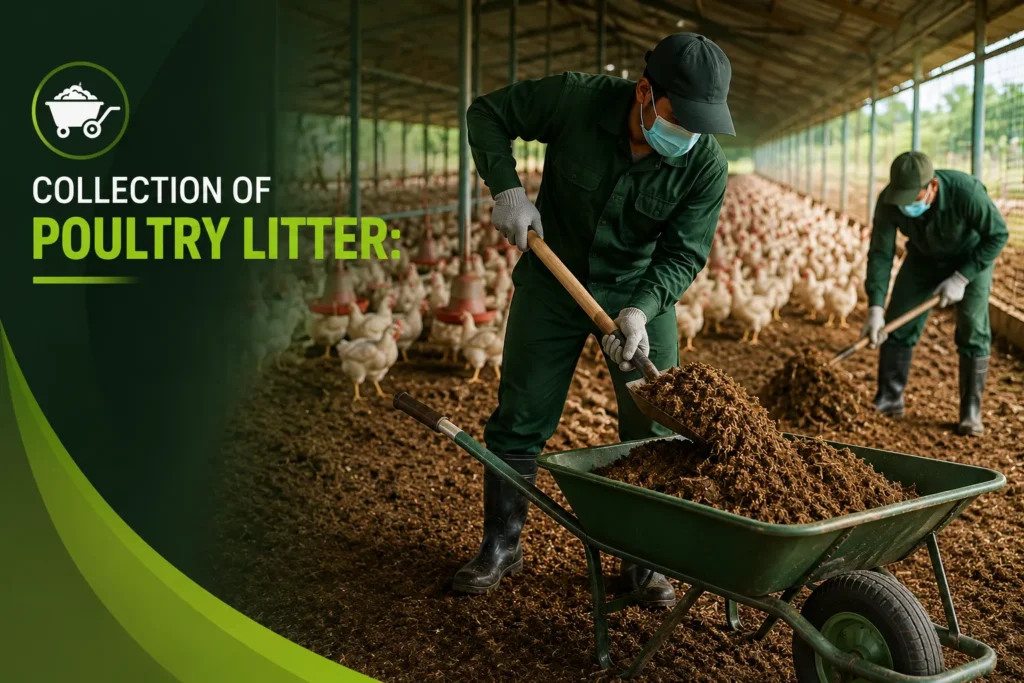
Workers collect pig manure, urine, shed wash water, and other suitable waste. They collect the waste from pig sheds on a regular basis. This helps keep the sheds clean. It also reduces bad smells. Moreover, regular collection gives the plant a steady supply of waste.

Collection of Poultry Litter

Collection of Poultry Litter:


The process begins with the collection of poultry waste from different areas of the farm, including poultry houses, sheds, and surrounding spaces where litter accumulates. The collected material consists of bird droppings, bedding materials, feathers, and other organic waste. Proper collection methods are followed to gather the litter efficiently while maintaining cleanliness and hygiene on the farm. The collected poultry litter is then prepared for further processing, such as composting, recycling, or use as an organic fertilizer.

Removal of Unwanted Waste:

Workers check the waste before it enters the plant. First, they remove plastic, stones, metal, bags, and other unwanted items. Next, they prepare the clean organic waste. Then, they mix it with water to make a slurry. This makes the waste ready for the digestion process.

Feeding the Digester
Anaerobic Digestion Process

Feeding the Digester:

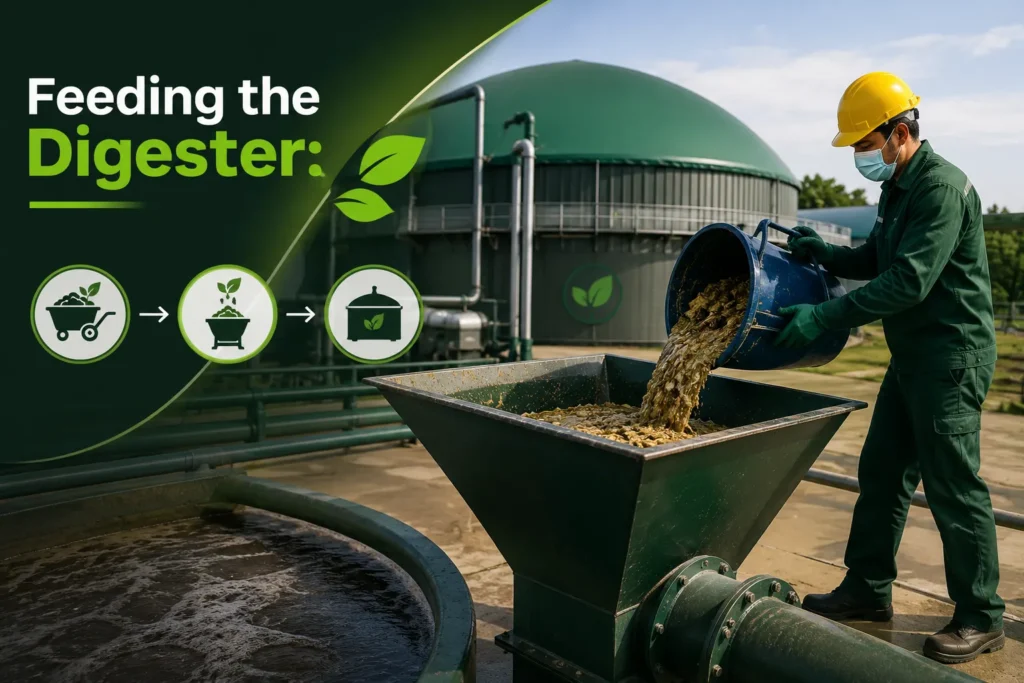
Workers send the prepared slurry into an airtight digester. The plant feeds the digester in a controlled way. Regular feeding gives bacteria a steady supply of waste. Therefore, the plant can produce biogas on a regular basis. In addition, regular feeding supports smooth plant operation.

Anaerobic Digestion:


Inside the closed digester, natural bacteria break down the waste without air. During this process, the waste slowly changes into biogas and digestate. The biogas contains methane, which gives it energy value. At the same time, the digestate becomes a useful material. Later, farms can use it as organic fertiliser.

Gas Collection and Storage
Gas Utilisation

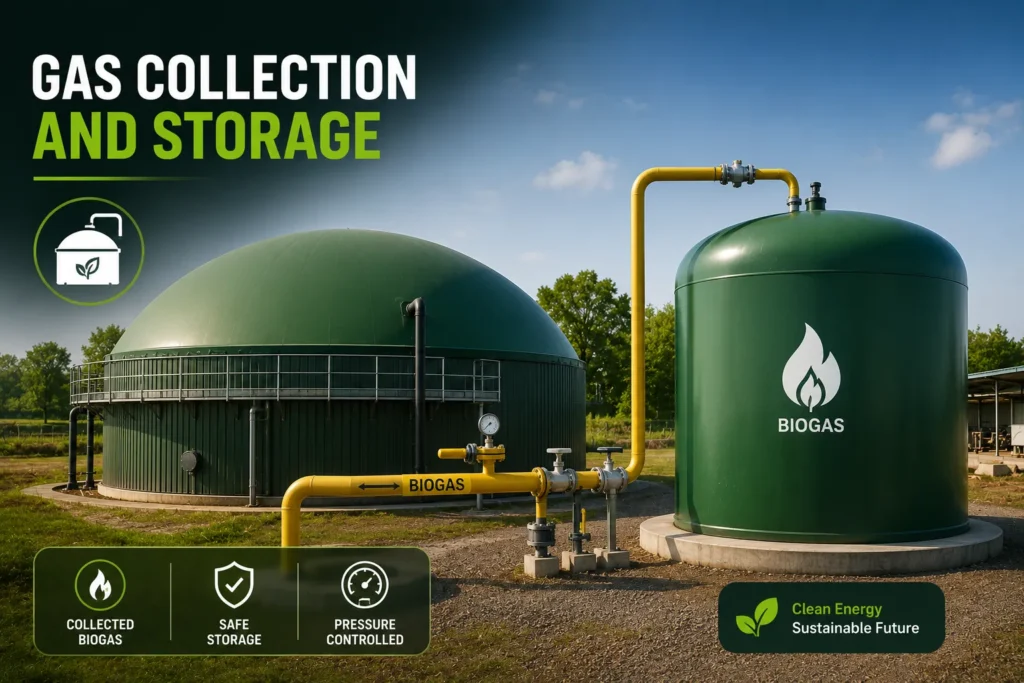
Gas Collection and Storage:


The plant collects the biogas through a gas pipe system. Next, it stores the gas safely in a gas holder. Farms can then use the gas for cooking, heating, or making electricity. In addition, they can clean the gas and turn it into CBG.

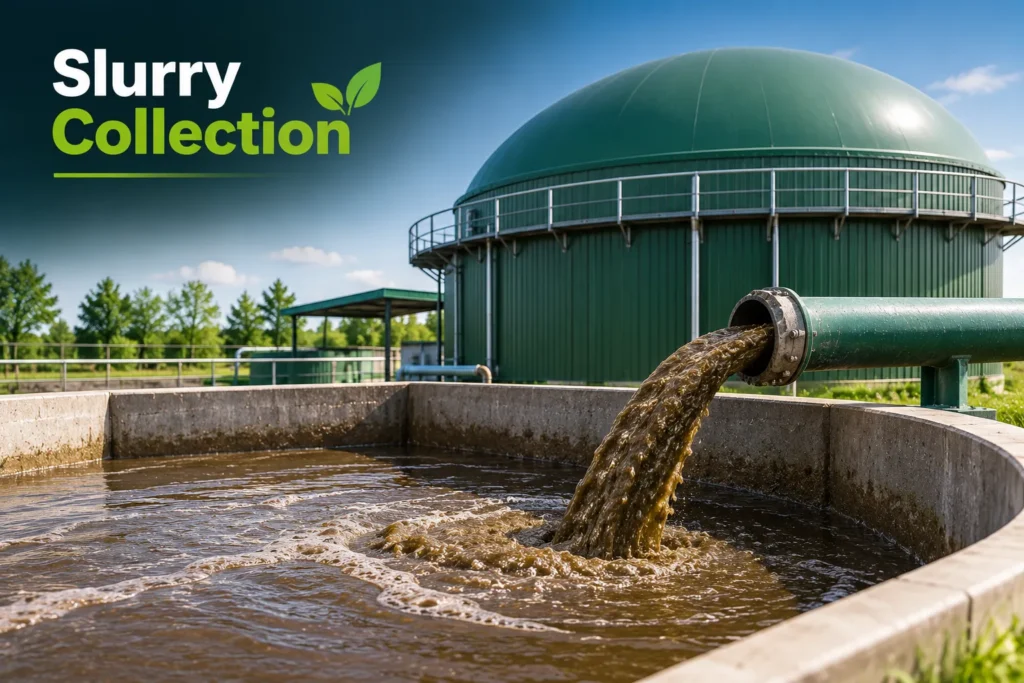
Bio-Slurry Collection:


After digestion, the remaining material comes out as bio-slurry. It contains organic matter and useful nutrients. Therefore, farms can use this slurry as an organic fertiliser. They can also process it further to make manure.

Slurry Collection
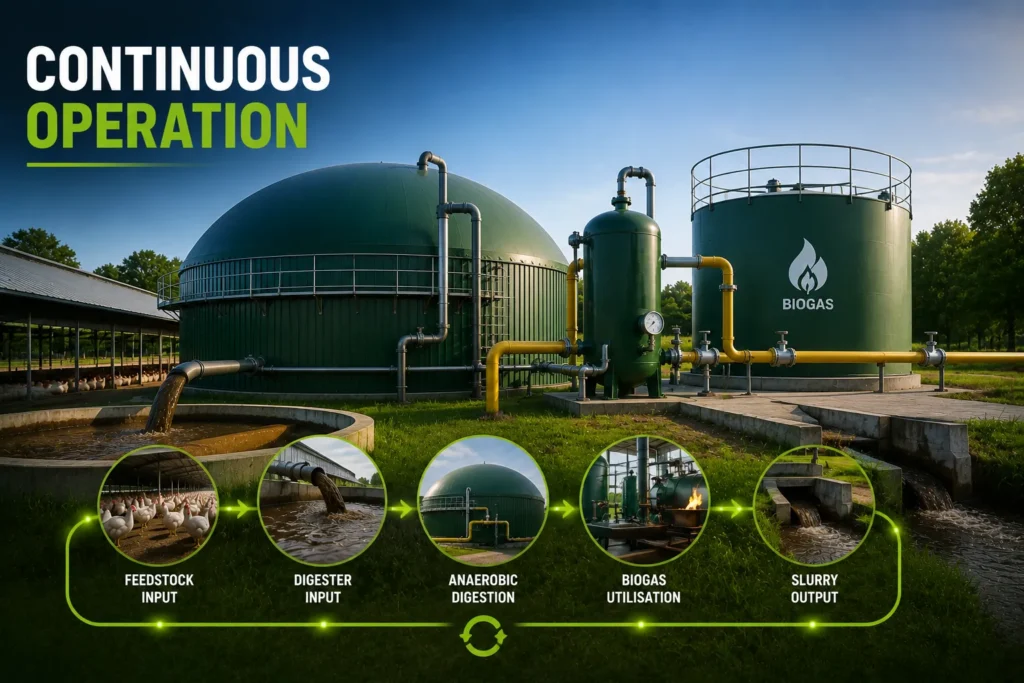
Continuous Operation

Regular Plant Operation:


A piggery biogas plant can run every day when workers feed fresh waste and remove used slurry on time. First, regular feeding keeps the process active. Next, timely slurry removal keeps the system working well. As a result, the plant can produce biogas steadily.

Industries We Serve

Commercial Pig Farms

Commercial pig farms produce pig manure and wastewater every day. Our piggery biogas plants turn this waste into biogas and bio-slurry. Therefore, farms can manage waste in a better way. In addition, they can reduce bad smells and lower energy costs. As a result, they can keep the farm cleaner.

Piggery Farms

Piggery farms of different sizes can use biogas to manage daily waste. First, we check the farm’s waste and energy needs. Then, we design the plant to match those needs. As a result, piggery owners can turn waste into useful energy and organic fertiliser.

Integrated Livestock Farms

Integrated farms may keep pigs and other animals. Therefore, they can produce many types of organic waste. Our biogas systems can process suitable waste together. In addition, this helps farms use waste better. As a result, they can produce clean energy from suitable organic waste.

Pig Breeding Farms

Pig breeding farms produce manure and liquid waste every day. A biogas plant can treat this waste and produce useful energy. It also produces bio-slurry that farms can use as organic fertiliser. Therefore, the system helps improve farm cleanliness and waste handling.

Pig Processing Units

Pig processing units may produce organic waste and wastewater. These wastes need proper handling. First, suitable organic waste can go through a biogas system. Then, the system can recover energy from the waste. As a result, the unit can reduce waste disposal needs and make better use of organic waste.

Frequently Ask Questions

Why should I choose Koshish for a piggery waste biogas plant?

Koshish provides customised piggery waste biogas plant solutions based on the farm’s waste and energy needs. First, we understand the farm’s waste generation and operating needs. Then, we design a suitable solution. In addition, we provide complete project support. This includes plant design, installation, commissioning, and technical help. Moreover, our solutions help farms manage manure, produce renewable biogas, and make useful bio-slurry. As a result, farms can improve waste management and support cleaner operations.

A piggery waste biogas plant turns pig manure and other suitable organic waste into renewable biogas and bio-slurry. First, the plant collects and prepares the waste. Next, it sends the waste into an airtight digester. Inside the digester, microorganisms break down the waste without oxygen. As a result, the plant produces biogas. At the same time, it produces nutrient-rich bio-slurry. Farms can use the biogas for cooking, heating, electricity, and other suitable energy needs.

A piggery biogas plant can process pig manure, pig urine, shed wash water, suitable feed residues, and other biodegradable organic waste. First, farms collect the waste. Then, workers check its quality and suitability. Next, they remove plastic, metal, stones, and other unwanted materials. After that, the suitable waste can enter the digester. Therefore, proper waste sorting helps prepare the feed for anaerobic digestion.

First, workers collect piggery waste and prepare it for digestion. Next, they remove unwanted materials from the waste. Then, they mix the suitable organic waste to make a feed slurry. After that, the slurry enters an airtight anaerobic digester. Inside the digester, microorganisms break down the waste without oxygen. As a result, the plant produces methane-rich biogas. Finally, the remaining digestate becomes bio-slurry, which can be used as organic fertiliser.

Yes. A piggery waste biogas plant produces renewable biogas from farm waste. First, farms can use the gas for cooking and heating. They can also use it for boiler operations or electricity generation. Moreover, biogas can replace part of the use of regular fuels. As a result, farms may reduce their operating costs. In addition, they can make useful energy from waste produced on the farm.

Bio-slurry is the nutrient-rich material left after anaerobic digestion. It contains organic matter and useful plant nutrients. First, the plant collects the slurry after digestion. Then, farms can use it as an organic fertiliser. In addition, they can use it as a soil amendment. Moreover, it can be further processed into manure. Therefore, bio-slurry can support agriculture, landscaping, and horticulture.

Commercial pig farms, pig breeding farms, integrated livestock farms, large piggery units, and suitable pig processing facilities can benefit from piggery waste biogas technology. First, we check the amount and type of waste produced. Next, we review the available space and energy needs. Then, we design the system to match these needs. As a result, businesses can manage waste better and use the produced biogas for suitable energy applications.

Yes. A piggery waste biogas plant provides a better way to manage biodegradable animal waste. First, it processes the waste inside an anaerobic digester. As a result, farms can avoid allowing untreated waste to build up. In addition, the system can help control bad smells and improve waste handling. Moreover, it recovers renewable energy from waste. At the same time, it produces useful organic bio-slurry. Therefore, it supports cleaner farm operations and better waste management.

Talk Our Experts Now

Scroll to Top