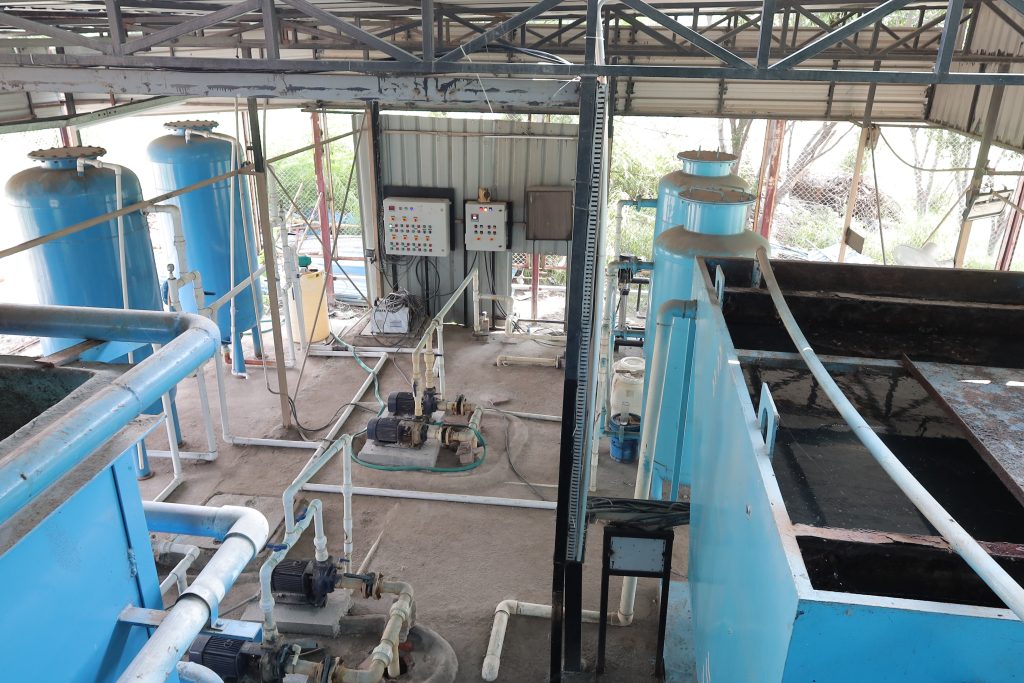
Water Treatment Plant (WTP)
Water Treatment Plant (WTP) Advanced Technology for Clean Water
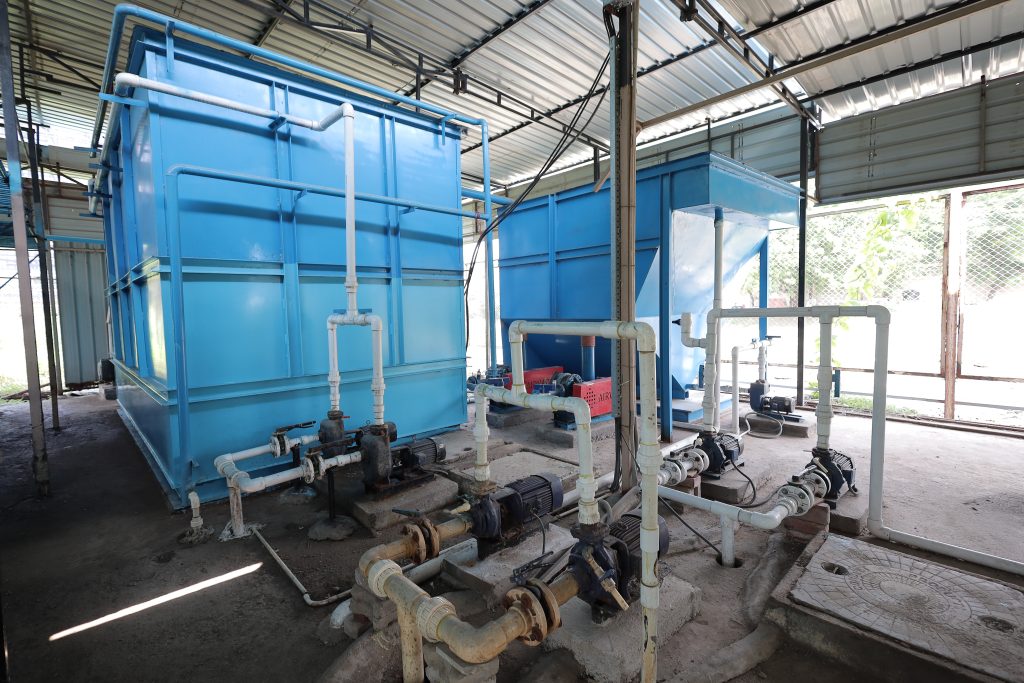
Our Water Treatment Plant purifies water from natural or industrial sources, making it safe for drinking, industrial, or commercial use.
About the Water Treatment Plant
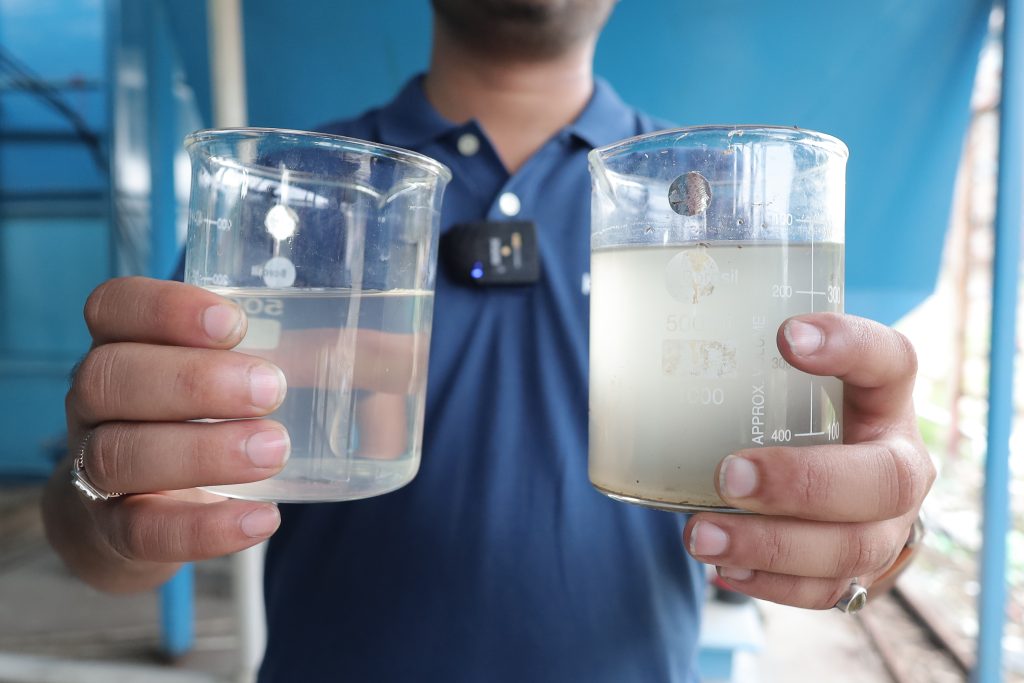
A Water Treatment Plant (WTP) cleans water from natural or industrial sources by removing sediments, chemicals, and harmful microorganisms.
It uses physical, chemical, and biological processes to provide safe, clean water for drinking or industrial use while protecting health and meeting regulations.
How Our Water Treatment Process Works?
Our Water Treatment Plant (WTP) follows a structured process: collecting raw water, removing suspended particles, treating chemical impurities, disinfecting microorganisms, and delivering clean and safe water suitable for drinking and commercial use.
Benefits of Using a Water Treatment Plant (WTP)
Clean, safe, and high-quality water for residential, commercial, or industrial use, helping communities and businesses operate smoothly while maintaining safety standards.
Safe & Clean Water
Removes sediments, bacteria, and chemical contaminants to ensure the water remains clean for consumption.
Health & Hygiene
Helps prevent waterborne diseases while enhancing public health, workplace safety, and hygiene standards.
Regulatory Compliance
Ensures compliance with local and national water quality standards while helping maintain regulatory standards.
Cost Savings
Reduces costs associated with waterborne illnesses, bottled water, or unregulated water treatment.
Sustainable Water Use
Supports efficient water use, reduces wastage, and promotes long-term water sustainability.
Reliable Supply
Ensures consistent availability of safe water for residential, commercial, or industrial needs.
Our Step-by-Step Process for WTP Solution
A complete and efficient water purification process designed to provide consistently clean, safe, and potable water suitable for drinking, household needs, and industrial applications.
01
Raw water is first passed through mechanical screens that remove large debris, sand, plastic, stones, and suspended solids to protect the downstream treatment equipment.
02
Carefully measured treatment chemicals are added to bind and clump fine suspended particles, helping them form heavier flocs that combine, grow in size, and settle down more easily in the next stage
03
The water then flows slowly into a sedimentation or settling tank, where the heavier flocs gradually sink to the bottom, allowing the upper layer of water to become clearer and visibly more purified.
04
Water is carefully passed through multiple filtration layers, including sand, gravel, and activated carbon, to remove fine particles, improve clarity, and eliminate unwanted color, odor, and organic impurities.

05
Safe and precisely controlled levels of chlorine or alternative disinfectants are added to remove any remaining bacteria, viruses, and pathogens, ensuring the treated water is fully safe for human use.
06
Once fully treated, the purified water is safely stored in clean, hygienic tanks and then distributed through a controlled supply network for drinking, household applications, or various industrial uses.
Talk Our WTP Experts
Get personalized guidance on designing, installing, and optimizing your residential solar system for maximum savings and efficiency.
Frequently Ask Questions
Why is a WTP important?
It ensures clean and safe water, reduces health risks, and helps meet water quality regulations.
Can treated water from a WTP be used for all purposes?
Yes, treated water is safe for drinking, cooking, cleaning, and industrial processes, depending on the system design.
How does the WTP process work?
Water goes through screening, coagulation, sedimentation, filtration, and disinfection before being stored and distributed.
What are the main benefits of installing a WTP?
Benefits include safe water, health protection, cost savings, regulatory compliance, sustainable water use, and reliable supply.
Any Question?
You can ask anything you want to know Feedback