Effluent Treatment Plant (ETP)

Effluent Treatment Plant (ETP) Sustainable Wastewater Solution

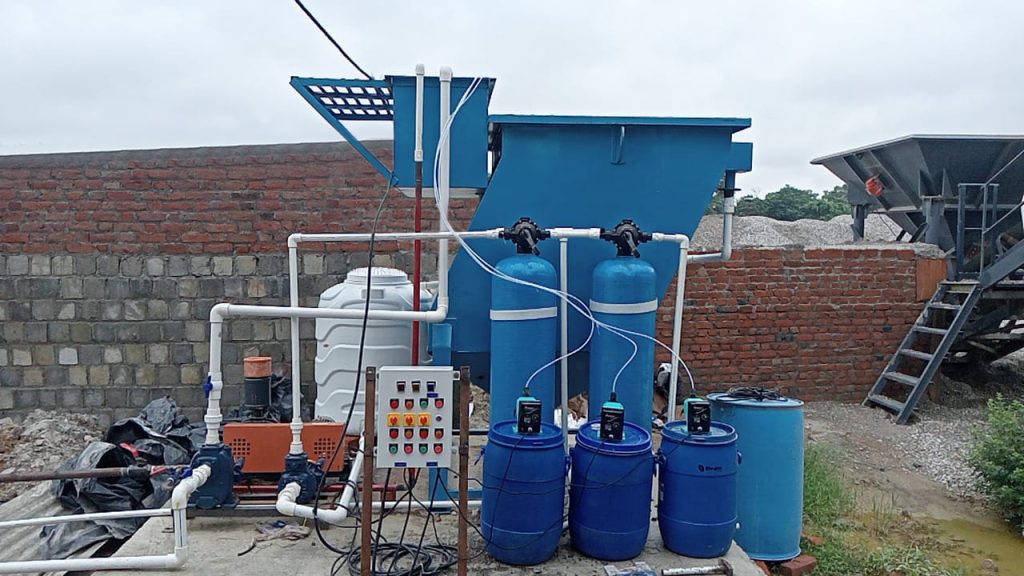
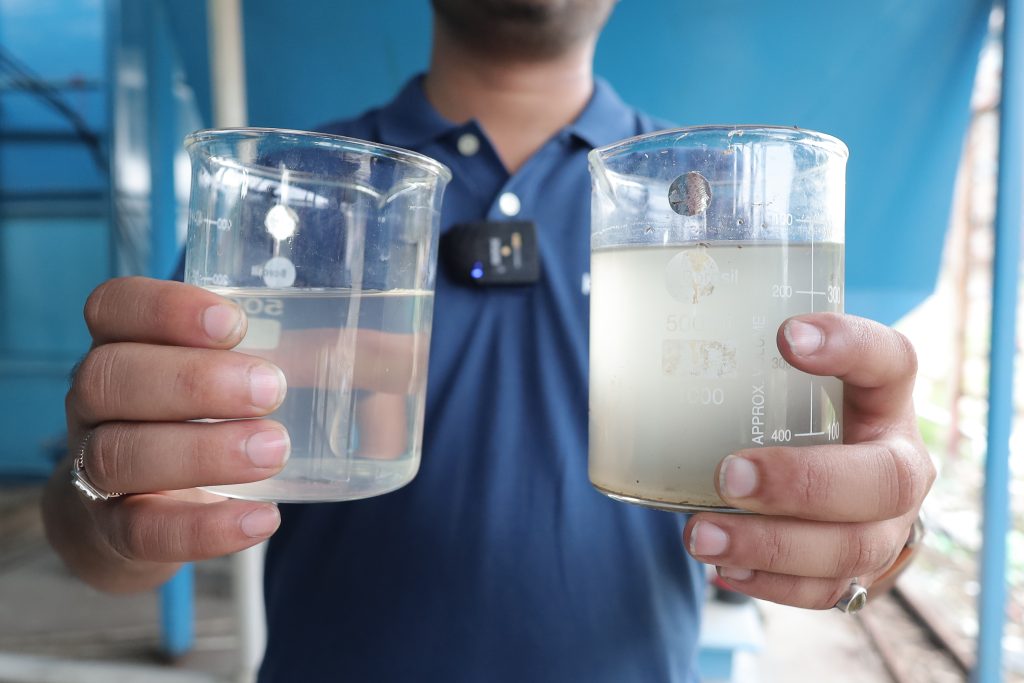
The Effluent Treatment Plant treats industrial wastewater with advanced technology that removes harmful contaminants, recycles water, and ensures environmental compliance.

About Effluent Treatment Plant (ETP)

An Effluent Water Treatment Plant removes harmful chemicals, oils, and solids from industrial wastewater before it is released or reused. It uses physical, chemical, and biological processes to purify water efficiently. ETPs help industries reduce pollution, save water, and meet environmental regulations. 

Sewage Treatment Plant
Koshish Solar Solutions
Zero Liquid Discharge (ZLD)

How Our ETP Treats Industrial Wastewater?

Our Effluent Treatment Plant (ETP) works through multiple stages, like collecting wastewater, removing solid contaminants, treating chemical and biological pollutants, and filtering water that is safe for discharge or industrial reuse.

Benefits of an Effluent Treatment Plant (ETP)

Recycle and reuse wastewater efficiently, reducing environmental pollution while significantly lowering long-term operational and treatment costs.

Polution Control

Pollution Control

Effectively removes harmful chemicals, solids, and oils from industrial wastewater, preventing environmental contamination.

Water Reuse__Recycle

Water Recycling

Treated water can be reused in processes like cooling, cleaning, or gardening, reducing the need for fresh water.

Regulatory Compliance

Regulatory Compliance

Helps industries meet environmental regulations and avoid penalties from pollution control authorities.

Cost Savings__lowest-price

Cost Savings

Reusing treated water reduces freshwater consumption and lowers water procurement and discharge costs.

Health & Safety

Health & Safety

Proper treatment of industrial wastewater minimizes exposure to hazardous substances, ensuring a safer workplace and surrounding environment.

Sustainable Operations

Sustainable Operations

ETPs support eco-friendly and responsible industrial practices, promoting long-term sustainability and corporate social responsibility.

Our Step by Step Process for ETP Solution

KOSHISH is an initiative by a team of young professionals from the Indian Institute of Technology.

Effluent Treatment Plant

01

Industrial wastewater is initially passed through bar screens to remove large solids and debris, followed by an oil and grease trap that separates and removes floating oils, ensuring cleaner water for further treatment.

02

The effluent is collected and mixed in the Equalization Tank using air blowers or an agitator to prevent sludge from settling, ensuring uniform water quality for further treatment.

03

Selective chemicals are added to make suspended particles clump together and settle, removing unwanted solids from the water. This process is called coagulation and flocculation

04

The water enters a tube settler, where suspended solids gradually settle through the inclined tubes, effectively clarifying the water and improving its quality for subsequent treatment processes.

ater Treatment Plant
Effluent Treatment Plant (ETP)

05

The clean water is stored in a filter feed tank for the filtration process which will remove unwanted solid particles present in the form of sludge, and these filters also remove colour and odour from water.

06

Finally, the treated water is stored for reuse in gardening, flushing, or other non-drinking purposes, saving water and reducing waste.

Talk Our ETP Experts

Get personalized guidance on designing, installing, and optimizing your residential solar system for maximum savings and efficiency.

Frequently Ask Questions

Why is an ETP important for industries?

ETPs help industries reduce pollution, save water, ensure regulatory compliance, and promote sustainable operations.

Yes, treated water can be reused for non-drinking purposes like cooling, cleaning, irrigation, or landscaping, reducing the need for fresh water.

Wastewater goes through bar screens, oil & grease removal, chemical treatment, equalization, biological treatment in MBBR tanks, and filtration through sand and carbon filters before storage for reuse.

Key benefits include pollution control, water conservation, cost savings, regulatory compliance, improved health & safety, and sustainable industrial practices.

Koshish Sustainable Solution

Any Question?

You can ask anything you want to know Feedback

Scroll to Top