Sewage Treatment Plant (STP)
Advanced Sewage Treatment Plant (STP): Solutions for Sustainable Water Management
Our sewage treatment systems help you save water, reduce pollution, and meet all environmental standards.
About STP
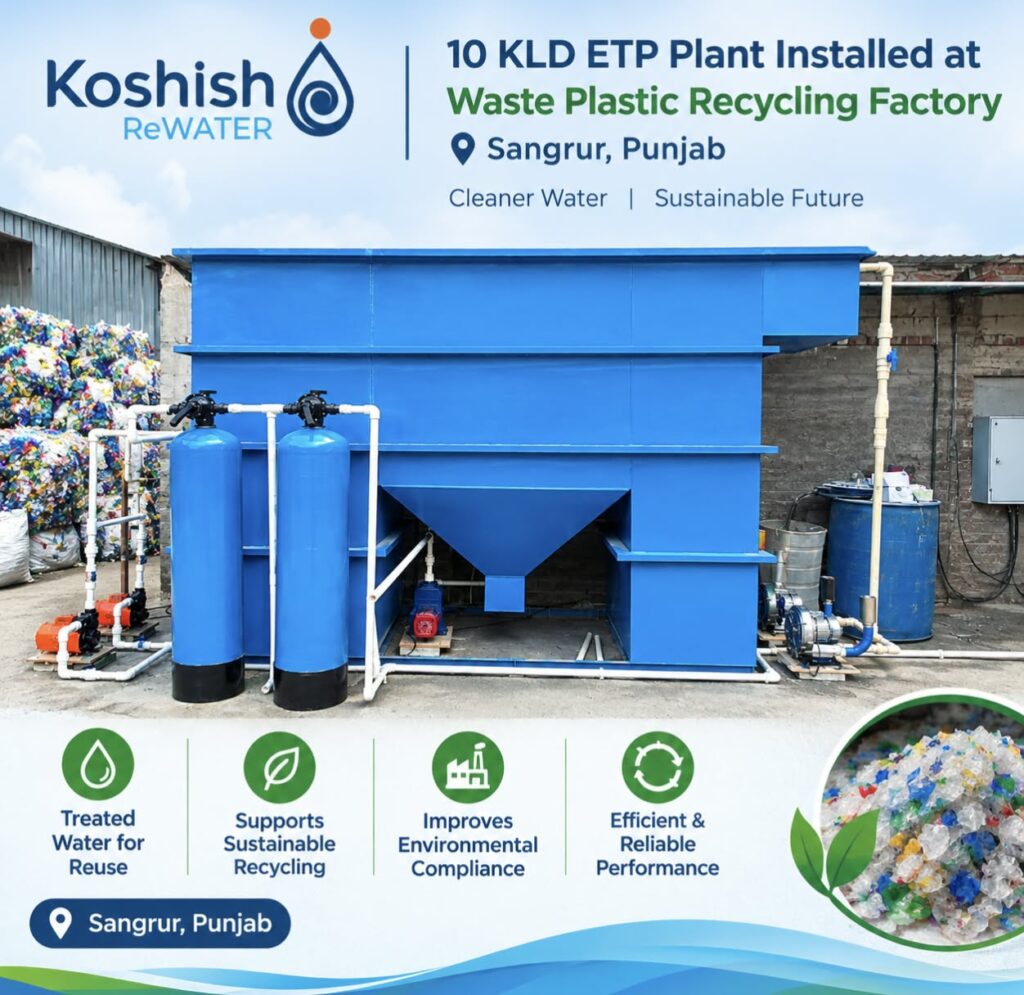
A Sewage Water Treatment Plant (STP) removes harmful contaminants from domestic and commercial wastewater, making it safe for reuse or discharge. It uses physical, biological, and chemical processes to filter sewage effectively.
How Does Our STP Work
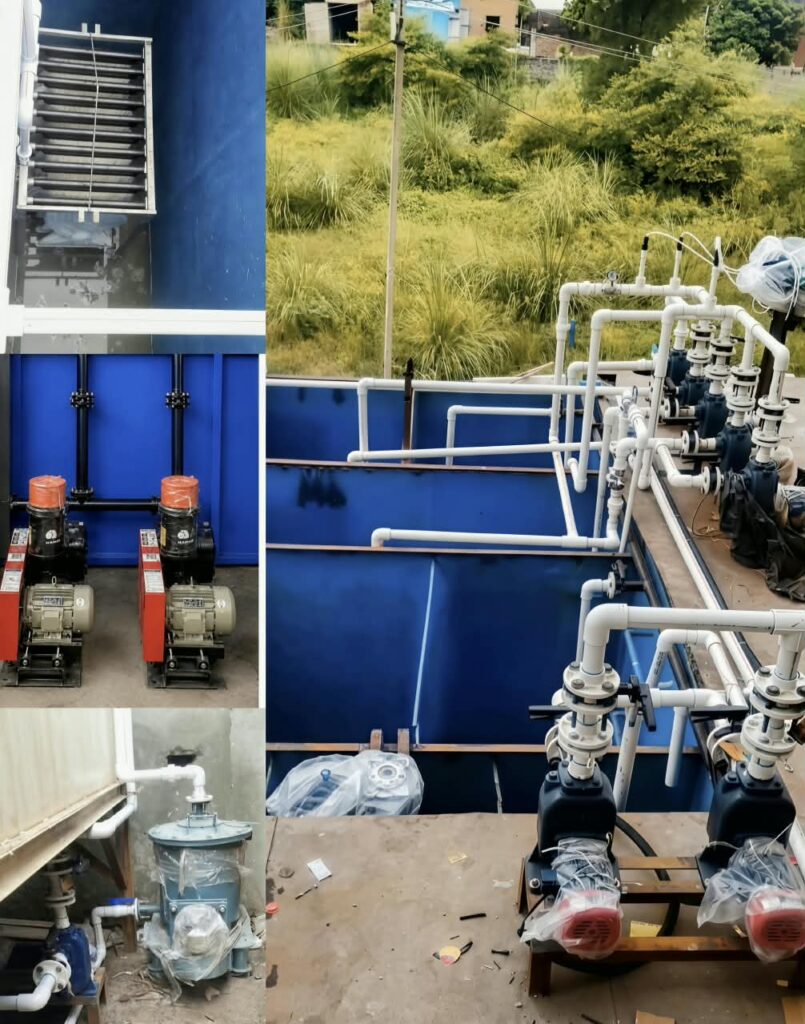
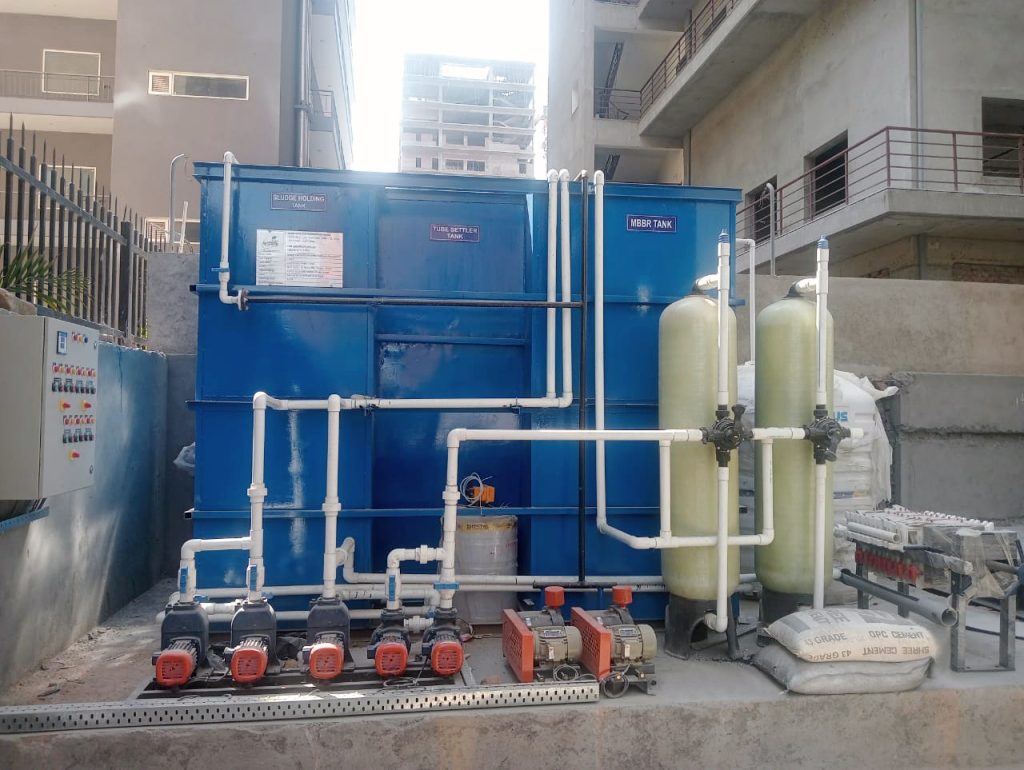
Our Sewage Treatment Plant (STP) works in multiple stages: collecting wastewater, removing solids, treating it biologically and chemically, and producing clean, reusable water safe for discharge or reuse.
Benefits of Sewage Treatment Plant (STP)
Recycles wastewater for reuse in flushing, gardening, or industrial use.
Regulatory Compliance
Ensure your premises meet pollution control norms and avoid penalties with efficient wastewater treatment.
Cost Savings
Reduce water bills and sewage disposal costs by reusing treated water for non-potable applications.
Control Foul
Proper treatment minimizes foul smells and prevents the spread of waterborne diseases.
Sustainable Waste Management
By recycling wastewater, STPs support sustainable development and reduce environmental impact.
Environmental Protection
STPs prevent harmful pollutants from entering rivers and soil, keeping the ecosystem clean and healthy.
Water Reuse and Conservation
Treated water can be reused for gardening, flushing, and industrial processes, helping save fresh water.
Our Step by Step Process for STP Solution
A complete wastewater treatment process designed to purify, recycle, and make water safe for reuse.
01
Wastewater passes through bar screens to remove large solids and an oil and grease trap to eliminate floating oils.
02
Air from the blower is added to the equalization tank to homogenize the mixture of sewage so that the sludge should not settle at the bottom.
03
After that, the wastewater is transferred to MBBR tanks to complete the wastewater treatment process by adding suitable bacterial culture according to the BOD load present in our wastewater.
04
The tube settler tank helps solids settle quickly through inclined tubes, which makes the water clearer.
05
The clean water is stored in a filter feed tank for the filtration process, which will remove unwanted solid particles present in the form of sludge, and these filters also remove colour and odour from the water
06
The last step in this process is disinfection, which is done the adding chlorine in the final treated water
07
After the disinfection process, the treated water is ready for use according to need like gardening, flushing, etc.

Talk Our STP Experts
Get personalized guidance on designing, installing, and optimizing your residential solar system for maximum savings and efficiency.
Frequently Ask Questions
Why is installing a Sewage Water Treatment Plant important?
Installing a Sewage Water Treatment helps save water, reduce pollution, and comply with environmental regulations set by pollution control boards.
Can treated sewage water be reused?
Yes, treated water can be safely reused for gardening, flushing, cooling towers, or other non-drinking purposes. It also saves freshwater.
How often should an STP be maintained?
Regular maintenance, like cleaning screens, checking pumps, and testing water quality, should be done every few months for smooth operation.
Why Choose Koshish Rewater for Sustainable Solutions?
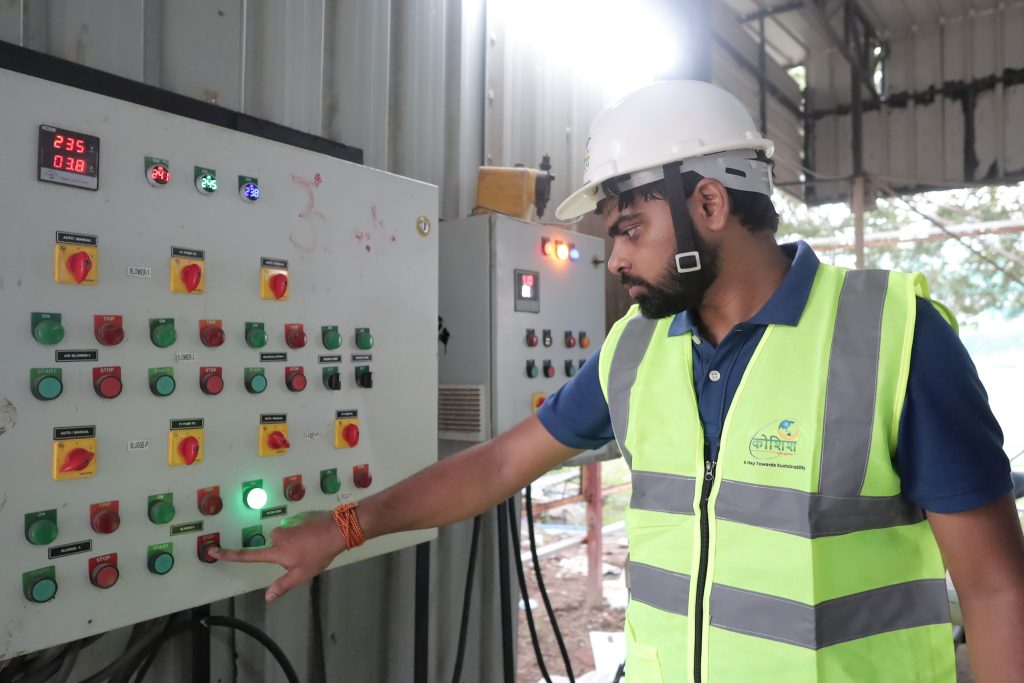
We use advanced technology, high-quality equipment, and expert support to ensure efficient treatment and long-term sustainability.
Any Question?
You can ask anything you want to know Feedback