
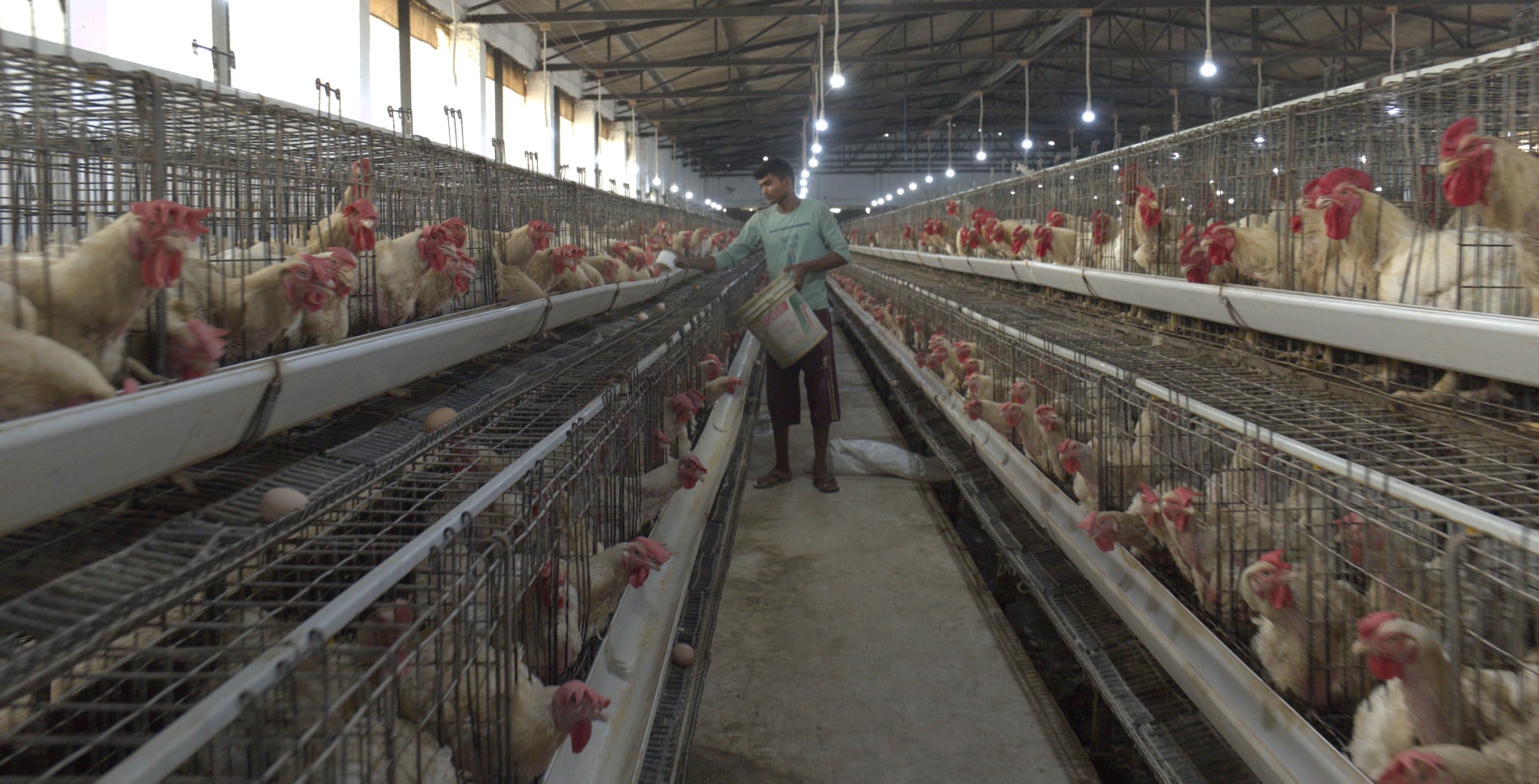
The increase in chicken farming has produced a lot more chicken litter. It is usually spread on land as fertilizer, fed to animals, or left in the environment. Fresh litter can release nitrous oxide, a strong greenhouse gas, and spread harmful pathogens.
Improper disposal of chicken litter harms the environment and communities. This problem can be solved by turning poultry litter into biofuel using the biomethanation process. A practical solution is converting poultry litter into poultry litter biogas and renewable energy from poultry manure using the biomethanation process.
What is a Green Poultry Farm?
A Green Poultry Farm is a system that turns poultry litter into biogas and biofertilizer using anaerobic digestion. The biogas produced can generate electricity and heat for the farm, providing renewable energy from poultry manure, while the nutrient-rich biofertilizer supports feed production and crop growth.
This approach can reduce poultry production costs by 30% and crop production costs by 22%, reducing reliance on grid electricity and imported fertilizers. It also supports a circular economy, reduces carbon emissions, and creates jobs.
Biomethanation Process
The biomethanation process is a natural way which bacteria break down organic waste like animal manure, food waste, or crop residues without oxygen.
This generates poultry litter biogas, primarily composed of methane and carbon dioxide, which can be used as renewable energy from poultry manure for electricity and heating.
The leftover solid material, called slurry, is rich in nutrients and can be used as organic fertilizer. In simple terms, it’s bacteria turning waste into clean energy and useful fertilizer.
Economic Viability
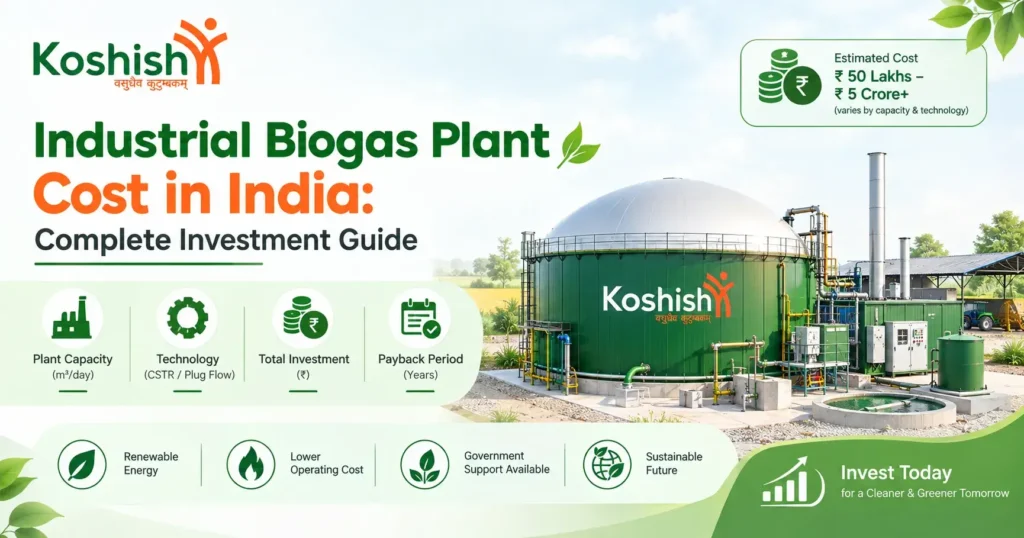
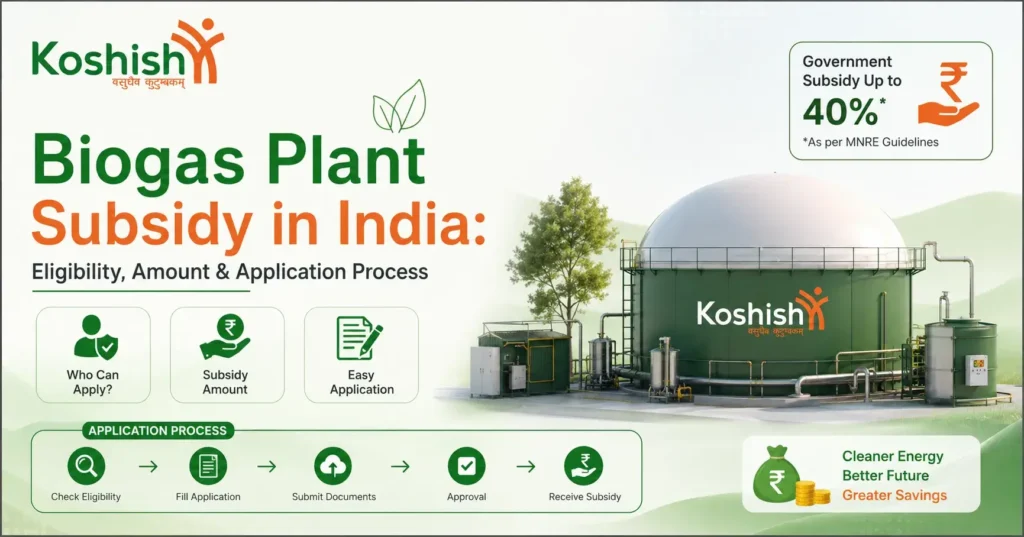
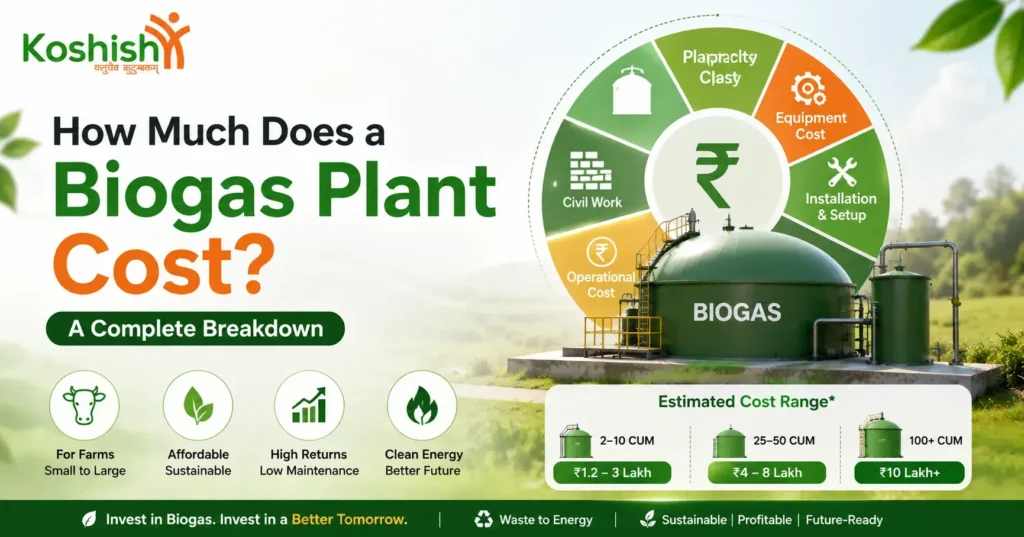
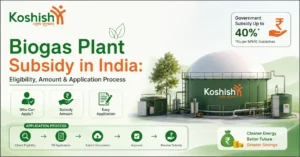
Setting up a biogas plant can be expensive, but the Government of India offers subsidies from ₹25,000 to ₹5 crore to support sustainability. The payback period is usually 3–4 years.
Beyond providing energy and biofertilizer, poultry litter biogas plants reduce greenhouse gas emissions, combat global warming, and offer opportunities to earn carbon credits annually, making them an eco-friendly and profitable investment.
Reduction of Energy Cost
Poultry farms can produce poultry litter biogas to power generators and reduce electricity bills. The same gas can be used for heating, further lowering operational costs.
Bio-Fertilizers
Poultry farm digesters are rich in organic nutrients such as N. P, and K and will be in dry form, which can be packaged and sold as biofertilizers. The revenue generated by the sale of biofertilizers can be on par with the general sale of poultry meat and eggs.
The biofertilizers can be further processed into Phosphate Rich Organic Manure (PROM), as an alternative to DAP and slurry can also be used as a raw material in the manufacturing of biomass pellets (green coal) and green coal can be used in power plants for co-firing.
Biogas as CBG
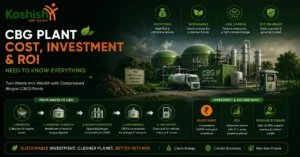
If a poultry farm produces a large amount of biogas, it can be purified into Compressed Biogas (CBG), which is similar to CNG. This CBG can be used to fuel vehicles or stored in cylinders and sold to restaurants and industries.
A poultry farm with about 50,000 birds can get the following benefits. |
|
| Annual Power Generation | 550 kWh |
| Central Financial Subsidy | 24 Lakhs (approx.) |
| Carbon Credit Claim (Annually) | 3 Lakhs |
| Bio Slurry obtained (Annually) | 26000 kg/yr. |
| Revenue Generated from Manure Sales (Cost @ Rs.1/ kg) | INR 26000/ yr. |
| Value-added products from BioManure | |
| PROM | INR 10/kg. (Approx.) |
Thus, poultry litter management can be efficiently handled which can help the farm owners benefit economically and fall in line with the different laws imposed by the pollution control board.
Poultry Waste Management: Converting Challenges into Opportunities
Before finding solutions to manage poultry waste, it’s important to understand the main types of waste that cause pollution:
Poultry Litter: The main waste from poultry farms. A healthy bird produces about 1 kg of litter during a 47-day growing period, and sometimes even more in a 42-day cycle.
Feather Waste: Feathers are another major waste, with the global poultry industry generating millions of tonnes every year.
Abattoir Waste: This includes slaughter by-products like blood, offal, organs, feet, head, and bones. If not managed properly, they can spread bacteria and cause health risks.
4 Smart Ways to Reuse Poultry Litter
Poultry litter is a mix of manure and bedding materials like straw, sawdust, rice bran, and paper. It’s rich in nutrients such as nitrogen, phosphorus, and potassium, making it a best natural fertilizer that improves soil health and water retention.
Here are four effective ways to reuse poultry litter:
Biogas Production:
Poultry litter is processed in an anaerobic digester (a sealed, oxygen-free tank) where microorganisms break down organic matter to produce biogas a renewable energy source made mainly of methane and carbon dioxide.
Green Energy Generation:
The litter can be burned in special incinerators to generate electricity, turning waste into clean energy.
Organic Fertilizer:
Its high nutrient content makes poultry litter ideal for use as biofertilizer to enrich soil naturally and support sustainable farming.
Research and Education:
Poultry litter can also be used for research and studies on nutrient cycles, waste management, and environmental impact.
Final Thought
Poultry litter biogas production through a well-designed biomethanation plant offers an efficient and eco-friendly solution for poultry waste management. By converting poultry manure into renewable energy from poultry manure, farms can generate electricity, heat, and even Compressed Biogas (CBG), reducing reliance on conventional fuels.
Additionally, the nutrient-rich biofertilizers produced add economic value and promote sustainable agriculture. Investing in a commercial biogas plant not only ensures compliance with environmental regulations but also transforms poultry waste challenges into profitable and environmentally responsible opportunities.