

Biogas Plant for Dairy Farm
Smart Dairy Waste Management Starts with Koshish
Daily Cow Dung Efficiently with Our Advanced Biogas Technology that Helps Reduce Operating Costs, Minimise Environmental Impact, and Improve Resource Utilisation on Your Dairy Farm.
How a Dairy Biogas Plant Helps in Waste Management
A dairy biogas plant helps manage cow dung and dairy waste. It turns waste into clean energy and natural fertiliser. It also helps reduce bad smells and pollution. Therefore, it keeps the dairy farm cleaner and safer.
How Does a Dairy Biogas Plant Work?
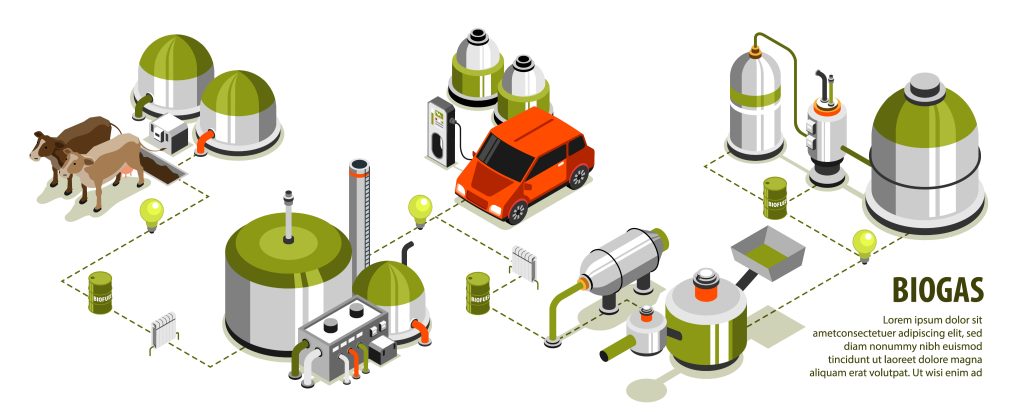
First, workers collect cow dung. Then, they mix it with water in a 1:1 ratio. Next, they put the mix into a closed digester. Inside the digester, tiny microorganisms break down the waste. They work without oxygen. This process takes about 45 days. During this time, the plant produces methane-rich biogas.
The biogas can provide clean energy. The process also leaves behind bio-slurry. Farmers can use this bio-slurry as natural fertiliser. So, the plant helps manage waste and produce useful dairy products.
Feedstocks Used in Dairy Biogas Plants
The right waste helps a dairy biogas plant produce biogas well. Dairy farms can use many types of organic waste. Here are the main ones.
Cow Dung
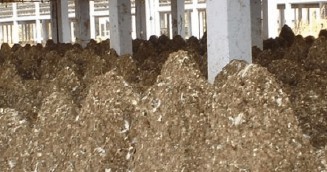
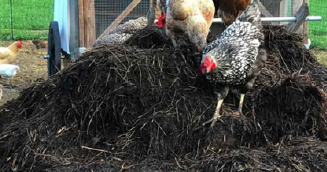
Cow dung is the main feedstock for many dairy biogas plants, which convert cow dung into biogas. It contains tiny microorganisms. These microorganisms help break down the waste.
Bedding Material
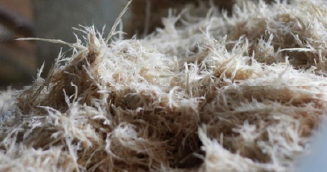
Dairy farms may use straw, dry grass, or sawdust as bedding. These materials are organic. So, farmers can mix them with cow dung. This can support the digestion process and help biogas production.
Spoiled Silage
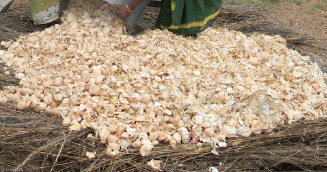
Sometimes, Silage (Chara) gets spoiled. Cows cannot eat it safely at that point. Instead of throwing it away, farmers can use it in a commercial biogas plant. This helps turn waste into methane gas.
Dairy Wash Water
Dairy farms use water to clean sheds and equipment. This water may contain cow dung, urine, and other organic waste. Therefore, farms can treat this waste in a biogas plant.
Spoiled Milk & Dairy By-products
Dairy farms may have spoiled milk and other dairy waste. They may also produce whey. These materials contain organic matter. Therefore, farmers can add small amounts to the biogas plant.
Cow Urine
Cow urine can be mixed with cow dung. It helps maintain moisture inside the digester. It also contains nutrients. These nutrients can support the microorganisms inside the digester.
Applications of Dairy Biogas Plants
Cooking Fuel
Dairy biogas can be used for cooking. It can replace some LPG use. Therefore, families and farms may need fewer gas cylinders. As a result, they can save money on cooking fuel.
Electricity Generation
Biogas can run a generator. The generator can produce electricity for the farm. For example, farms can use this power for lights, fans, water pumps, and milk chillers. Therefore, dairy farms can reduce their use of grid power.
Organic Fertiliser Production
The biogas process produces bio-slurry. This slurry is rich in useful nutrients. Farmers can use it as organic fertiliser. It can help improve soil health. It can also support crop growth. Moreover, it can reduce the need for chemical fertilisers.
Carbon Emission Reduction
A dairy biogas plant helps manage cow dung. This can reduce methane released from improper dairy waste management. It can also reduce the use of fossil fuels. Therefore, the plant can help lower greenhouse gas emissions. It also supports cleaner farming.
Milk Processing
Dairy farms need heat for many tasks. For example, they may need heat for milk pasteurisation and sterilisation. Biogas can provide this heat. As a result, dairy units can reduce their use of regular fuels.
Water Heating
Dairy farms need hot water for cleaning. They use it to clean milking equipment and other tools.
Biogas can power a boiler or water heater. Therefore, farms can get hot water while using less regular fuel.
Why Do Dairy Farms Need a Biogas Plant?
A dairy biogas plant can help farms in many ways. Improper dairy waste management becomes essential. It manages waste and produces energy. Therefore, it can be a useful solution for dairy farms.
Improved Farm Profitability
A biogas plant can help reduce energy costs. It can also lower waste disposal costs. In addition, farmers can use the bio-slurry as fertiliser. As a result, the farm can save money and improve its income over time.
Lower Energy Costs
Biogas can replace some LPG and diesel use. It can also replace some grid electricity. As a result, dairy farms can lower their daily energy costs. Over time, this can help them save money.
Odour and Pollution Control
Poor waste management can cause bad smells. It can also attract flies and create pollution.
A biogas plant treats the waste in a closed system. Therefore, it can help control bad smells and improve farm cleanliness.
Efficient Dairy Waste Management
Dairy farms produce cow dung every day. They may also produce other organic waste. A biogas plant turns this dairy waste into useful energy. Therefore, waste does not build up as easily. It also makes waste handling simpler.
Production of Organic Biofertiliser
The plant produces nutrient-rich bio-slurry. Farmers can use it as organic fertiliser. It can help improve soil health. It can also support better crop growth. In addition, farmers can use or sell the fertiliser.
Sustainable and Eco-Friendly Farming
A biogas plant turns waste into useful energy. It also helps reduce methane from unmanaged waste. Therefore, it supports cleaner farming. It also helps farms use waste in a better way.
Benefits of Installing a Dairy Biogas Plant
Environmental Benefits
A biogas plant helps manage cow dung and organic waste. It can also reduce bad smells and methane from unmanaged waste. In addition, it can help reduce soil and water pollution. Therefore, it supports a cleaner farm environment.

Operational Benefits
The plant makes waste handling easier. It also helps keep the farm cleaner. At the same time, it provides a source of renewable energy. Therefore, farms can manage their daily work more easily.

Economic Benefits
Biogas can help reduce fuel and electricity costs. It can also lower waste disposal costs. The plant also produces organic fertiliser. Therefore, farms can save money and make better use of their waste.
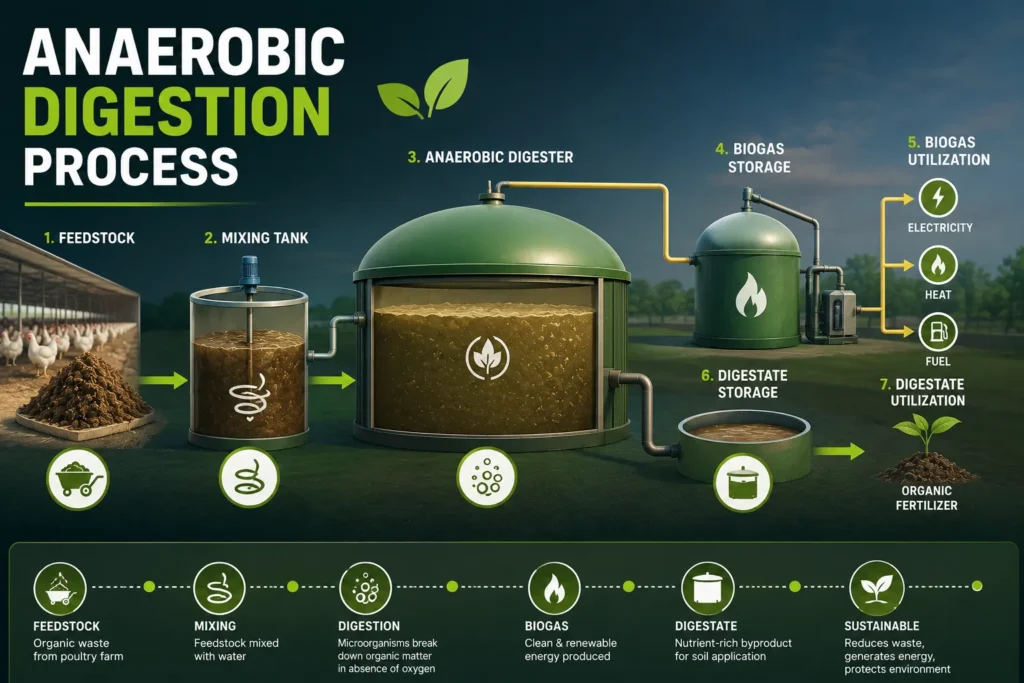
How Does a Dairy Waste Biogas Plant Work?
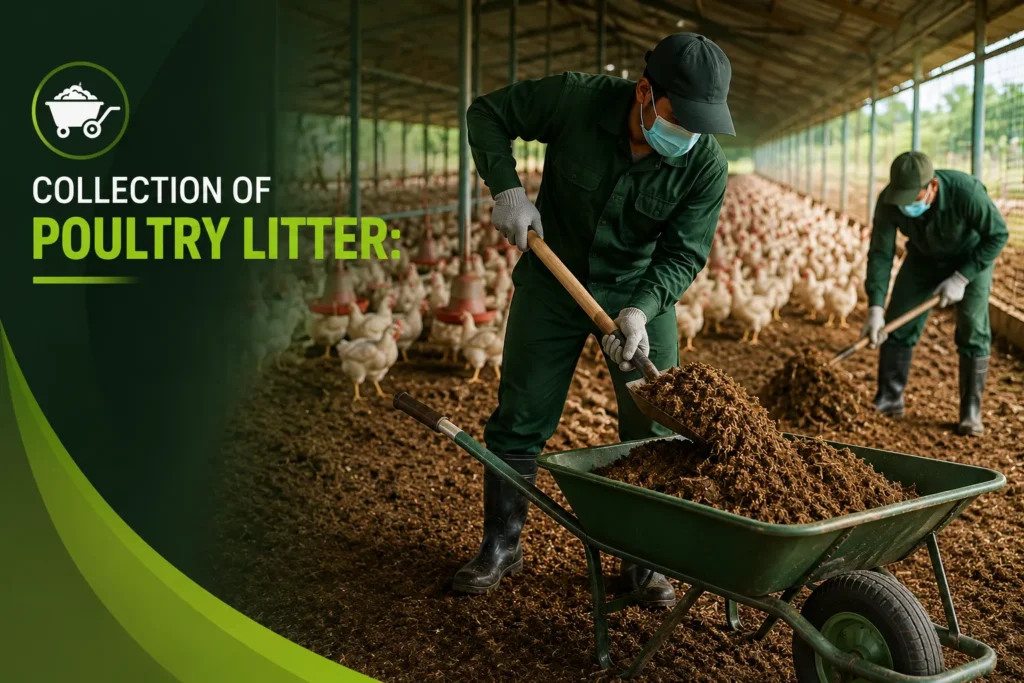
The whole procedure of a poultry biogas plant is as follows:
Collection of Dairy Waste :
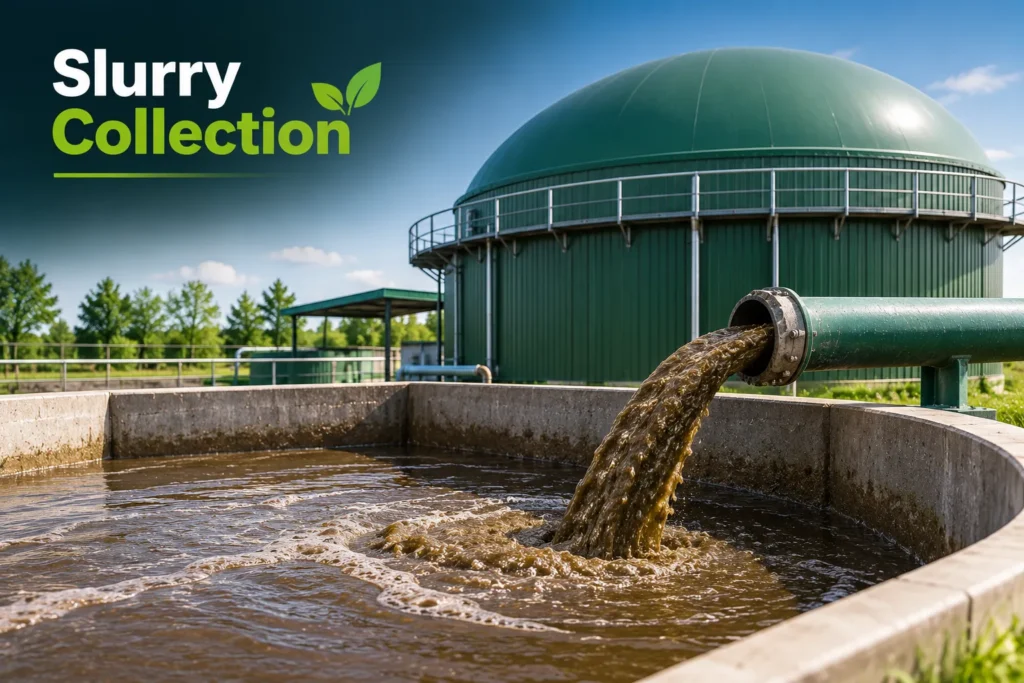
Dairy farm waste is collected every day from dairy farms & milk processing units. This waste may include biodegradable dairy materials such as cow dung, expired milk, milk products, sheds, etc. Regular collection ensures proper waste segregation, reduces foul odours, prevents pest infestation, and provides a consistent supply of feedstock for the biogas plant.
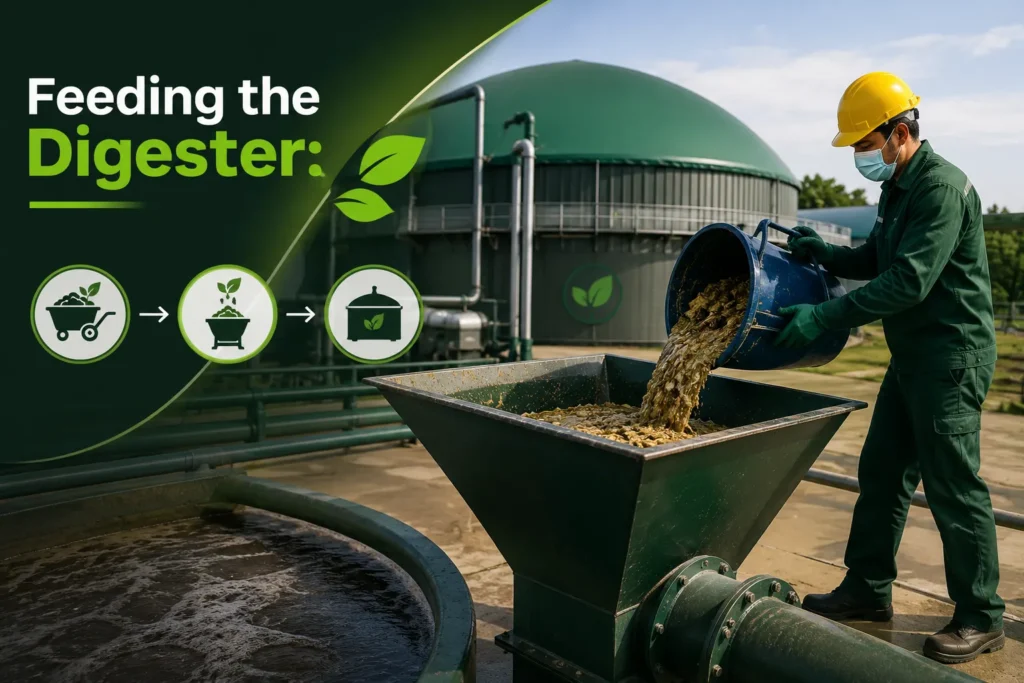
Feeding the Digester:
The prepared organic slurry is periodically fed into an airtight anaerobic digester using a controlled feeding system. Inside the digester, the waste is evenly distributed to maintain stable operating conditions. Proper feeding helps maintain the ideal temperature, moisture level, and nutrient balance required by microorganisms. A consistent supply of feedstock ensures uninterrupted biogas production and improves the overall performance and efficiency of the plant.
Anaerobic Digestion Process:
Inside the anaerobic digester, naturally occurring microorganisms break down the organic matter in the absence of oxygen through different biological stages. During this process, dairy waste is broken down, ultimately producing methane biogas and digestate. Depending on the type of dairy waste and operating conditions, the digestion process usually takes several weeks, ensuring maximum gas generation and effective waste treatment.
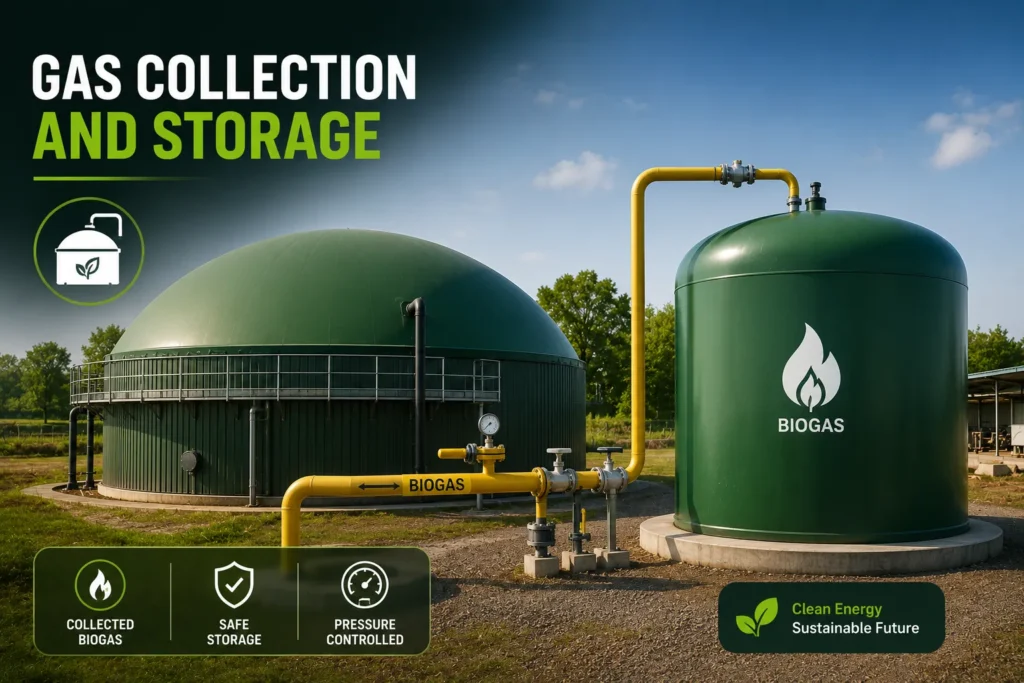
Gas Collection and Storage:
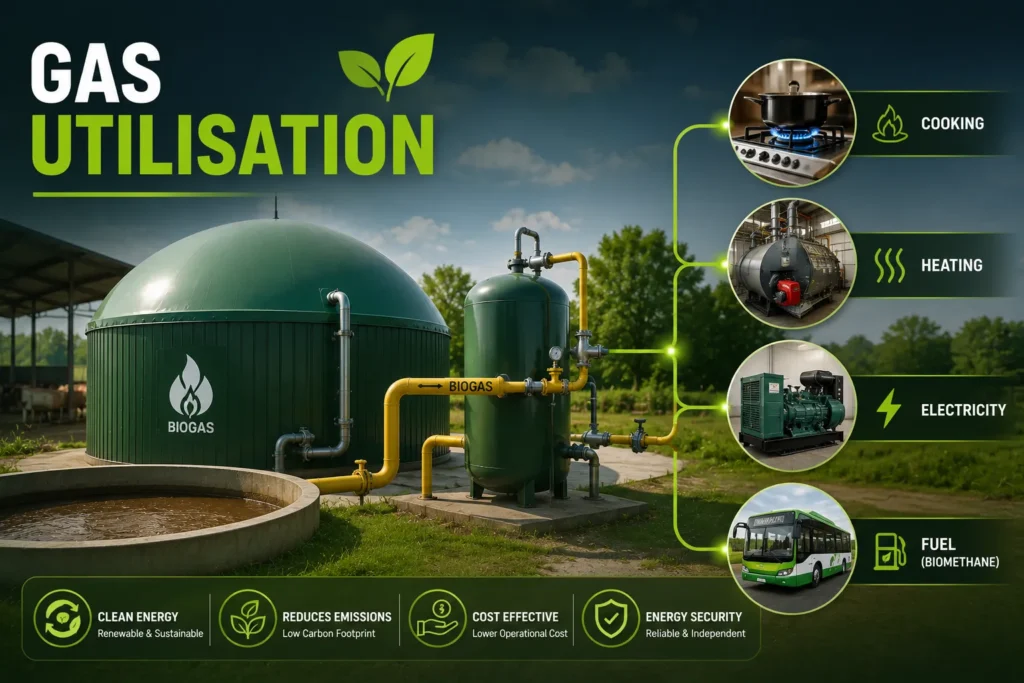
The methane-rich biogas produced during anaerobic digestion is collected through a gas collection system and stored safely in a gas holder. Depending on the application, the biogas can be purified to remove impurities such as carbon dioxide and hydrogen sulphide. The purified gas can then be used for cooking, electricity generation, steam production, industrial heating, or upgraded into Bio-CNG for use as a clean and renewable transportation fuel.
Gas Utilisation:
After the digestion process is complete, the remaining material, known as bio-slurry or digestate, is removed from the digester. This nutrient-rich by-product contains valuable organic nutrients such as nitrogen, phosphorus, and potassium that improve soil fertility. Bio-slurry can be applied directly as an organic fertiliser or further processed into dried manure for agricultural use, reducing dependence on chemical fertilisers while promoting sustainable farming practices.
Continuous Operation:
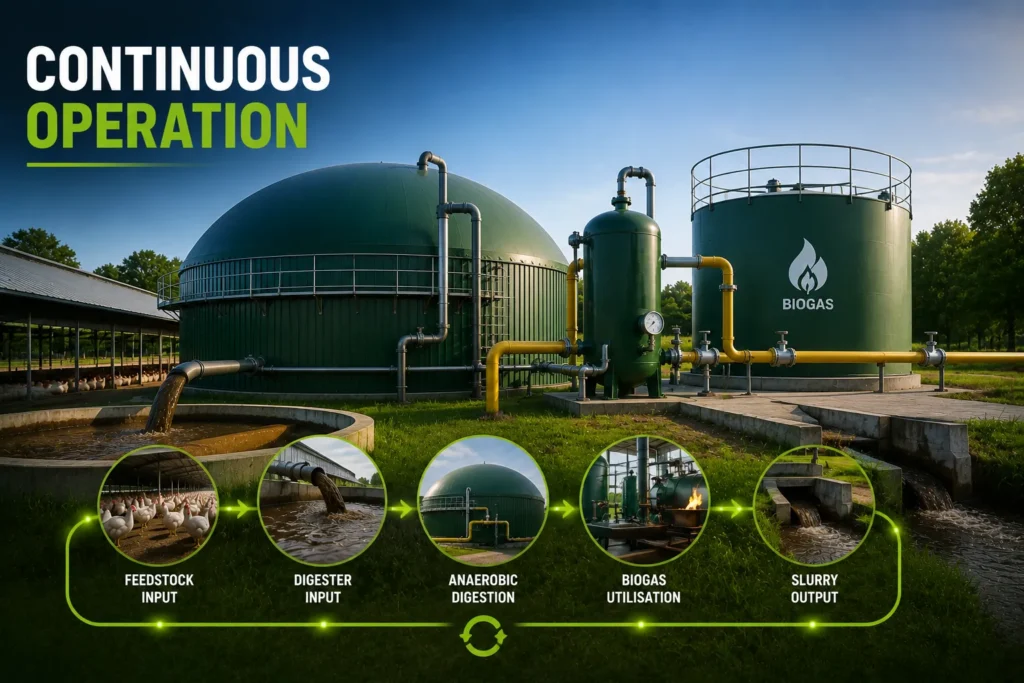
A dairy farm waste biogas plant is designed to operate continuously with regular feeding and systematic removal of bio-slurry. As fresh organic waste enters the digester each day, an equal amount of digested slurry is discharged, allowing uninterrupted microbial activity and steady biogas production. This continuous process helps businesses manage waste from dairy farms efficiently, lower waste disposal costs, reduce greenhouse gas emissions, and generate renewable energy throughout the year.
Continuous Operation:
The commercial biogas plant is designed to operate continuously by receiving a regular supply of organic waste. A consistent feeding process ensures a steady production of biogas while efficiently managing large quantities of poultry waste. The continuous operation system helps maintain stable energy generation, improves waste treatment efficiency, and supports reliable long-term performance of the biogas plant.
Industries We Serve
Commercial Dairy Farms
Commercial dairy farms produce a lot of waste every day. This waste may include cow dung, leftover feed, and dirty water. Our dairy biogas plants help manage this waste. They turn it into clean biogas and bio-slurry. The biogas can be used for cooking. It can also heat water or produce electricity. Farmers can use the bio-slurry as organic fertiliser. Therefore, dairy farms can reduce waste and save energy. They can also control bad smells and support cleaner farming.
Gaushalas
Gaushalas produce cow dung and other organic waste every day. Poor dairy waste management can cause bad smells and pollution. Our biogas plants turn this waste into biogas and bio-slurry. The biogas can be used for cooking, heating, lighting, or electricity. The bio-slurry can also help improve soil health. Therefore, gaushalas can manage waste better, save energy, and keep their surroundings cleaner.
Dairy Processing Units
Dairy processing units produce different types of organic waste. This may include spoiled milk, whey, sludge, and wastewater. Our customised biogas plants can treat this waste. The plants turn the waste into biogas and bio-slurry. The biogas can provide heat or produce electricity. It can also help make steam. As a result, dairy units can reduce their use of regular fuel. They can also lower waste disposal costs and manage waste better.
Milk Chilling Centres
Milk chilling centres need electricity for daily operations, including milk cooling, storage, lighting, and equipment. They also require hot water for regular cleaning and maintaining hygiene standards. Therefore, a biogas plant can provide renewable energy for suitable heating and electricity needs. As a result, centres can manage organic waste, reduce conventional energy use, and support cleaner dairy operations.
These centres can also produce dairy waste and organic wastewater. Our biogas plants help treat this waste. The plant produces biogas and bio-slurry. The biogas can provide clean energy for the centre. Therefore, milk chilling centres can reduce fuel and electricity costs. They can also control waste and pollution.
Dairy Cooperatives
Dairy cooperatives may produce spoiled milk, whey, sludge, and wastewater. This waste needs proper treatment. Our customised biogas plants turn this waste into biogas and bio-slurry. The biogas can be used for steam, hot water, and electricity. Therefore, dairy cooperatives can use less regular fuel. In addition, they can reduce waste costs and manage waste better. This supports cleaner and more sustainable dairy operation
Frequently Ask Questions
Why should I choose Koshish for a dairy biogas plant?
Koshish provides dairy biogas plant solutions based on your needs. First, we understand your waste and energy needs. Then, we help with plant design and installation. We also provide testing and technical support. Our technology helps dairy farms manage waste and produce biogas. Therefore, farms can use clean energy and reduce costs. They can also follow cleaner farming practices.
What is a dairy biogas plant?
A dairy biogas plant turns cow dung and other organic waste into useful products. First, the plant breaks down the waste without oxygen. This natural process produces biogas. The plant also produces bio-slurry. Farmers can use biogas for cooking, heating, and electricity. They can use bio-slurry as organic fertiliser. Therefore, the plant helps manage waste and produce useful resources.
What types of dairy farm waste can be used in a biogas plant?
A dairy biogas plant can use many types of organic waste. This includes fresh cow dung and cow urine. It can also use leftover fodder, spoiled silage, dairy wash water, and other dairy waste. The plant turns this waste into biogas and bio-slurry. Therefore, farmers can use waste to produce energy and fertiliser. This also makes dairy waste easier to manage.
How does a dairy biogas plant work?
First, workers collect cow dung and other dairy waste. Next, they put the waste into a closed digester. Inside the digester, tiny microorganisms break down the waste. They work without oxygen. This process produces methane-rich biogas. The process also leaves bio-slurry behind. Farmers can use this slurry as organic fertiliser. Therefore, one process helps manage waste and produce useful products.
Can a dairy biogas plant reduce electricity and fuel costs?
Yes. A dairy biogas plant produces renewable biogas. Farms can use this gas for cooking and heating. They can also use it to produce electricity. Therefore, biogas can replace some LPG, diesel, and grid electricity. As a result, dairy farms can lower their energy costs. They can also save money on daily farm work.
What is bio-slurry, and how is it useful?
Bio-slurry is the material left after the biogas process. It contains useful nutrients such as nitrogen, phosphorus, and potassium (NPK). Farmers can use bio-slurry as organic fertiliser. It can help improve soil health and support crop growth. It can also reduce the need for chemical fertilisers. Therefore, bio-slurry helps farmers make better use of dairy waste.
Which dairy businesses can benefit from a biogas plant?
Many dairy businesses can use a biogas plant. These include commercial dairy farms and gaushalas. Dairy processing units can also use them. Milk chilling centres and dairy cooperatives can also benefit. Each plant can be designed based on the waste and energy needs of the site. Therefore, these businesses can manage waste better. They can also save energy and support cleaner operations.
Is a dairy biogas plant environmentally friendly?
Yes. A dairy biogas plant helps manage cow dung and organic waste. It can reduce bad smells and help control pollution. It also turns waste into renewable energy. In addition, it produces organic bio-slurry. Therefore, a dairy biogas plant can support cleaner waste management. It can also help dairy farms follow more sustainable practices.