

Understanding the Cow Dung Biogas
The generation of Cow dung biogas is through the anaerobic digestion of cattle dung. This process involves breaking down organic matter in the absence of oxygen, producing biogas primarily composed of methane. The benefits of utilising cow dung for biogas production are manifold, especially for dairy farms.What is the cow dung biogas plant generation process?
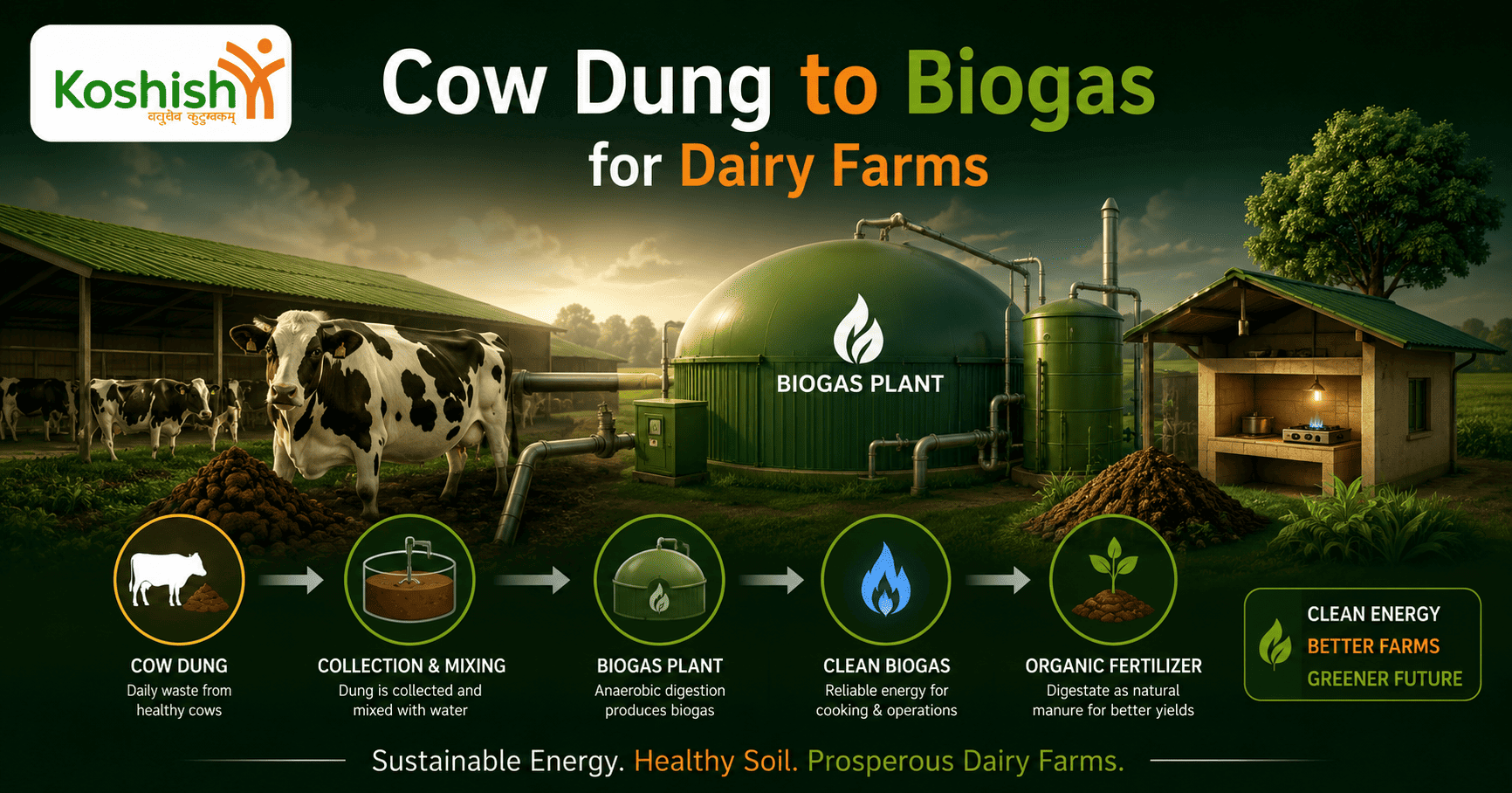
The process of generating the cattle dung biogas is often called “anaerobic digestion,” as described below. Key stages of the biogas generation process: Collecting & Mixing of Cow Dung: Cow dung is collected in the inlet tank and is mixed properly with water in a 1:1 ratio. The slurry is prepared. Feeding Tank: The slurry is then transferred to an underground anaerobic digester tank. Anaerobic Digestion: This tank is airtight, wherein, in the absence of oxygen, the bacteria break down the slurry in three stages:- Hydrolysis: The complex organic material is broken down.
- Acidogenesis or Acetogenesis: The broken material is turned into acetic acid & hydrogen.
- Methanogenesis: The Methanogenic bacteria turn into methane gas and carbon dioxide.
Cattle Dung Biogas Plant Daily Energy Use
Cattle dung is very valuable to dairy farmers, as it can be turned into biogas for dairy farms and used for many purposes. It becomes a renewable energy dairy farm, reducing reliance on fossil fuels. Daily energy use is optimise, resulting in substantial cost savings over time. Additionally, using biogas can help farms achieve energy independence, thereby improving their sustainability. The dairy farmers can use the cattle dung biogas as- Cooking gas can reduce their dependency on LPG and other natural sources.
- Generate electricity from biogas for dairy farms, thereby partially reducing electricity bills.
- The remaining slurry is the organic manure for the farms.
- It also helps reduce greenhouse gas emissions and protect the environment.
How does the dairy farmer reuse slurry after biogas is extracted?
The dairy farmers separate the slurry from the digester and put it to other uses, such as organic fertiliser in farms, it improves soil fertility and makes it nutrient-rich for crop growth. Another use is that dairy farmers can sell excess slurry at the standard market price and generate revenue.What are the cost benefits of a cow dung biogas plant?
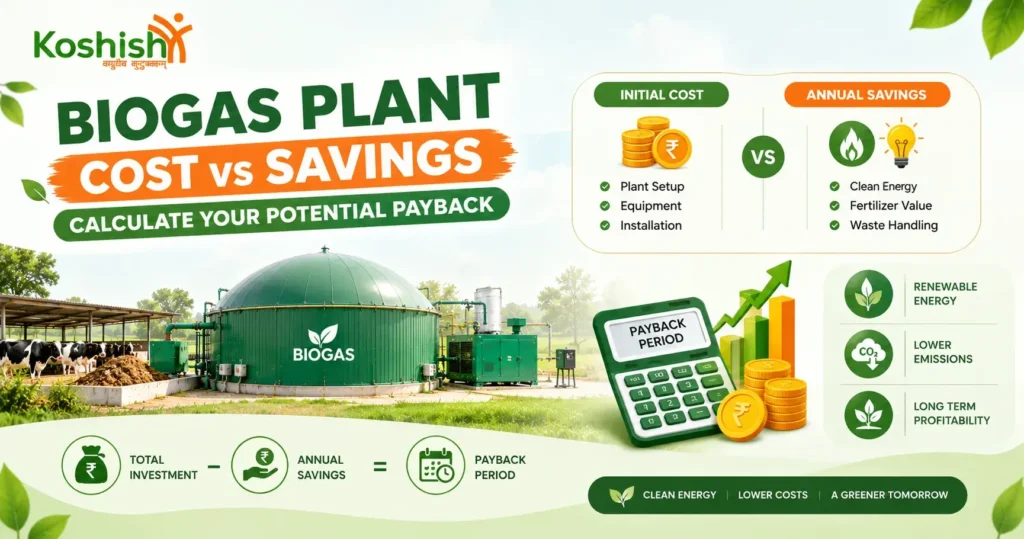
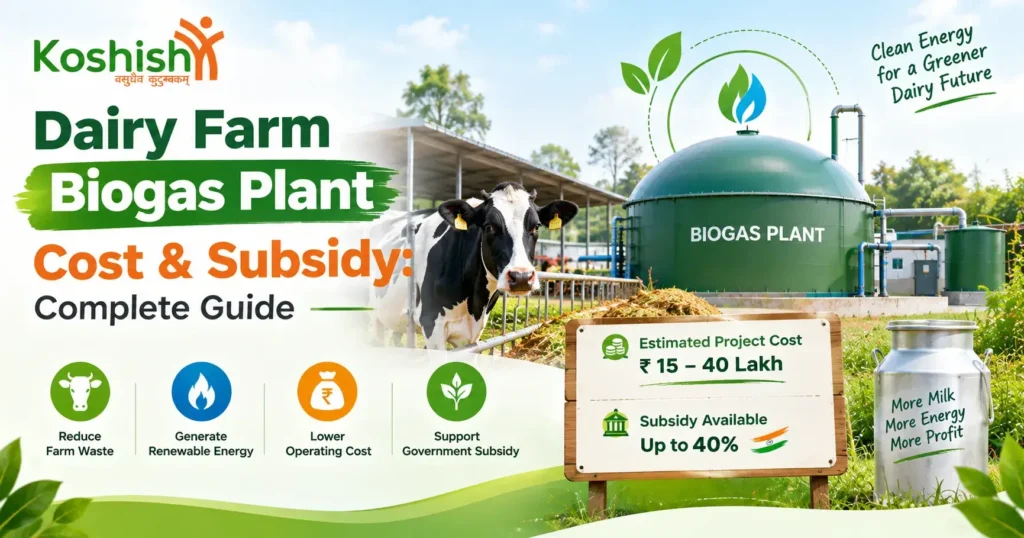
The cost of the cow dung biogas plant varies with the size and quantity of the available raw material. Domestic biogas plant costs range from 25,000 to 50,000. Commercial biogas plants are large; costs start at 1 lakh. As for CBG plants, the government provides a subsidy that depends on plant size, ranging from 25,000 to 5 crore. The cost of the compressed biogas plant is in crores.Wrapping Up
Cow dung biogas plants are a viable solution for dairy farms looking to embrace renewable energy. By converting waste into energy, these systems not only help in waste management but also provide economic benefits and promote sustainability. As the demand for renewable energy continues to grow, investing in cow dung biogas technology is a step towards a greener future for the dairy industry. By focusing on cow dung biogas, dairy farms can lead the way in renewable energy adoption, showcasing the potential of agricultural waste as a valuable resource.Frequently Asked Questions (FAQ)
What is cow dung biogas, and how is it produced?
Cow dung biogas is the anaerobic digestion of cow manure. In this process, microorganisms break down the organic matter in the absence of oxygen for 45 days, which emits methane gas, which comes in handy for cooking, heating, or electricity generation.
What are the benefits of using cow dung biogas on dairy farms?
Using cow dung biogas can reduce greenhouse gas emissions, provide a sustainable energy source, lower energy costs, and minimise waste disposal issues. It also contributes to improving the soil health when the residual digestate is for fertiliser.
How can dairy farms use Cow dung biogas plants?
Dairy farms can implement biogas systems by installing anaerobic digesters that process cow dung. This involves assessing the farm’s waste production, selecting appropriate technology, and ensuring proper management and maintenance of the system.
Are there any subsidies available to dairy farms to adopt cattle dung biogas technology?
Yes, the government of India offers financial incentives and subsidies under the SATAT scheme to encourage renewable energy, including biogas systems. These incentives can help offset initial investment costs and improve the project’s economic viability.
What problems do dairy farms face due to Cow dung Biogas Plant?
A few problems dairy farms face include high capital costs, the need for technical expertise, and maintenance. Additionally, farmers must ensure a consistent supply of feedstock to maintain biogas production levels.