
How Biogas Works in a Hospitality Setting?
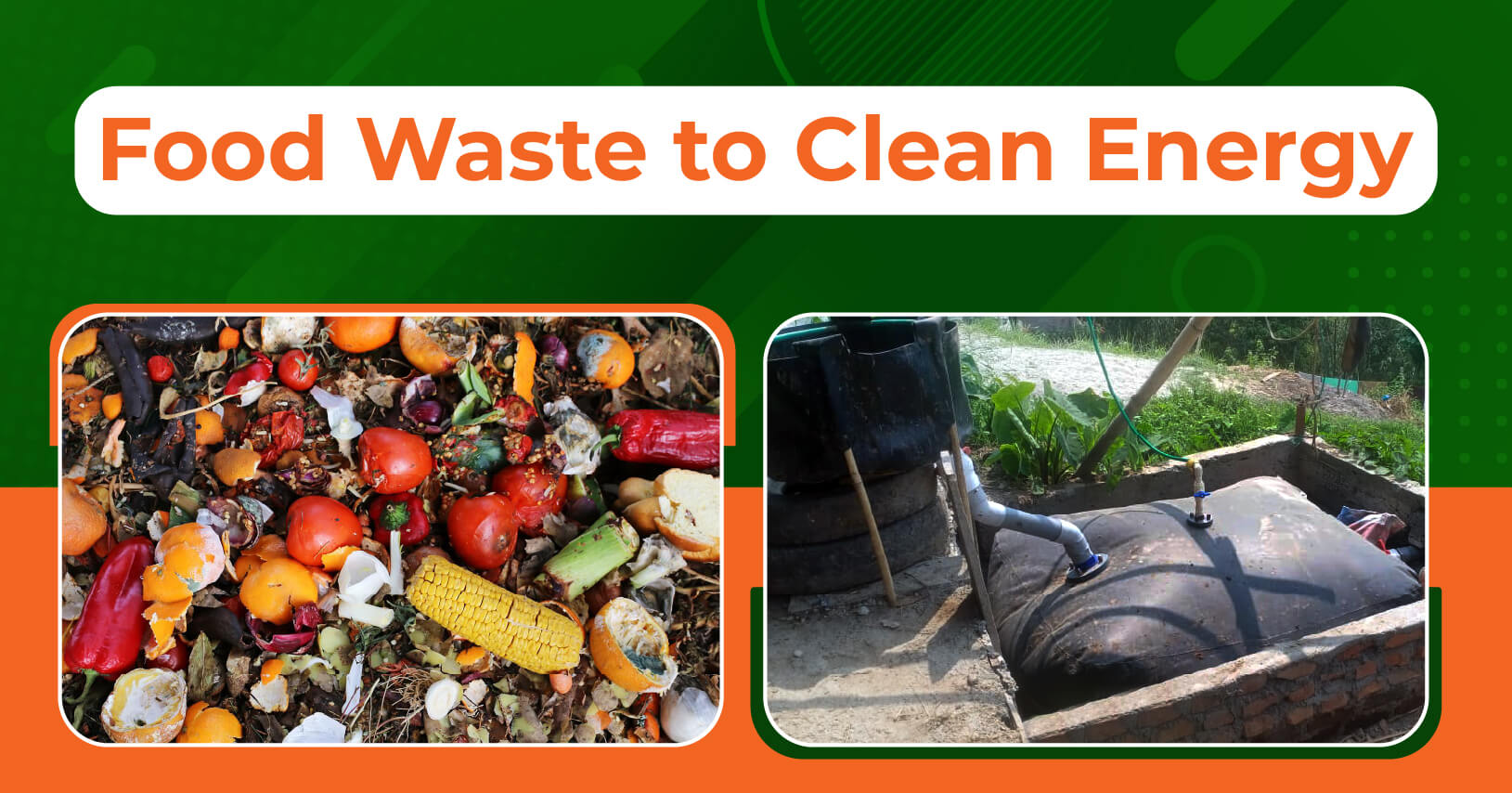
In hotels & Restaurants, food waste management becomes important as food waste is a daily byproduct, including leftover meals, vegetable remains, spoiled ingredients, and plate waste. The food waste is not dumped in the landfills; it is collected and fed into a Biogas Digester to generate renewable energy for hospitality. The procedure of producing biogas for hotels & restaurants is as follows: Collection of Food Waste: The organic waste from the kitchens, dustbins is segregated and directed to the biogas plant. This ensures that non-biodegradable items like plastics and metals are kept out. Anaerobic Digestion: For food waste management, the organic waste is mixed with water and placed inside an airtight digester tank. In this oxygen-free environment, naturally occurring microbes break down the waste. The biological process produces a mixture of gases, mainly methane (CH4) & Carbon Dioxide (CO2), commonly known as Biogas. Biogas Utilisation: The generated biogas can be piped directly to hotel kitchens for cooking, can be used in heating, or even converted into electricity for lighting and appliances. This also reduces dependency on LPG cylinders and fossil fuels, cutting energy costs significantly. Production of Organic Manure: Alongside renewable energy for hospitality, the whole process also produces a nutrient-rich byproduct called Digestate. The hotels & restaurants with gardens or landscaping can use this as an Organic fertiliser, enhancing sustainability efforts. The hospitality businesses not only save on the waste disposal costs but also create a self-sustaining source of renewable energy, strengthening their green credentials while reducing their environmental footprint.What are the Economic Advantages Food Waste into Energy?
- Reduced Fuel Costs: Commercial Biogas unit is the best alternative to LPG Cylinders and conventional fuels used in kitchens & electricity. Over time, this translates into significant savings on monthly energy bills.
- Lower Waste Disposal Expenses: Food waste management through municipal channels often involves collection fees & additional handling costs. On-site commercial biogas plants eliminate or reduce these expenses, allowing hotels & restaurants to cut waste management costs.
- Return on Investment (ROI): Even though installing a biogas system requires an initial investment, the payback period is relatively short, usually 2 to 4 years. After that, the system generates free, renewable energy for years with minimal operational costs.
- Revenue from Byproducts: The Slurry is extracted from the remaining material as a byproduct, which is rich in nutrients that can be used in-house landscaping or even as an organic fertiliser. Those hospitality areas that have huge green spaces reduce the need for chemical fertilisers, further lowering expenses.
- Brand Value and Competitive Edge: Sustainability Initiative enhances a brand’s reputation. Eco-conscious travellers and diners increasingly prefer businesses that adopt green practices, which can boost bookings and revenue.
- Government Incentives and Subsidies: In many regions, governments provide subsidies, tax benefits, or grants for renewable energy projects. Hotels and restaurants that adopt biogas for hotels can tap into these financial advantages, further improving profitability.
Advantages Of the Sustainability of Food Waste in India?
The advantages of Sustainability in Food Waste in India are as mentioned below: Reduces Greenhouse Gas Emissions: Rather than dumping food waste in landfills, and prevents methane, a potent greenhouse gas, from being released into the Environment, and instead captures it as usable energy. Generates Clean, Renewable Energy: Biogas and bio-CNG from food waste can replace LPG, diesel, and firewood, cutting dependence on fossil fuel imports. Improves Food Waste Management: Food waste is one of the largest components of India’s municipal waste. Converting it into energy eases landfill pressure, reduces odour, and prevents water/soil pollution. Promotes a Circular Economy: The byproduct of biogas plants, digestate, acts as a natural fertiliser, recycling nutrients back into the soil and reducing chemical fertiliser use. Enhances Public Health & Air Quality: By avoiding open dumping or burning of food waste, biogas helps reduce smoke, foul smell, and particulate emissions, creating healthier urban and rural environments. Supports India’s Climate & Energy Goals: Biogas projects contribute to India’s renewable energy targets, Swachh Bharat Mission, and commitments under the Paris Agreement, making waste a valuable resource.Space and Technical Requirements for Food Waste Management?
When hotels, restaurants, or institutions consider installing a biogas plant for food waste management, both space planning and technical setup become critical.1. Space Requirements
Digester Tank Area – A small-to-medium hotel generating 100–200 kg of food waste daily needs about 100–150 sq. ft. for the digester and support structures. Waste Collection Zone – A designated area near the kitchen for waste segregation (dry vs. wet) ensures smooth feeding into the biogas unit. Gas Storage – Biogas is usually stored in a gas holder or balloon; this requires an additional compact space. Slurry Outlet & Fertiliser Storage – Space for storing nutrient-rich slurry or bio-slurry, which can be reused in gardens or supplied to farmers.2. Technical Requirements
Waste Segregation System – Ensuring only biodegradable food waste (vegetable peels, leftovers, etc.) enters the digester. Plastics, metals, and glass must be filtered out. Anaerobic Digester Unit – Airtight tanks where food waste undergoes microbial breakdown to produce biogas. These can be prefabricated or RCC-built, depending on project size. Gas Handling System – Pipelines, pressure regulators, and burners customised to connect directly to hotel/restaurant kitchens. Slurry Management – Proper management of slurry should be done, with outlet pipelines to collect liquid digestate, which can be treated or used as fertiliser. Safety Features – Proper safety measures should be taken, such a pressure gauges, flame arresters, and proper ventilation. Maintenance & Skilled Supervision – Regular feeding, occasional desilting, and microbial health monitoring require trained staff or service support.What are the requirements for the Maintenance of a Biogas Plant?
Maintaining a Biogas plant is as follows: Regular Feeding: Add waste daily in a balanced quantity to avoid overloading. Stirring/Mixing: Prevents scum and solid settlement inside the digester. Leak Check: Inspect pipelines, valves, and joints for gas leaks. Sludge Removal: Periodically remove excess slurry to maintain capacity. Waterproofing: The digester walls/tank should be sealed and crack-free. Gas Pressure Monitoring: Maintain optimal gas pressure for smooth flow. Safety Measures: Proper ventilation should be there & fire resources should not be kept nearby.Conclusion
In India’s Hospitality sector, food waste management is not only an operational challenge, but it’s also an untapped resource. Biogas technology, hotels & restaurants can transform everyday waste into clean energy, organic fertiliser, and long-term savings. It reduces landfills’ pressure, improves air quality and supports sustainability goals. Turning Food waste into renewable energy is no longer optional; it is a smart and future-ready investment for the hospitality sector by adopting Biogas for hotels & restaurants.Frequently Asked Questions
What is a biogas plant for hotels and how does it work?
A biogas plant for hotels converts kitchen waste into energy through anaerobic digestion. In this process, microorganisms break down organic waste without oxygen, producing methane-rich gas. This gas is used as renewable energy for hospitality needs like cooking or heating. The system also produces organic fertilizer as a by-product. A commercial biogas unit is designed to handle large waste volumes, making Food Waste Management more efficient and sustainable for hotels and restaurants.
Why is food waste management important for hotels and restaurants?
Effective Food Waste Management helps hotels reduce costs, minimize environmental impact, and meet sustainability goals. Food waste in landfills releases harmful methane, but a biogas plant for hotels converts it into useful energy. Using a commercial biogas unit, businesses can manage waste on-site and generate renewable energy for hospitality operations. This not only lowers disposal expenses but also improves brand image and supports eco-friendly practices.
What are the benefits of installing a commercial biogas unit?
A commercial biogas unit offers multiple benefits, including reduced waste disposal costs and improved Food Waste Management. It converts organic waste into renewable energy for hospitality, lowering fuel expenses. A biogas plant for hotels also reduces greenhouse gas emissions by capturing methane. Additionally, it produces organic fertilizer as a by-product. This sustainable approach enhances brand reputation and helps businesses comply with environmental regulations.
Is a biogas plant suitable for small restaurants?
Yes, a biogas plant for hotels is scalable and suitable for small restaurants too. Compact commercial biogas unit options are available for lower waste volumes. These systems improve Food Waste Management by processing waste on-site and producing renewable energy for hospitality use like cooking. Even small setups can reduce costs and environmental impact, making them a smart investment for eco-conscious restaurants.
How does biogas support sustainability in hospitality?
A biogas plant for hotels supports sustainability by turning waste into energy. It improves Food Waste Management and reduces landfill usage. A commercial biogas unit generates renewable energy for hospitality, cutting reliance on fossil fuels and lowering emissions. It also produces organic fertilizer, promoting a circular system. This eco-friendly solution helps hotels and restaurants operate more sustainably while meeting growing customer demand for green practices.