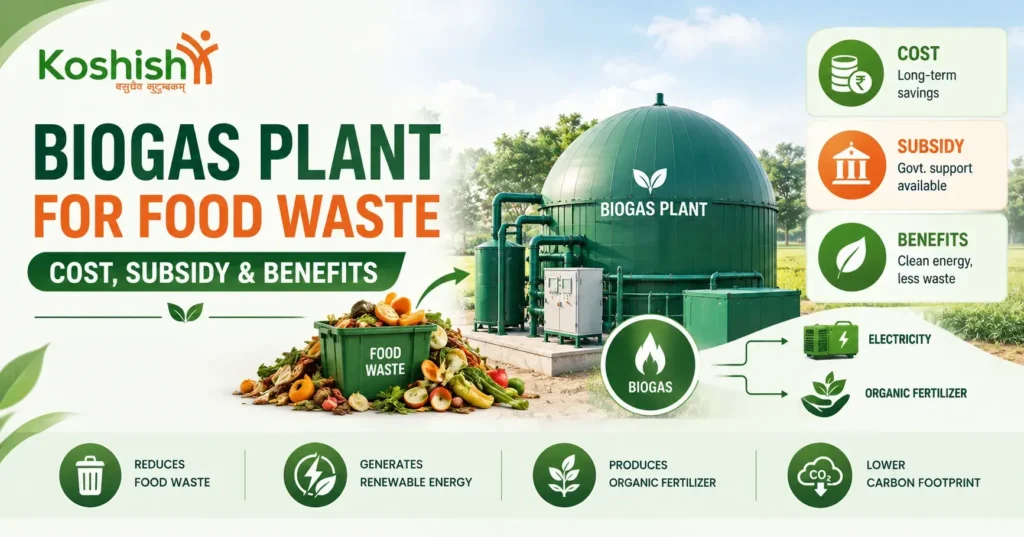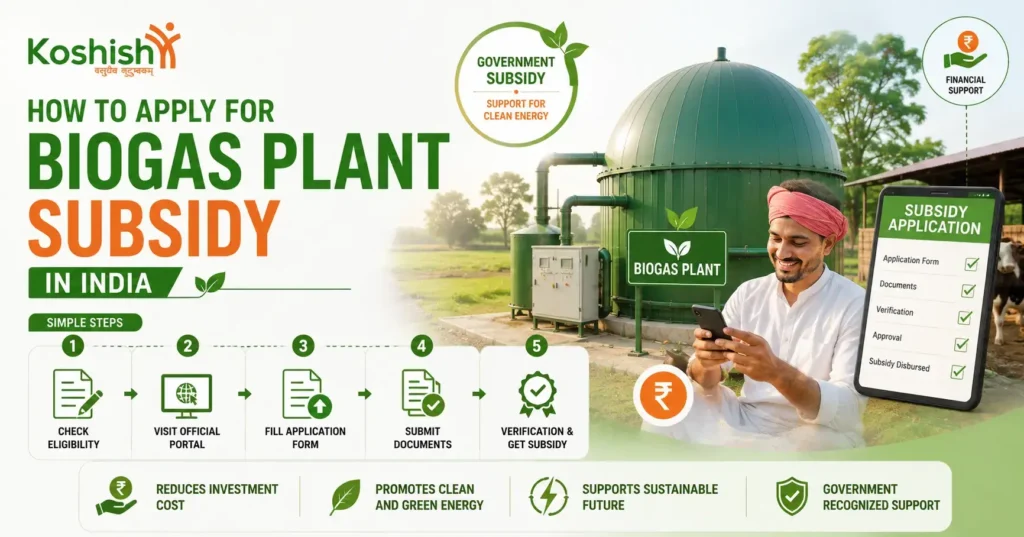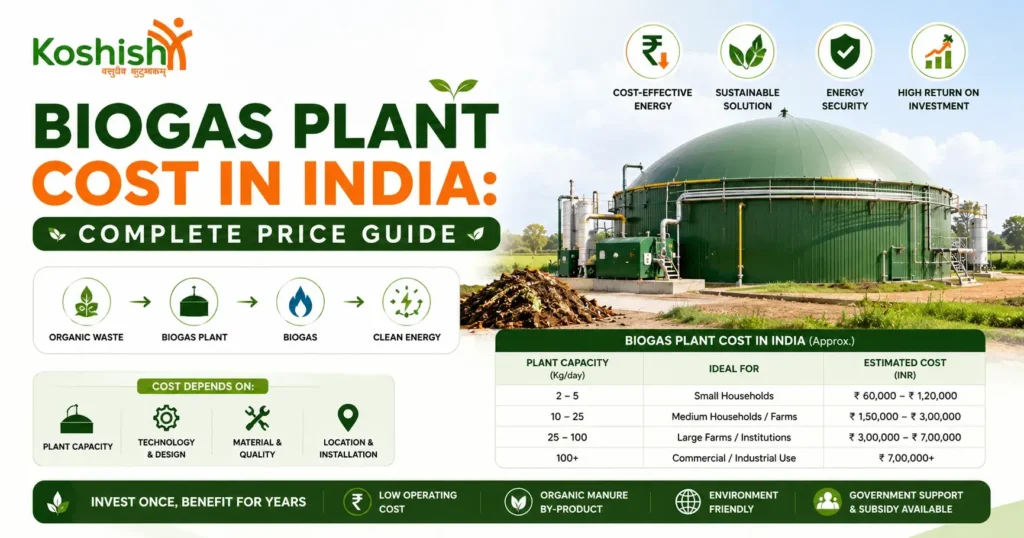


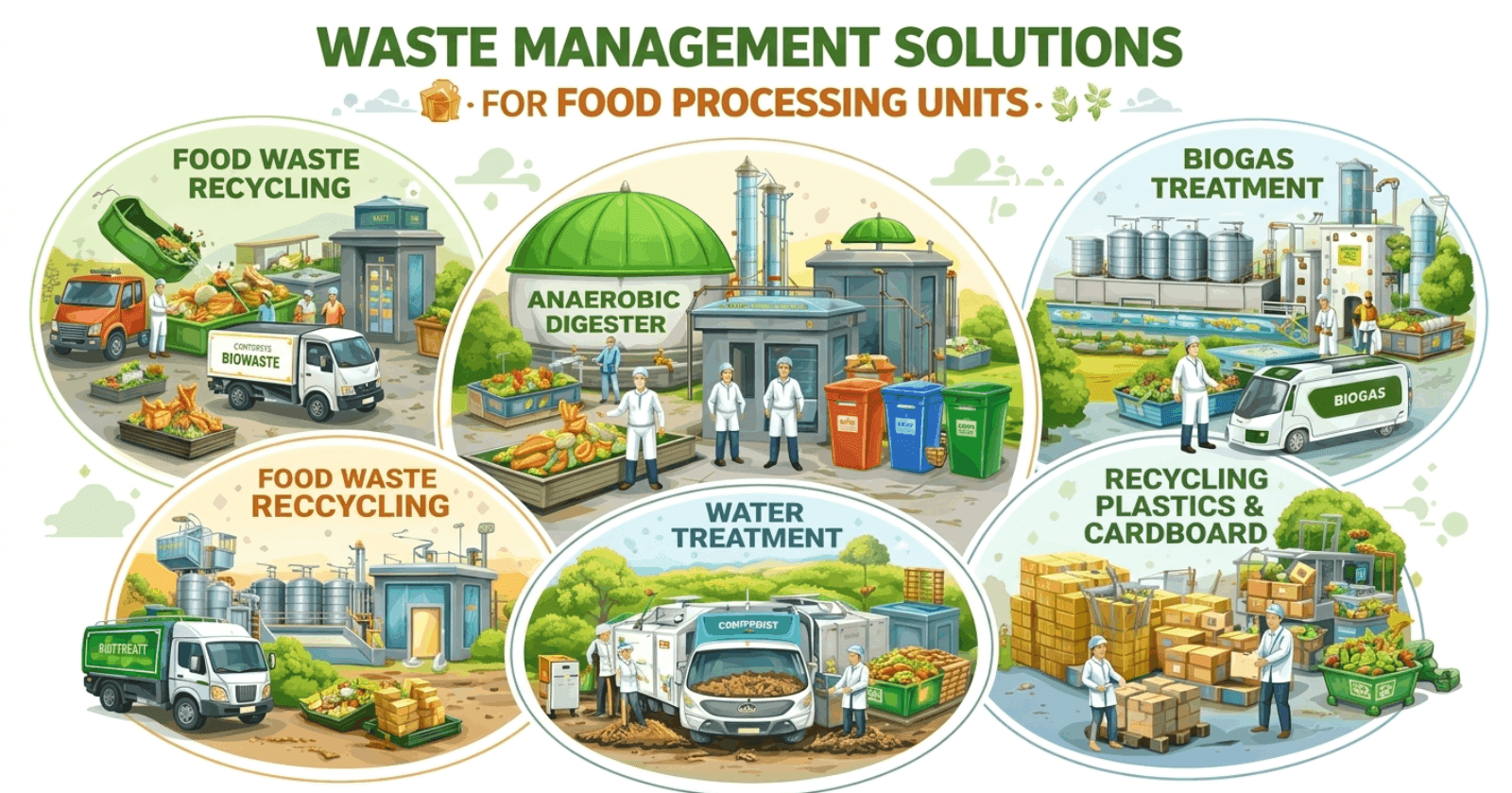
Food processing units today face increasing pressure to manage their organic waste properly. Thanks to food waste biogas plants and waste-to-energy food industry solutions, companies can now turn waste into a useful resource.
With effective industrial organic waste management, FMCG and food manufacturing units can make their operations cleaner, greener, and more sustainable through the use of biogas in FMCG.
Organic Waste Problem in Food Processing
The food processing industry is one of the largest sectors generating organic waste globally. The organic waste, such as fruit peels and vegetable trimmings, dairy residues, and grains, in massive quantities of biodegradable material, end up discarded daily. If the waste is not disposed of properly, it leads to methane emissions, bad odors, groundwater pollution, and loss of potential energy sources.
This is where industrial organic waste management is important. Food manufacturers now see waste not as a problem but as a resource for creating sustainable energy. Food waste biogas plants help capture the value of organic waste and reduce the environmental impact of the waste-to-energy food industry.
Companies across the FMCG and food sectors are shifting toward circular economy models, where waste is recycled, reused, or converted into renewable energy through biogas in FMCG initiatives.
What is the Biogas Conversion Process?
The anaerobic digestion process is key to a biogas plant. It’s a natural, eco-friendly method that turns organic waste into biogas and nutrient-rich slurry. Here’s how it works:
Step 1: Organic waste from production lines, kitchens, and packaging units is collected and sorted.
Step 2: Non-biodegradable materials are removed, so only organic waste goes into the digester.
Step 3: In oxygen-free chambers, microorganisms break down the waste to produce methane-rich biogas.
Step 4: The biogas in FMCG units is used for heat, power, or upgraded to Bio-CNG.
Step 5: The leftover slurry becomes a nutrient-rich biofertilizer for sustainable farming.
This waste-to-energy food industry process not only manages waste efficiently but also lowers carbon emissions and supports energy independence.
Benefit Beyond Food Waste Energy
The adoption of food waste biogas plants brings a broad spectrum of advantages that go beyond simple energy generation. Some key benefits include:
Environmental Compliance: Works with Government Sustainability practices, mandates, and corporate ESG Goals.
Cost Savings: Another benefit of Food Waste Energy is that it reduces the expense of waste disposal, fuel, & electricity.
Carbon Reduction: It helps companies cut down on methane gas and CO2 emissions significantly.
Nutrient Recycling: The Organic Digestate promotes sustainable agriculture.
Brand Image: It strengthens the green credentials for FMCG brands striving for eco-conscious operations.
In the industrial organic waste management landscape, such systems promote a closed-loop model, ensuring that waste streams from the waste-to-energy food industry turn into valuable resources. Many FMCG leaders are recognising that investing in biogas in FMCG plants enhances both sustainability and profitability.
Case Examples from FMCG Units
Several prominent FMCG companies have already implemented food waste biogas plants to power their operations.
- Nestle India operates biogas digesters at select facilities, converting canteen and production waste into energy for in-house use.
- ITC Limited utilises biogas in FMCG manufacturing processes to reduce dependency on fossil fuels.
- Britannia Industries and Amul have adopted industrial organic waste management systems to treat dairy and bakery waste efficiently.
These success stories demonstrate how waste-to-energy food industry solutions can transform sustainability performance. By integrating biogas in FMCG facilities, companies not only meet ESG goals but also ensure long-term operational resilience.
TakeAway
The future of industrial organic waste management lies in scalable, decentralised food waste biogas plants that convert waste into energy, fertiliser, and environmental value. As the waste-to-energy food industry evolves, embracing biogas in FMCG units is no longer an option; it’s a strategic move toward sustainable growth.
By adopting these solutions, food processing units can transform their waste challenges into renewable energy opportunities, closing the loop between production, consumption, and regeneration.
Frequently Asked Questions
How can biogas be utilised in the FMCG industry?
In FMCG units, biogas can be used to power boilers, run generators, or replace LPG in canteens. Upgraded Bio-CNG can also be used for transport fleets, making operations more sustainable and cost-efficient.
How do food waste biogas plants contribute to ESG goals?
They directly support Environmental, Social, and Governance (ESG) objectives by reducing carbon emissions, promoting waste circularity, saving resources, and improving brand sustainability reporting.
Are there any successful case studies of biogas use in FMCG companies?
Yes. Companies like Nestlé India, ITC Limited, Britannia Industries, and Amul have implemented biogas systems to treat production and food waste, generating energy for internal use and reducing fossil fuel dependency.
How can Koshish Sustainable Solutions help in setting up a biogas plant?
Koshish Sustainable Solutions Pvt. Ltd., led by IIT Delhi alumni, offers end-to-end services including waste audit, biogas plant design, installation, maintenance, and performance optimisation for food and FMCG industries, aiming for sustainable waste-to-energy transitions.
What is the difference between industrial organic waste management and traditional waste disposal?
Traditional waste disposal often involves dumping waste in landfills, causing pollution. Industrial organic waste management, on the other hand, treats waste as a resource, recovering energy and nutrients while reducing environmental harm.