
What Is Biogas Plant?
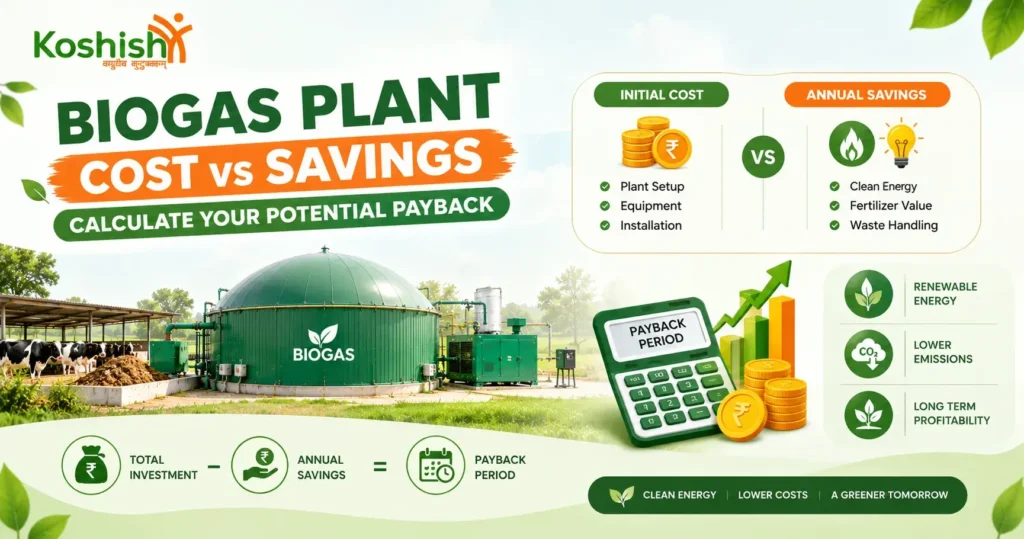
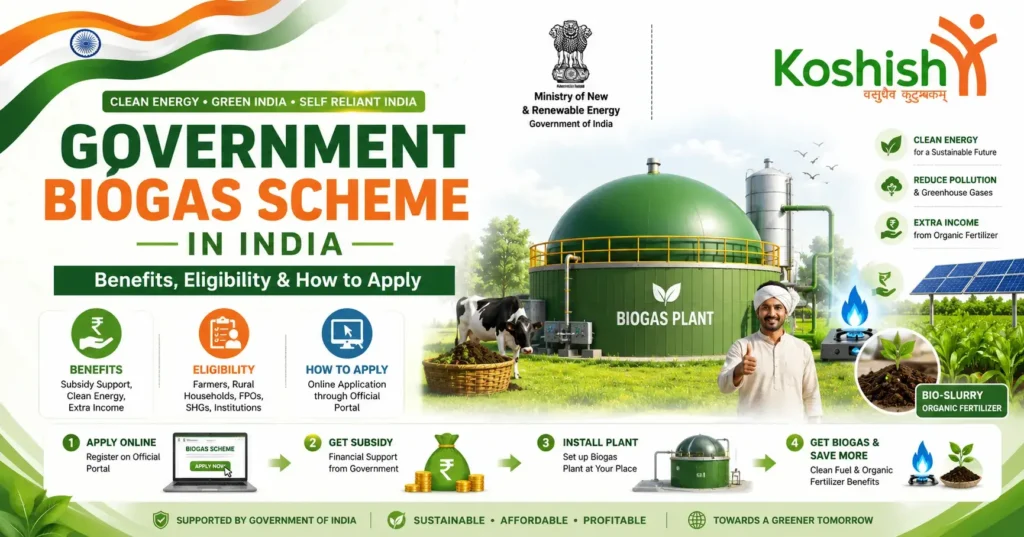
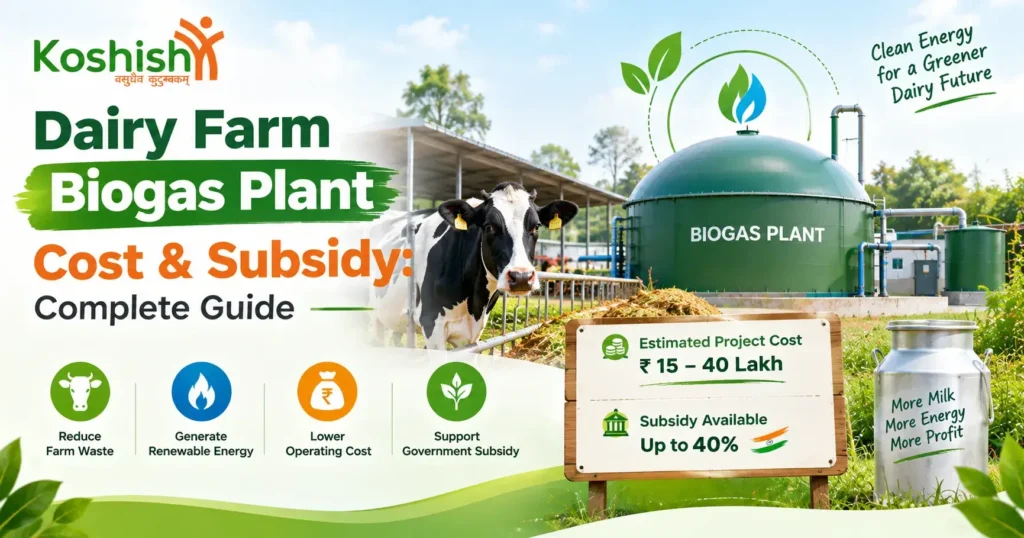
A biogas plant is a system that converts organic waste like cattle dung, farm waste, and food waste into useful energy (biogas) and organic fertilizer (slurry). In a closed tank without oxygen, microorganisms break down the waste to produce gas for cooking, heating, or electricity, while also reducing pollution.Waste Management Challenges in the Poultry Industry
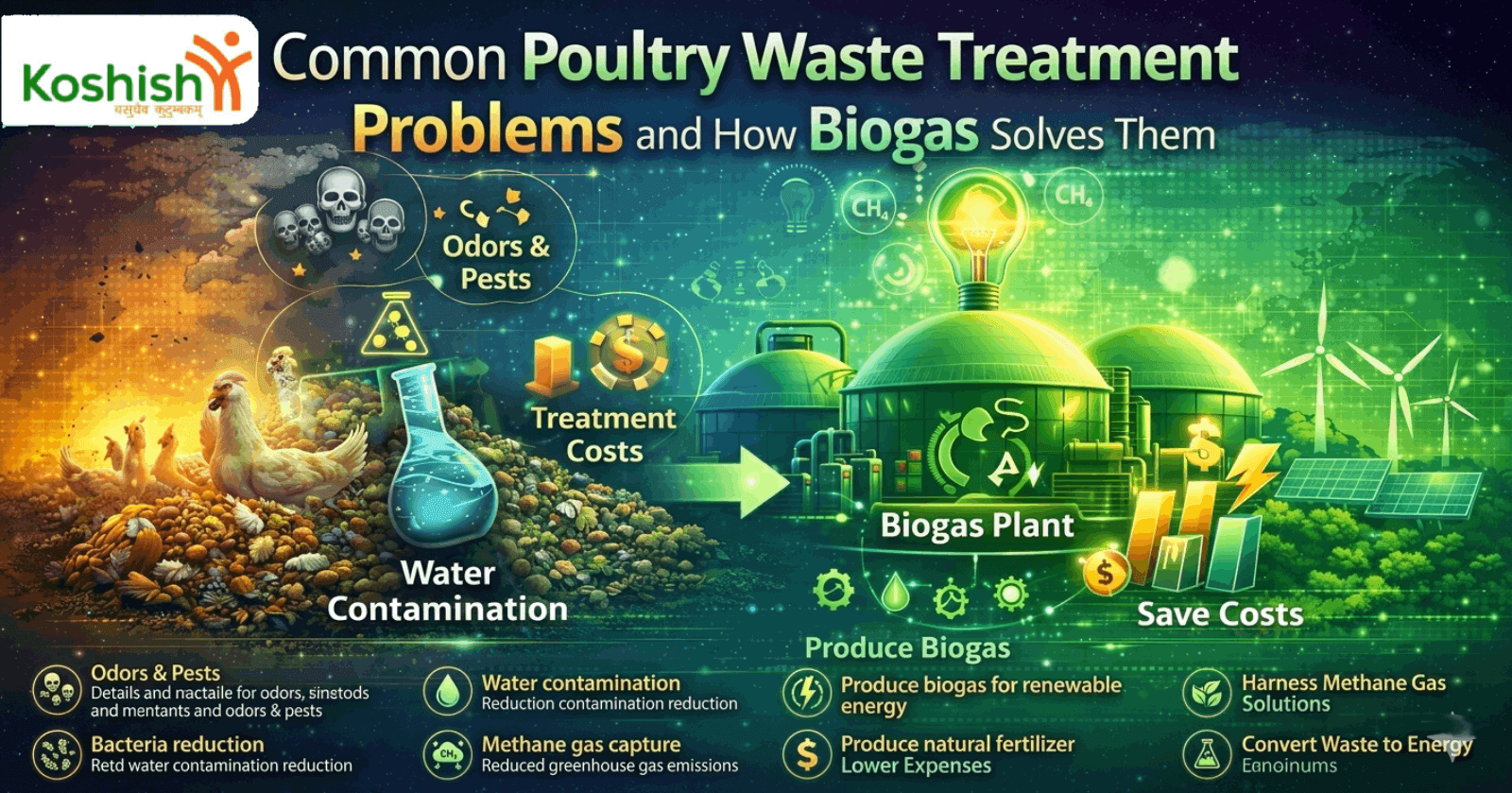
Poultry waste treatment is a major concern in the poultry industry due to the large amount of waste produced every day. Proper poultry manure disposal and waste handling are essential to avoid environmental and health problems. High Volume of Daily Waste : Poultry farms and processing units generate large quantities of waste, including feathers, blood, and internal organs. Without proper management, this waste can cause harmful pollution and health risks. Handling and Disposal of Manure : Poultry farms produce a lot of manure. Improper poultry manure disposal can pollute soil and water and cause harmful algae growth. Proper poultry waste treatment helps prevent these environmental problems. Bad Odor and Air Pollution : Stored poultry waste produces bad smells that reduce air quality and cause discomfort for nearby people. Risk of Disease Transmission : Poor waste management allows harmful bacteria and viruses to grow. Contaminated waste can spread diseases among poultry and nearby people, making proper poultry waste treatment very important. Meeting Environmental Regulations : Poultry farms must follow strict waste disposal and environmental rules. Following these regulations can be difficult, especially for small farms, which makes efficient and reliable waste management systems necessary.How Does Biogas Plant Work as a Centralized Solution for Poultry Waste?
Biogas technology offers an effective way to manage poultry waste by converting poultry manure into useful energy. Through anaerobic digestion, farms can treat waste efficiently while producing renewable energy. Let’s know the benefits: Centralized management: Waste from multiple poultry farms or sheds can be sent to one biogas plant, making operations simpler and more organized. Renewable energy production: Biogas produced can be used for cooking, heating, or electricity, helping reduce dependence on fossil fuels. Nutrient-rich byproduct: The leftover slurry acts as organic fertilizer, supporting sustainable farming practices.How Does the Biogas Production Process Work and What Do We Get From It?
The biogas process starts by collecting poultry waste and feeding it into a sealed tank called an anaerobic digester. In this tank, microorganisms break down the waste without oxygen and produce biogas. This biogas can be used for cooking, heating, or electricity generation, helping reduce energy costs. Along with gas, the process also produces a nutrient-rich slurry called digestate, which works as organic fertilizer and improves soil health. In this way, biogas helps in proper poultry waste management while producing clean energy and useful fertilizer.Wrapping Up
Well, poultry waste treatment is essential for maintaining environmental safety, farm hygiene, and long-term business sustainability. Traditional waste disposal methods may not effectively control pollution, smells, and disease risks, which makes it necessary to adopt modern and reliable poultry waste management solutions. Biogas technology provides a sustainable solution to overcome these challenges. By converting poultry manure into clean energy and organic fertilizer, biogas systems help farms to reduce waste, lower energy costs, and improve soil health. Whether it is domestic biogas for small poultry setups or commercial biogas plants for large-scale farms and processing units, biogas provides an eco-friendly solution. At Koshish India, we deliver customized biogas solutions designed to support efficient poultry waste treatment while promoting renewable energy and sustainable farming practices. By adopting biogas, poultry farms can turn waste problems into valuable resources, ensuring cleaner operations, regulatory compliance, and long-term profitability.Frequently Asked Questions
What is poultry waste treatment?
Poultry waste treatment is the process of managing and treating waste that is generated from poultry farms, including manure, feathers, and organic residues. Proper treatment helps to reduce pollution, control smell, prevent disease spread, and protect soil and water quality.
Why is proper poultry manure disposal important?
Proper poultry manure disposal is important to avoid soil and water contamination, bad odors, and health risks. Safe disposal methods also help poultry farms to meet environmental regulations and maintain hygienic farm conditions.
What are the common problems in poultry waste management?
Common problems include large waste volumes, bad odors, water pollution, disease spread, and difficulty in meeting environmental rules. These challenges highlight the need for effective poultry waste management solutions.
How does biogas help in poultry waste treatment?
Biogas helps in poultry waste treatment by converting poultry manure into renewable energy and organic fertilizer. This reduces waste, lowers pollution, cuts energy costs, and supports sustainable farming.