

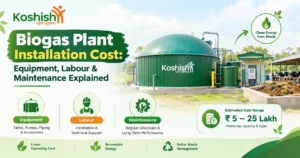
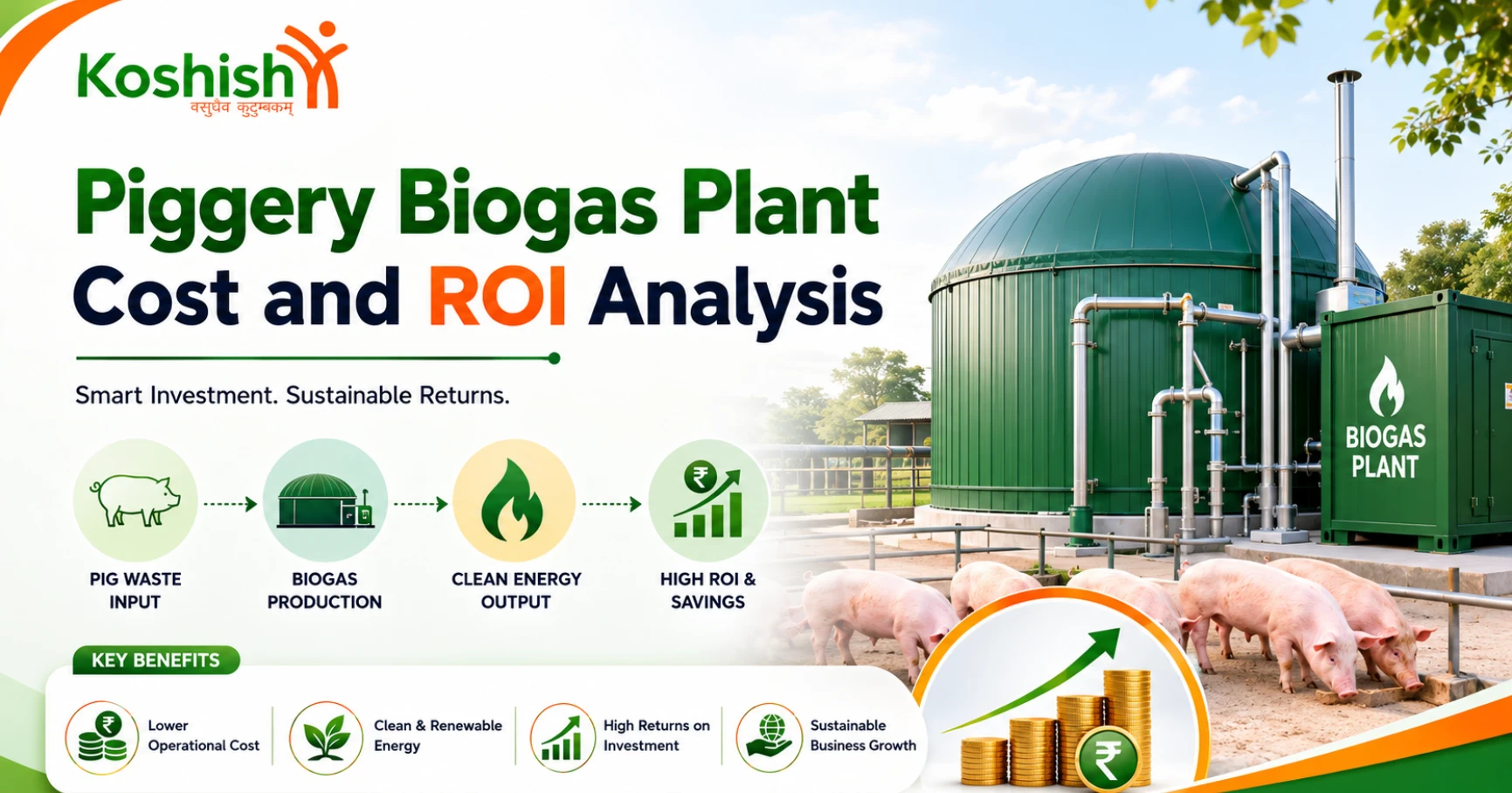
Piggery biogas plant cost is a common concern for many pig farmers. Every month, many farms spend a lot of money on electricity, cooking fuel, and waste management. At the same time, pig waste causes bad smells, flies, and pollution. However, there is a simple solution. A piggery biogas plant turns pig waste into clean biogas and organic fertiliser. As a result, farmers save money, keep their farms clean, and earn better profits.
 In this blog, you will learn about the capital cost, operating expenses, energy savings, and payback period of a piggery biogas plant.
In this blog, you will learn about the capital cost, operating expenses, energy savings, and payback period of a piggery biogas plant.
What Is a Piggery Biogas Plant?
A piggery biogas plant changes pig waste into biogas with the help of natural bacteria. The biogas produces:- Cooking gas
- Production of electricity
- CBG Gas
- Reduces GHG Emissions
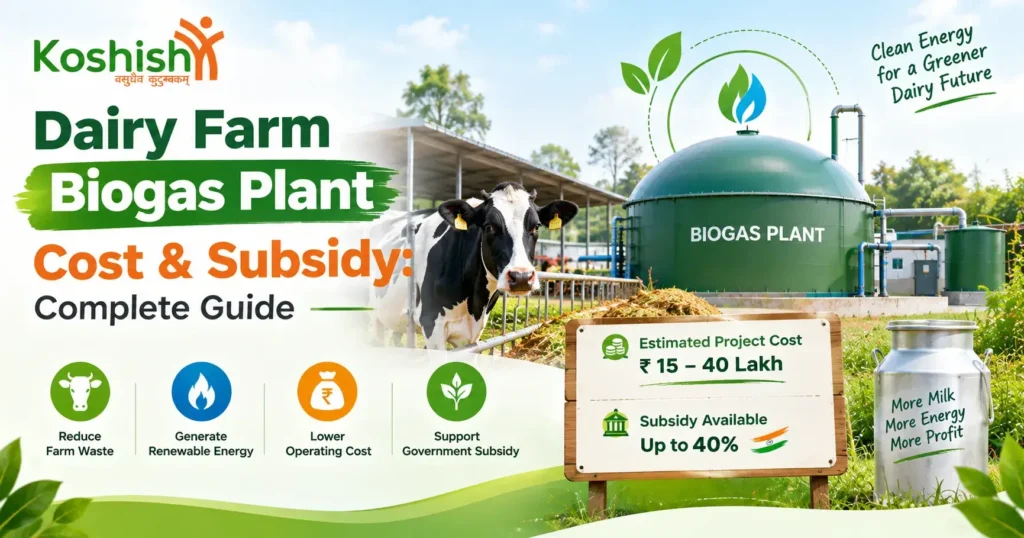
Piggery Biogas Plant Cost
The piggery biogas investment depends on the size of the farm. The Piggery biogas plant cost mainly depends on the following:- Number of pigs the farm has.
- The Piggery Biogas Plant design
- How much Construction work is required
- Biogas storage tank (digester tank)
- Pipes and equipment that are required
Operating Expense of Piggery Biogas Plant
After the plant is installed, the operating costs are usually low. The main expenses include cleaning the piggery biogas plant, small repairs, pump maintenance, and regular servicing. Since pig manure is available every day, farmers do not need to buy extra raw material. Therefore, the operating cost stays low.How Pig Farm Energy Savings Help Farmers
A biogas plant helps farmers save money every month. Instead of buying LPG or using expensive electricity, farmers can use biogas made from pig waste. This helps reduce the cost of cooking fuel, electricity, and water heating. In addition, farmers spend less money on waste disposal. They can also use the slurry as organic fertiliser instead of buying chemical fertilisers. Because of this, pig farm energy savings increase every year.What Is Pig Biogas ROI?
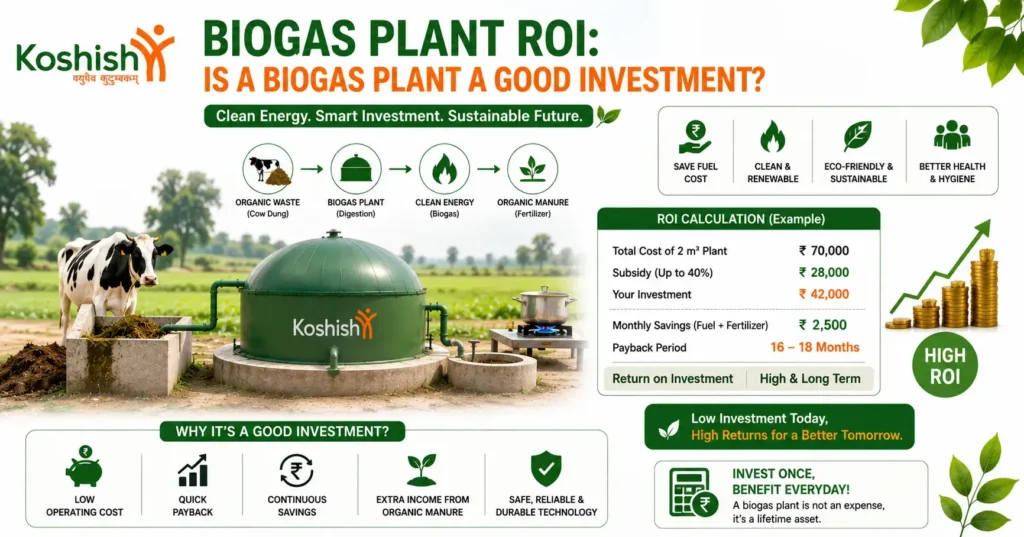
“Pig Biogas ROI” means “Return on Investment.” It shows how long it takes to recover the money spent on the biogas plant. Farmers save money by putting up a piggery biogas plant. Further, below are the advantages:- Lowers the electricity bills
- Less spending on LPG Gas cylinders
- Lower piggery waste management costs
- Using organic fertiliser. Therefore, the pig biogas ROI becomes better year after year.
Payback Period of Pig Biogas ROI
The payback period of pig biogas ROI means the time needed to recover the investment. It depends on:- Biogas Plant size farm
- Number of pigs on the farm
- Daily biogas production
- Energy savings
- Proper maintenance
Why More Farmers Choose Renewable Energy
Today, many farmers are using biogas because it saves money and protects the environment. Renewable energy pig farms enjoy many benefits, such as lower electricity bills, better piggery waste management, less bad smell, cleaner surroundings, and reduced pollution rates. As a result, more farmers are choosing biogas every year.Tips to Get Better Returns from Piggery Biogas Investment
To improve the performance of your biogas plant follow these simple tips:- First, add fresh pig waste to the biogas plant digester every day.
- Second, keep the biogas plant clean.
- Thirdly, repair leaks quickly.
- Fourth, service the equipment regularly.
- Lastly, use the slurry as fertilizer.