
What Is Biogas?
Biogas is a clean energy source. It is made through organic waste made when organic waste breaks down without oxygen, a process called anaerobic digestion. It mainly contains methane and carbon dioxide, with small amounts of other gases. Biogas can be used for cooking, heating, and producing electricity. The rising demand for renewable energy has opened many biogas business opportunities in both rural and urban areas.Understanding the Net-Zero Carbon Concept
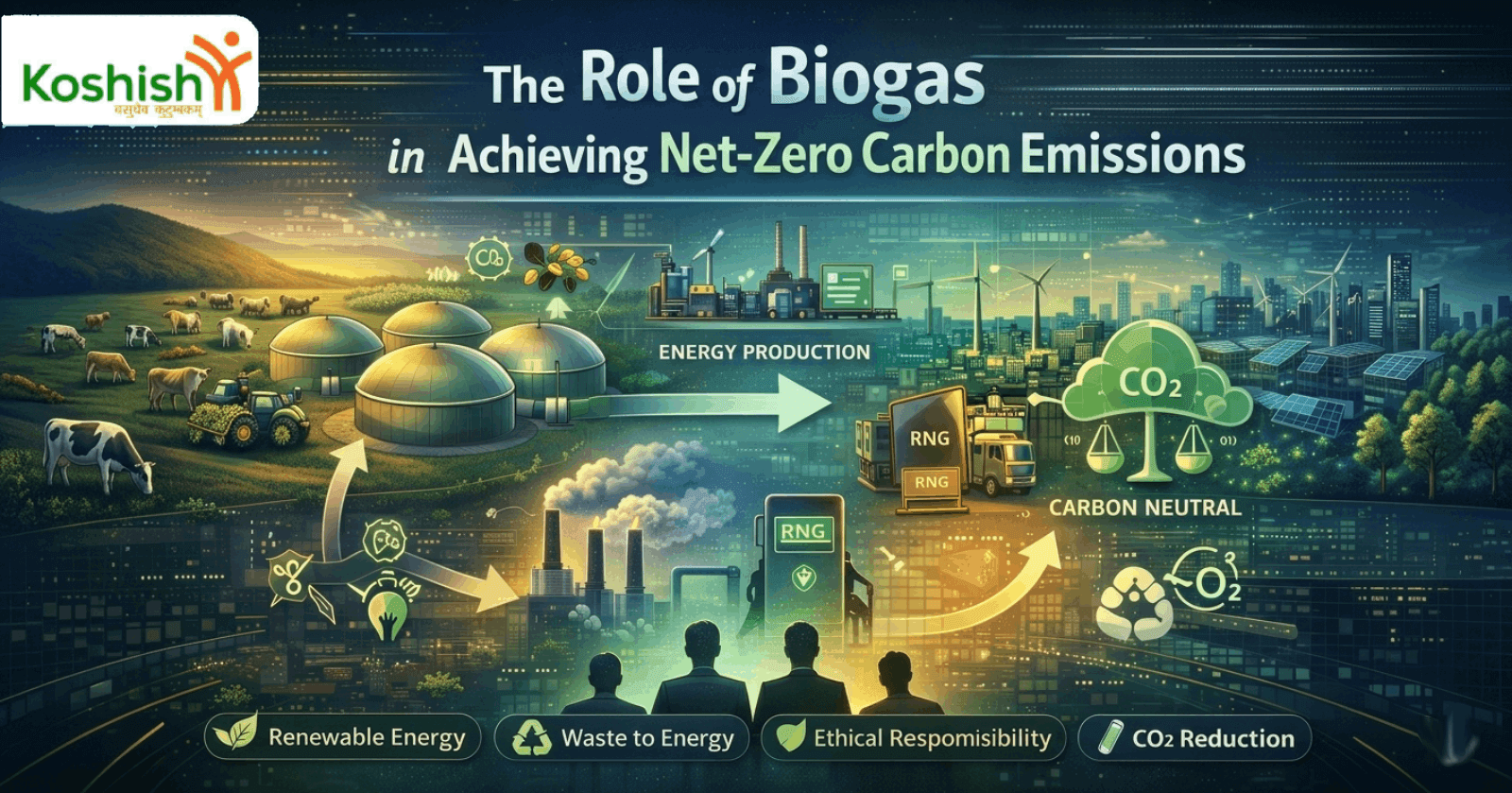
Net zero emissions means keeping the amount of greenhouse gases (GHGs) we release into the air equal to the amount we take out. In other words, the GHGs we create through activities such as farming, factories, or transportation are balanced by removing the same amount from the atmosphere. This can be achieved naturally, such as by planting trees, or with technology, like carbon capture systems.How Biogas Helps Reduce Greenhouse Gas Emissions?
Biogas helps to reduce Greenhouse gas emissions in several ways. Let’s understand how Biogas reduces Greenhouse gas emissions: Captures Methane from Waste : When food waste, animal manure, or crop leftovers rot, they release methane gas. Methane is a very powerful greenhouse gas, about 25 times stronger than carbon dioxide. Biogas plants store this methane gas and use it for energy instead of wasting it. Replaces Fossil Fuels : Biogas replaces coal, oil, with natural gas for cooking, heating, and electricity. It helps to reduce carbon dioxide from burning fossil fuels. Reduces Landfill Emissions : Organic waste in landfills releases methane and other harmful gases. Biogas plants use this waste to reduce emissions. Natural Fertilizer : The leftover material from biogas is a natural fertilizer. It reduces the use of chemical fertilizers, which cause pollution during production.Challenges in Large-Scale Implementation of Biogas for Net-Zero
Successful biogas plant setup requires effective planning, technical expertise, and understanding of government rules & regulations. Large-scale implementation of Biogas for Net-Zero faces many challenges. These include technical difficulties, large setup costs, and strict rules & regulations.- Making and cleaning biogas needs special machines and skilled people.
- Biogas must be clean and consistent. Removing harmful stuff like hydrogen sulfide is hard and expensive.
- Improving digester performance, getting more biogas from waste, and using it efficiently for energy are still big challenges.
- Collecting enough organic waste or crop leftovers for big plants can be difficult.
- Anaerobic digestion traps methane from organic waste that would otherwise release it into the air. Methane is far more harmful than carbon dioxide, so capturing and using it is very important.
Biogas as a Sustainable Alternative to Coal & Petroleum
Biogas is a clean energy source made from organic waste. It can replace coal and oil for heating, making electricity, and even as fuel for vehicles. This reduces the use of fossil fuels and lowers harmful greenhouse gas emissions. Some challenges and evolving biogas market trends can impact biogas business opportunities, especially for new entrepreneurs and industries trying to scale up.- Biogas is made when microorganisms break down organic waste without oxygen. This process is called anaerobic digestion. Biogas plants turn crop waste, food scraps, and sewage into useful fuel.
- Biogas helps to reduce the reliance on fossil fuels.
- Biogas is good for the environment. It uses organic waste, reducing garbage in landfills and lowering methane emissions. Burning biogas also produces fewer greenhouse gases than fossil fuels, helping fight climate change.
- Biogas is the natural resources that reduce the dependency on fossil fuels.
Government Subsidies for Biogas Plants & Financial Incentives
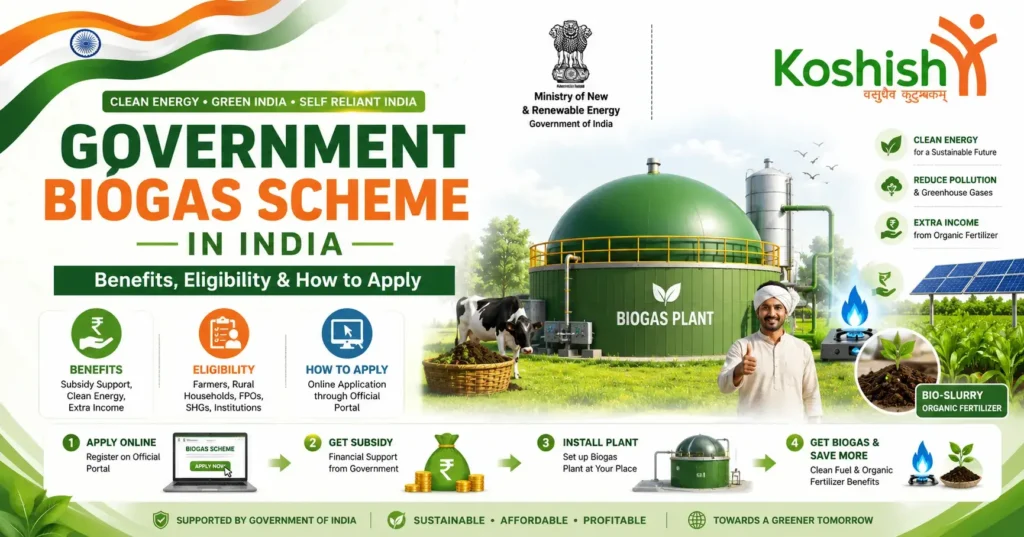
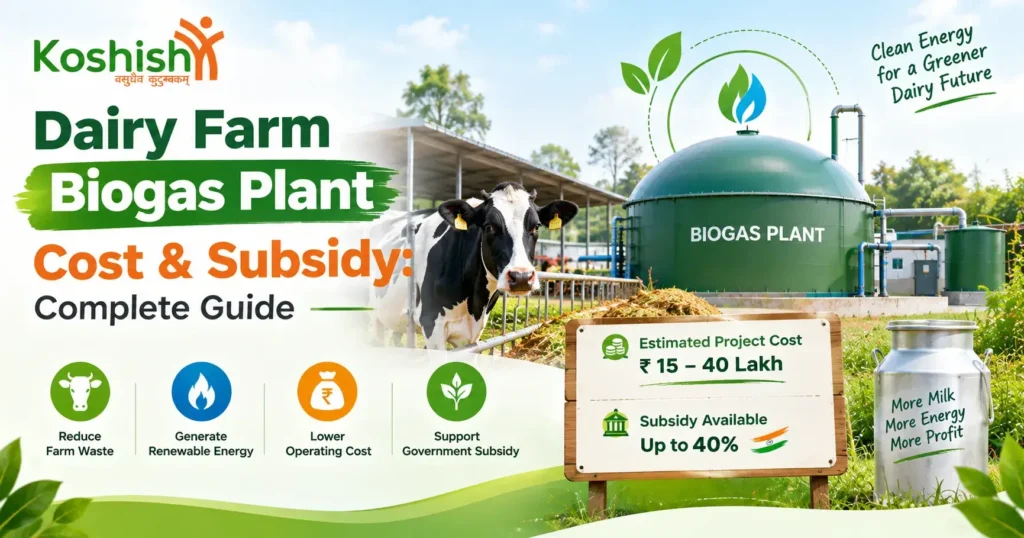
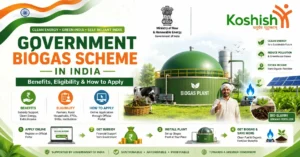
Under the biogas scheme, the Government gives subsidies and financial help to support biogas investment and biogas plant setup. Promoting biogas in India aligns with current biogas market trends, helping reduce greenhouse gas emissions, supporting rural growth, and creating many biogas business opportunities for farmers and entrepreneurs. The subsidy amount depends on the size of the plant.- People living in North Eastern states, hilly areas, and those from SC/ST communities get government subsidies to install small biogas plants.
- Families using cow dung biogas plants with toilets and a slurry filter get an extra ₹1,600 from the government. This is only for individual households.
- Farmers who use biogas to run a generator or water pump (with plants of 10 to 25 cubic meters) can get an extra ₹10,000.
- Medium-sized biogas plants in North Eastern states, cow shelters, and for SC/ST people get 20% more subsidy.
- The government subsidies for biogas small plants (1 to 25 cubic meters per day), the government offers subsidies from ₹9,800 to ₹70,400.
- These subsidies open up more biogas business opportunities and encourage biogas investment for small-scale biogas plant setups.
1. CFA for Biogas Plants 1M to 25 M
| Table – I | |||||||
|---|---|---|---|---|---|---|---|
| Sr. No | Particulars of CFA and States | Biogas plant ranging from size 1-25 cubic meters of biogas per day (₹) | |||||
| A | CFA Applicable | 1 M³ | 2-4 M³ | 6 M³ | 8-10 M³ | 15 M³ | 20-25 M³ |
|
17,000 | 22,000 | 29,250 | 34,500 | 63,250 | 70,400 | |
| All other states and categories | 9,800 | 14,350 | 22,750 | 23,000 | 37,950 | 52,800 | |
| B | Additionally Fixed Subsidy 1. If a Biogas plant is connected with a sanitary toilet. 2. If a biogas plant is linked with an MNRE-approved biogas slurry filter unit. | 1600 1600 | 1600 1600 | 1600 1600 | 1600 1600 | NA 1600 | NA 1600 |
| C | This fee includes the full work of building the biogas plant, supervision. It also includes free repair and maintenance for 5 years, so it works without problems. | The government provides ₹3,000 for each biogas plant of size 1 to 10 cubic meters and ₹5,000 for plants of size 15 to 25 cubic meters. This amount is for building the entire plant. It is only for plants built on-site, like the Deenbandhu or KVIC models. It is not given for ready-made or factory-made biogas plants. | |||||
| D | Administrative Charges payable to PIA for the physical target achievement range of biogas plants (Amount in ) | ||||||
| 100 – 1,999 nos. of Biogas Plants. | ₹ 1,00,000 ^ | ||||||
| 2,000 – 5,000 nos. of Biogas plants | ₹ 10,50,000 ^^ | ||||||
| Above 5,000 nos. of Biogas plants | ₹ 24,50,000 * | ||||||
| E | Training Courses (Amount in ₹ per course) | ||||||
|
₹ 4,000 | ||||||
|
₹ 10,000 | ||||||
|
₹ 50,000 | ||||||
|
₹ 75,000 | ||||||
| F | Support for BDTCs | The government will give financial support to Biogas Training Centers (BDTCs). This money will help cover staff salaries, run training programs, and build demo biogas plants. It will also cover awareness programs, materials, and other minor costs. The support will depend on the set targets. | |||||
| G | Incentive for saving fossil fuels & electricity. | The government gives an extra ₹10,000 for using a biogas-powered generator or water pump on small farms. This is for biogas plants between 10 to 25 M³ in size. The machine must work entirely on biogas to get this support. | |||||
| The government gives extra money to agencies (PIAs) that install biogas plants of 1 to 25 m³ size. They get: ^. ₹500 extra for each plant after installing more than 100 plants. ^^. ₹450 extra for each plant after installing more than 2,000 plants. *. ₹400 extra for each plant after installing more than 5,000 plants. The maximum extra money they can get is ₹60 lakh. | |||||||
2. CFA for Medium-Sized Biogas Plant:
The government gives financial help (CFA) for medium biogas plants that produce 25 to 2500 m³ of biogas per day. The exact amount is shown in the table below.| Table – II | |||||
|---|---|---|---|---|---|
| Power generation capacity KW | Requirement of DPR | CFA ** limited to the following ceiling limit | Administrative Charges for PIA* | ||
| Power Generation | Thermal Application | Power Generation | Thermal Application | ||
| 3 KW – 50 KW | No | ₹ 45,000 per KW | ₹ 22,500 per KWeq thermal/cooling | 10% of the CFA | 5 % of the CFA |
| > 50 KW – 200 KW | Yes | ₹ 40,000 per KW | ₹ 20,000 per KWeq thermal/cooling | ₹ 2,00,000 fixed | ₹ 1,00,000 fixed |
| > 200 KW- 250 KW | Yes | ₹ 35,000 per KW | ₹ 17,500 per KWeq thermal/cooling | ₹ 2,50,000 fixed | ₹ 1,00,000 fixed |
- North Eastern Region (NER)
- Islands
- Registered Gaushalas (cow shelters)
- SC/ST beneficiaries
The Role of Carbon Credits in Biogas Projects
Biogas projects reduce pollution and earn carbon credits. Companies buy these credits to help fund the projects, creating more biogas business opportunities in the clean energy sector. Before, it was hard to trust carbon markets because of unclear rules. Now, new biogas projects use smart technology to track and prove their impact. This transparency enhances confidence and supports investment in biogas business opportunities. Most companies say this tracking is very important when buying credits. They want to make sure their money really helps the environment. Investing in these biogas projects is a perfect option for everyone.Final Thought
Biogas is a clean and eco-friendly energy that is made from organic waste. It helps reduce pollution and can replace fossil fuels for cooking, heating, and electricity. The leftover material from biogas is a natural fertilizer that is healthy for farming. The Government supports biogas through subsidies and training, making it easier and affordable to install biogas plants. This support opens up many biogas business opportunities, especially for farmers, rural areas, and special groups like people in the North East and SC/ST communities. However, installing a large biogas plant can be challenging and costly; new technology and government help are solving these problems. Carbon credits from biogas projects also provide extra funding and support more businesses to join. Biogas is a perfect option for a business opportunity that helps the environment and supports communities. With ongoing government support and new technology, the biogas industry growth is likely to speed up in the next few years.Frequently Aasked Qestions
What kinds of biogas business opportunities are available now?
Biogas business opportunities are growing because more people want clean energy, the government is supporting it, and awareness about sustainability is increasing.
What is the investment for a biogas plant?
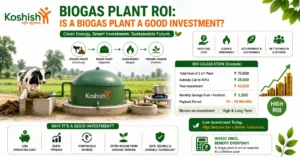
Biogas investment involves funding the setup and operation of biogas plants. The cost to invest in a biogas plant depends on its size, technology, and location.
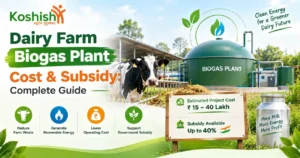
A small 2 cubic meter plant may cost around ₹17,000, while a large 5 TPD (tonnes per day) CBG plant can cost ₹20 to 25 crore. Running a 5 TPD plant can also cost ₹2.5 to 4 crore every year.
What are the latest biogas market trends?
The biogas market trends show rapid growth as more farms and industries start using it. New technology, carbon credit programs, and interest in clean energy continue to increase biogas business opportunities. This growth creates more biogas business opportunities across the country.
How do I start a biogas plant setup?
Before starting a biogas plant setup, it is important to research site conditions, investment needs, and technical requirements. Biogas plant setup starts with choosing the right site, selecting the plant size, and applying for government subsidies. Working with experienced agencies can help ensure smooth construction and operation.
What government subsidies are available for biogas?
The government provides financial support and incentives to support the installation of biogas plants, especially for small and medium-sized setups.
Government subsidies for biogas depend on several factors, such as the size of the plant, its location, and whether the beneficiary belongs to categories such as SC/ST or lives in North Eastern states.
How is India’s biogas industry growth progressing?
The biogas industry growth in India is continuously growing. This is because energy needs are increasing, the government supports clean energy, and new projects and startups are joining the market.