

Why Sewage Treatment Plants (STPs) Are Essential: Benefits For Communities And The Environment
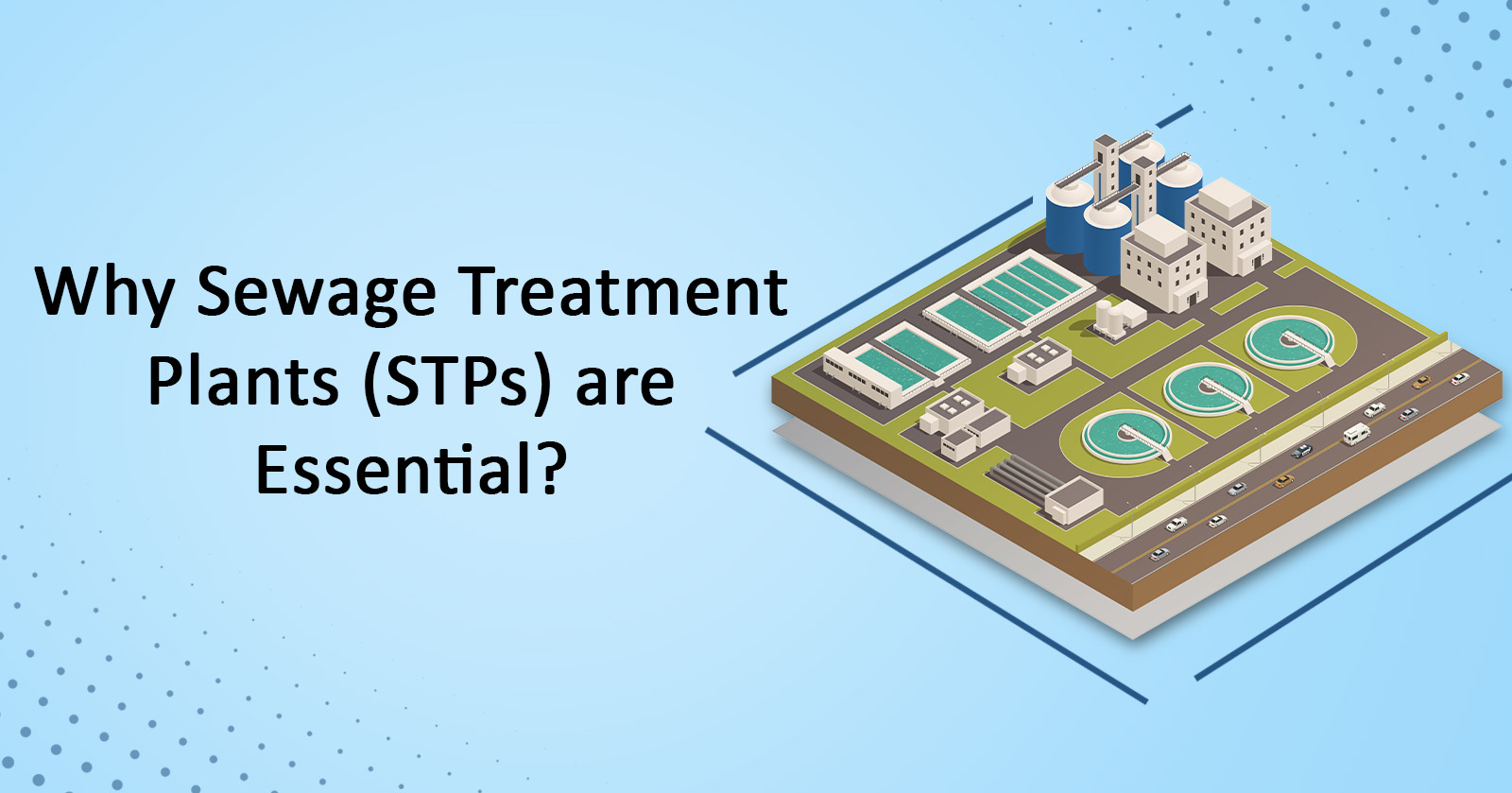
A Sewage Treatment Plant (STP plant) plays an important role in managing wastewater from homes, industries, and commercial buildings. It ensures that wastewater is properly cleaned before being released into the environment. With rapid urban growth and industrialization, the need for a Sewage Treatment Plant has become more important.
Sewage Treatment Plants help protect public health by removing dangerous contaminants from wastewater. They also prevent pollution in rivers, lakes, and groundwater, keeping our environment safe and clean. By recycling and reusing treated water, an STP plant supports sustainable development and helps reduce water scarcity.
The Importance of STPs in Residential Areas:
A Sewage Treatment Plant (STP plant) plays a major role in keeping our environment safe. STP plants use a scientific sewage water treatment process to clean wastewater from homes, industries, and commercial buildings before releasing it safely back into nature. The Sewage treatment benefits do not filter water only; they protect health, save resources, and support sustainable growth.
Protecting Public Health: A Sewage Treatment Plant removes harmful bacteria, viruses, and pathogens from wastewater. Without proper sewage water treatment processes, contaminated water can spread diseases like cholera, typhoid, and dysentery. The STP plant ensures that all harmful substances are removed, keeping treated water safe for reuse or disposal. One of the biggest Sewage treatment benefits is protecting public health and reducing the spread of waterborne diseases.
Preventing Environmental Pollution: Untreated sewage harms rivers, lakes, and oceans by reducing oxygen levels and killing aquatic life. The Sewage Treatment Plant helps prevent this pollution by filtering and purifying wastewater before discharge. Through advanced sewage water treatment processes, an STP plant removes chemicals, nutrients, and solids, maintaining ecological balance and ensuring cleaner water bodies. The Sewage treatment benefits include protecting aquatic ecosystems and reducing environmental damage.
Conserving Water Resources: One of the main Sewage treatment benefits is water conservation. A modern water treatment plant cleans wastewater so it can be reused for irrigation, industry, or even toilet flushing. This reduces the pressure on freshwater sources like rivers and groundwater. Every STP plant plays a vital part in saving water and supporting sustainable living through efficient sewage water treatment processes.
Meeting Environmental Regulations: Every Sewage Treatment Plant must meet strict government standards for wastewater discharge. By following proper sewage water treatment processes, STPs ensure compliance with laws and help avoid penalties. These water treatment plants protect both the environment and business reputation. This makes legal compliance another important Sewage treatment benefit for industries and municipalities.
Supporting Sustainable Development: A Sewage Treatment Plant is essential for sustainable growth. It not only treats wastewater but also recovers valuable resources. Many modern STP plants convert sludge into biogas for power generation and fertilizer for agriculture. This circular process is a major Sewage treatment benefit, helping reduce pollution and energy waste while promoting resource recovery and environmental sustainability.
Enhancing Quality of Life: Clean water is vital for good health and a safe environment. The Sewage Treatment Plant improves community living by keeping the surroundings clean and the water sources free from contamination. Effective water treatment plants reduce disease risks, boost agriculture, and support tourism. These Sewage treatment benefits create healthier and happier communities.
Mitigating Climate Change Impacts:Advanced STP plants use energy-efficient technology and renewable power to reduce their carbon footprint. They also prevent sewage overflow during floods and heavy rains. This makes the sewage water treatment process an important tool in climate adaptation. Among the top Sewage treatment benefits is lowering greenhouse gas emissions and helping fight climate change.
Promoting Industrial Growth and Economic Stability: Industries depend on a reliable Sewage Treatment Plant to treat large volumes of wastewater safely. Proper sewage water treatment processes help industries stay compliant, maintain good public relations, and protect local ecosystems.
STP plants also prevent costly pollution-related damages, supporting long-term economic growth one of the most valuable Sewage treatment benefits for businesses and communities.
STPs in Commercial and Institutional Areas:
Commercial and institutional establishments can gain many benefits from installing Sewage Treatment Plants (STPs) in their infrastructure. These systems not only help meet environmental regulations but also provide major cost-saving and image-building advantages.
Firstly, STP plants help businesses stay compliant with environmental laws and avoid penalties.
Secondly, they reduce water usage and promote eco-friendly operations—saving money while supporting sustainability.
Lastly, investing in a water treatment plant shows a company’s commitment to environmental responsibility, boosting its reputation and attracting eco-conscious customers and partners.
Why STPs are Absolutely Required?
Understanding the importance of Sewage Treatment Plants (STPs) starts with today’s growing challenges. With population rise, sewage generation is increasing, while clean water resources are becoming scarce. This makes STP plants more vital than ever.
STPs help conserve and reuse water, turning wastewater into a valuable resource for flushing, gardening, or industrial use—helping save fresh water.
In the long run, installing a water treatment plant is not only an environmentally responsible step but also a smart financial decision. It supports sustainability, reduces water costs, and promotes a cleaner, greener future for businesses and communities alike.
Koshish Rewater – Your Partner in STP Solutions
At Koshish Rewater, we provide end-to-end Sewage Treatment Plant (STP) solutions designed to make wastewater management simple, efficient, and sustainable. Our goal is to help industries, commercial spaces, and residential communities reuse water responsibly and reduce their environmental impact.
With years of expertise, we design and install STP plants that meet the latest environmental standards while ensuring long-term performance and low maintenance costs. From planning and installation to operation and maintenance, Koshish Rewater offers complete support at every stage.
Our water treatment plants not only help clients stay compliant with pollution control norms but also promote water reuse, making every drop count. Partner with Koshish Rewater to create a cleaner, greener, and more sustainable future through smart and reliable STP solutions.
Conclusion
A Sewage Treatment Plant (STP plant) plays a crucial role in maintaining clean water and a healthy environment. It helps manage wastewater responsibly, protects natural water bodies, and ensures that communities have access to safe, reusable water.
By adopting efficient sewage water treatment processes, both communities and industries can enjoy the long-term Sewage treatment benefits, including water conservation, pollution control, and resource recovery.
Choosing the right water treatment plant partner, like Koshish Rewater, ensures reliability, compliance, and sustainability. Together, we can transform wastewater into a valuable resource and build a greener, more sustainable future for all.
Frequently Asked Questions (FAQs)
Question: How is an STP plant different from an ETP?
Answer: An STP plant treats domestic sewage, while an Effluent Treatment Plant (ETP) handles industrial wastewater containing chemicals.
Question: How does a water treatment plant differ from an STP?
Answer: A water treatment plant treats drinking or surface water, while an STP plant focuses on cleaning sewage and wastewater.
Question: How long does the sewage water treatment process take?
Answer: Depending on plant size and technology, the sewage water treatment process can take from a few hours to a full day.
Question: What are the main sewage treatment benefits?
Answer: The main sewage treatment benefits include clean water, pollution reduction, water recycling, and improved public health.