
Why Poultry Waste is Becoming a Valuable Energy Resource
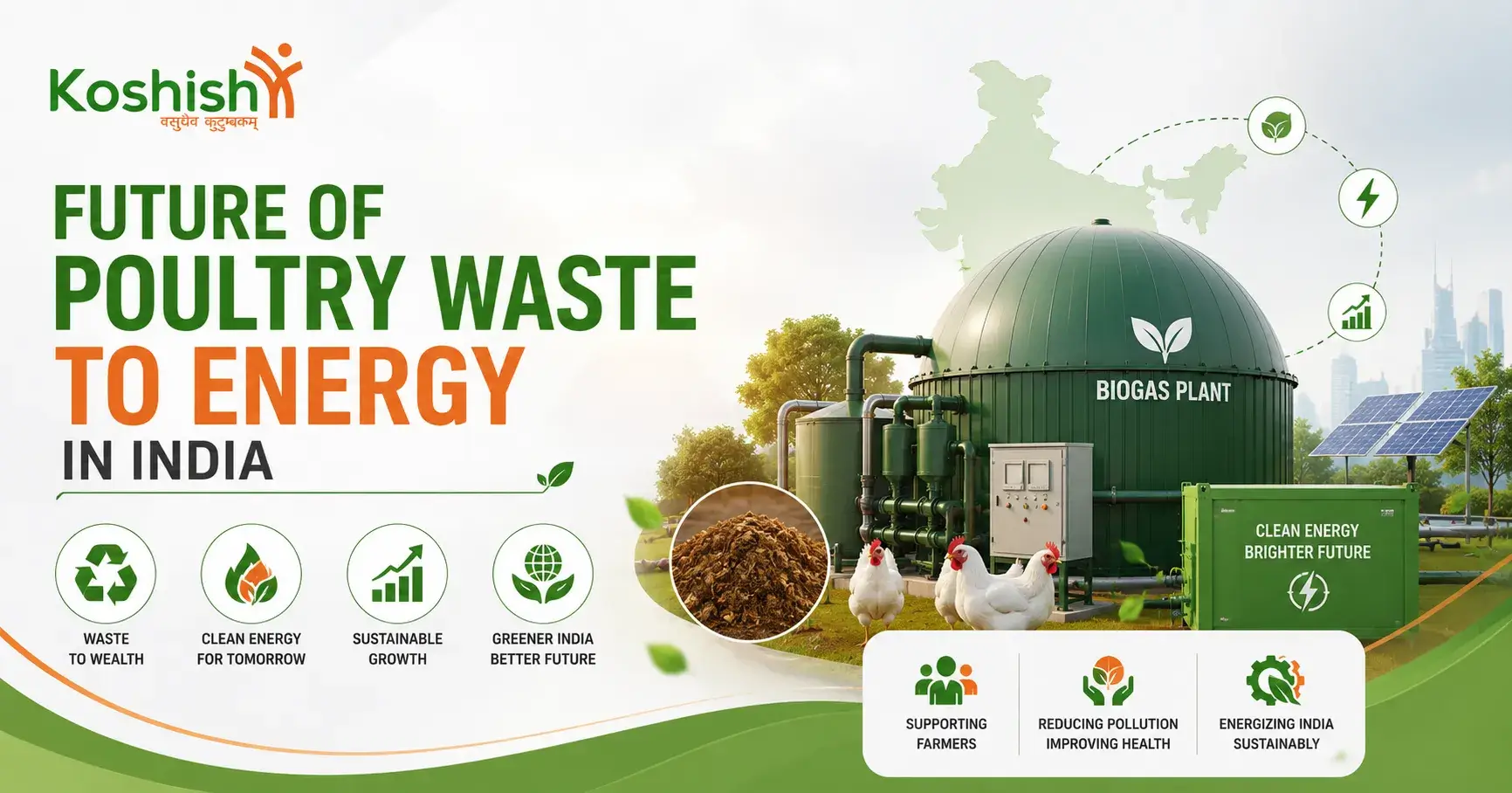
As we already discussed above, the poultry waste is increasing rapidly every day. Although daily, a significant amount of poultry waste is collected. Instead of treating it as a waste disposal problem, through a commercial biogas plant, it is converted into valuable energy, which is further used as cooking gas, generating electricity, and organic fertiliser. As poultry litter is rich in organic matter, it makes it better for anaerobic digestion to take place and produces biogas. This approach reduces environmental pollution, improves waste management, and supports a circular economy by creating multiple revenue streams from the biogas market for poultry in India.Current Status of Poultry Waste-to-Energy in India
Currently, in India, the poultry industry alone produces 3.30 million tons of organic waste every year. The urgency for a sustainable solution has become important for poultry litter management. If the removal procedure is not done appropriately. It causes detrimental environmental pollution and affects birds’ health. Poultry waste-to-energy in India has made various changes in disposing of the poultry waste. The production of renewable energy in poultry farms leads to a reduction in energy costs and GHG emissions. Now, the poultry farmers are using biogas energy. At the same time, private developers and EPC companies are investing in advanced biogas technologies. The National Bioenergy Programme (2021–26), with an outlay of ₹858 crore, and the MNRE Waste-to-Energy Programme support this growth by providing Central Financial Assistance (CFA), including up to ₹4 crore per 4,800 kg/day bio-CNG capacity for eligible new plants.Major Market Trends Driving Poultry Waste-to-Energy
The major market trends to drive poultry waste-to-energy- Rising Renewable Energy Demand: As India shifts toward clean energy, the demand for biogas and CBG continues to grow.
- Growth of Compressed Biogas (CBG): Moreover, advanced upgrading technologies are making CBG a practical replacement for fossil fuels.
- Waste-to-Wealth Business Models: In addition, poultry waste creates multiple revenue streams through energy, organic manure, carbon credits, and waste management services.
- Increasing Corporate Investments: Meanwhile, more companies and investors are funding poultry waste-to-energy projects across India.
- Technology Improvements: As a result, modern biogas technologies improve methane recovery, increase efficiency, and reduce operating costs.
Government Policies Supporting Poultry Waste-to-Energy
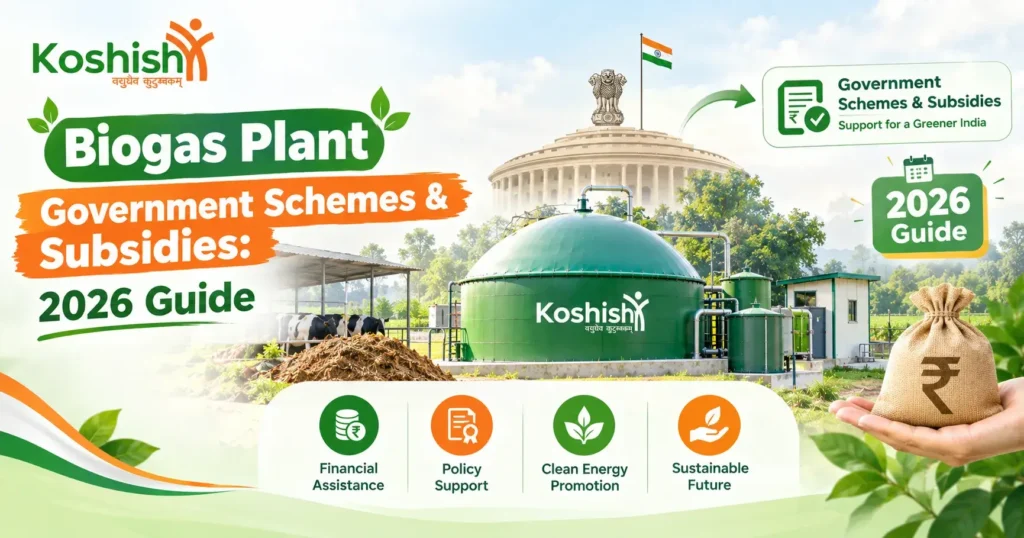
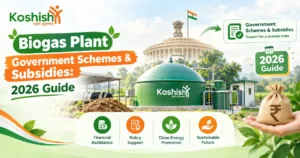
There are various government policies and schemes that support renewable energy in poultry farms, which are as follows: National Bioenergy Programe- The National Bioenergy Programme promotes clean energy production from organic waste.
- It also provides financial assistance for eligible biogas and bio-CNG projects.
- Additionally, the scheme supports projects that meet the prescribed technical and operational guidelines.
- The GOBARdhan Initiative converts organic waste into valuable resources through a waste-to-wealth approach.
- It also encourages community and commercial biogas plants across India.
- Moreover, it supports the scientific use of organic waste for clean energy and organic manure.
- Under SBM (Grameen) Phase II, eligible community or cluster biogas plants can receive assistance of up to ₹50 lakh per district.
- Currently, the GOBARdhan Portal has 1,736 registered biogas plants, of which 1,269 are functional.
- In addition, the portal has 1,215 registered CBG projects, with 163 functional CBG plants.
- The SATAT Initiative promotes the production and use of compressed biogas (CBG).
- It also creates new market opportunities for Bio-CNG producers.
- Furthermore, it encourages the replacement of fossil fuels with cleaner renewable fuels.
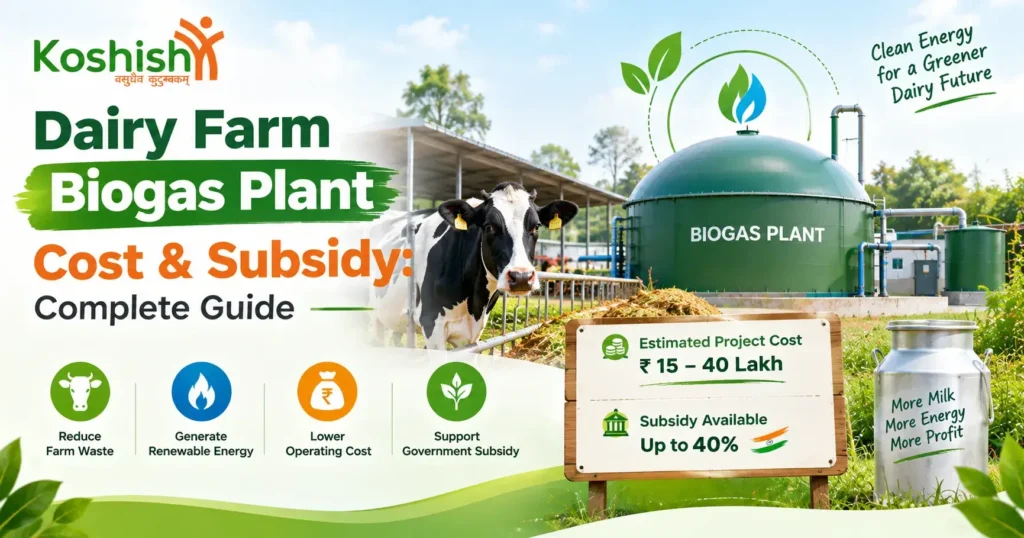
- The MNRE Waste-to-Energy Program provides capital subsidies for eligible projects.
- It also offers technical support for efficient project development and operation.
- Moreover, the program helps India achieve its renewable energy and climate goals.
Wrapping Up
The future of poultry waste-to-energy in India looks sustainable and pollution-free. Growing demand for renewable energy, expanding CBG production, supportive government policies, and better biogas technologies are driving this transformation. At the same time, farmers are realizing that poultry waste is not just a disposal challenge but also a valuable energy resource. As India moves toward a circular economy and cleaner energy systems, poultry waste will play an increasingly important role. By converting waste into biogas, electricity, CBG, and organic fertilizer, poultry farms can reduce pollution, improve profitability, and support a greener future. Therefore, investing in poultry waste-to-energy solutions today can create long-term environmental and economic benefits for both farmers and the nation.Add Your Heading Text Here
What is poultry waste-to-energy?
Poultry waste-to-energy is simply turning poultry waste into biogas energy via a commercial biogas plant. Through the anaerobic digestion process, the poultry litter turns into valuable energy and is further used for cooking and generating electricity, and organic fertiliser is extracted.
Can poultry waste be used to produce CBG?
Yes. After purification and upgrading, raw biogas from poultry waste can be converted into compressed biogas suitable for industrial and transport applications. It is the best alternative to fossil fuels and natural gas.
Which government schemes support poultry waste-to-energy projects in India?
There are various government schemes that support poultry waste-to-energy projects in India, such as the SATAT scheme, the Gobardhan scheme, national bioenergy programs, and MNRE waste-to-energy programs.
Is a poultry biogas plant profitable?
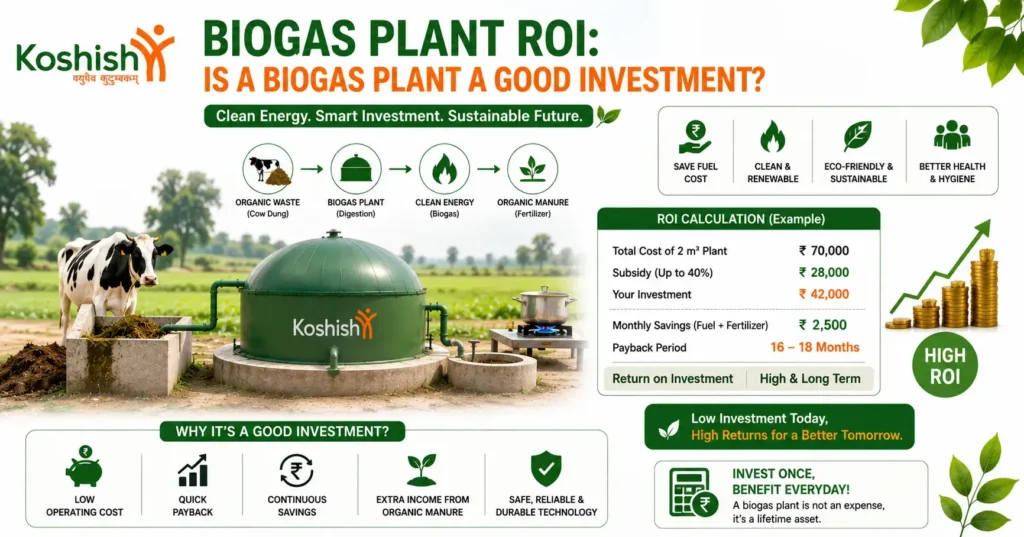
Absolutely, a poultry biogas plant is very profitable, as it has many benefits, such as the poultry waste management being done appropriately. Cost savings on energy, cooking gas, and power generation, which cuts half of the electricity cost. Lowers GHG emissions that impact the environment.