
Food waste is a big problem for homes, hotels, restaurants, canteens, and food factories. Every day, large amounts of food scraps are thrown away. As a result, this waste can create bad smells, attract pests, and add to landfill waste.
However, there is a better way to manage it. A food waste biogas plant can turn food waste into useful energy. In addition, it can produce organic manure that can be used for plants and farms. Therefore, many businesses are now looking at food waste to biogas as a clean and useful waste management option.
What Is a Food Waste Biogas Plant?
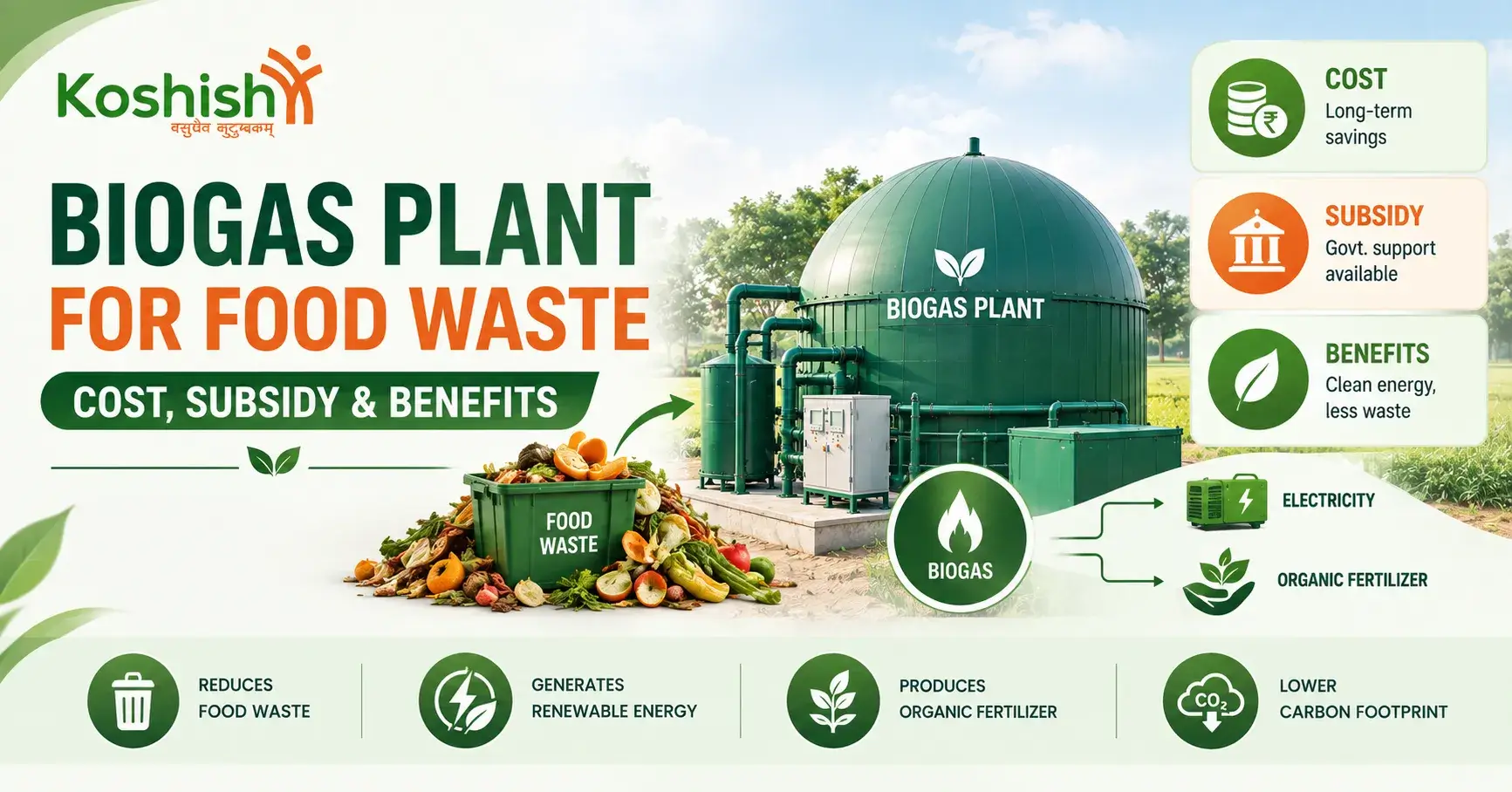
A food waste biogas plant is a system that uses food waste to make biogas. The process takes place inside a closed tank called a digester.
First, food waste is collected and prepared. Next, it is mixed with water and sent into the digester. Then, natural bacteria break down the waste without oxygen. This process is called anaerobic digestion.
As a result, the plant produces biogas. This gas mainly contains methane and can be used for heat, cooking, or power generation. At the same time, the process creates a nutrient-rich material called digestate or bio-manure.
How Does Food Waste to Biogas Work?
The food waste to biogas process is simple:
- Waste collection: Food scraps are collected from kitchens, hotels, restaurants, or factories.
- Waste sorting: Plastic, metal, and other unwanted items are removed.
- Waste preparation: The food waste is crushed and mixed with water if needed.
- Digestion: The prepared waste enters the digester.
- Biogas production: Bacteria break down the waste and produce biogas.
- Gas use: The biogas can be used for cooking, heating, or electricity.
- Manure recovery: The remaining digestate can be used as organic manure.
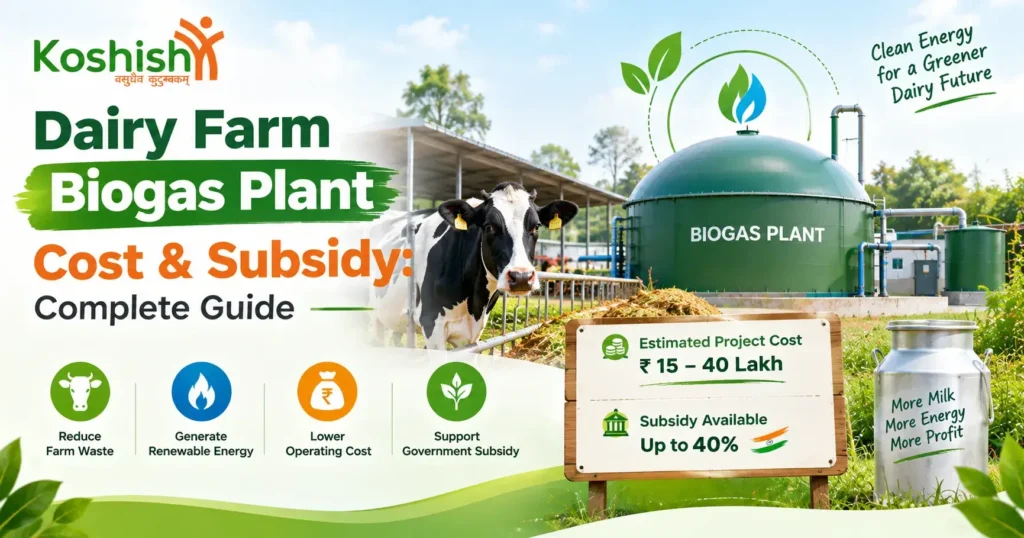
Food Waste Biogas Plant Cost
The food waste biogas plant cost depends on several factors. Therefore, there is no single price for every project. The main factors include:
- Amount of food waste available each day
- Type and quality of waste
- Plant capacity
- Digester size
- Waste pre-treatment system
- Gas storage system
- Power generation equipment
- Land and civil work
- Automation level
- Installation and maintenance needs
For example, a small plant for a hotel will need less equipment than a large plant for a food processing factory. Therefore, the food waste biogas plant cost can vary greatly from one project to another.
Before investing, businesses should study the daily waste quantity and the expected energy output. This helps them choose the right plant size.
Is a Food Waste Biogas Plant Expensive?
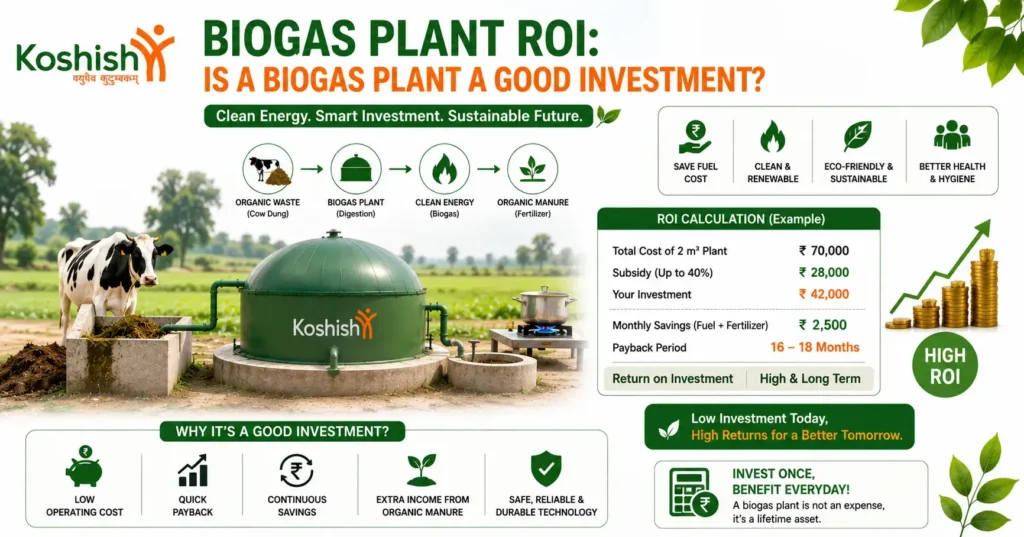
At first, the food waste biogas plant cost may seem high. However, it is important to look at the long-term benefits.
For example, a business may save money on waste transportation and disposal. Moreover, it may reduce its use of LPG, natural gas, or grid electricity. The plant can also create useful bio-manure. Therefore, the total value of the project is more than the cost of the equipment alone.
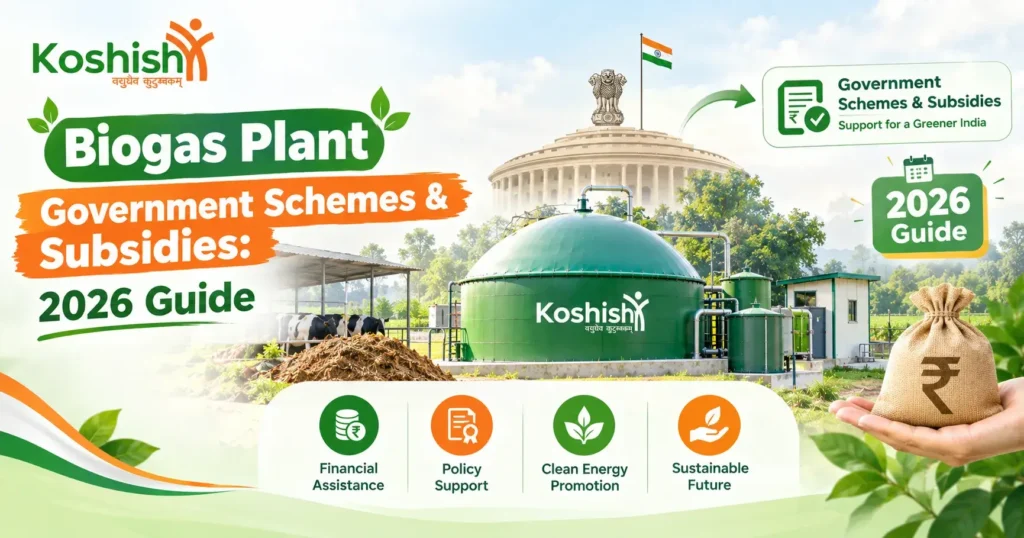
Biogas Plant Subsidy in India
The government supports several renewable energy and waste-to-energy projects through different schemes. However, the amount and eligibility rules can change based on the scheme, project type, capacity, and application conditions.
A biogas plant subsidy may help reduce the initial investment for eligible projects. Furthermore, businesses should check the latest government guidelines before making an investment decision.
The biogas plant subsidy available for a project can depend on factors such as:
- Plant capacity
- Type of waste used
- Technology selected
- End use of biogas
- Project location
- Applicable government programme
Therefore, businesses should confirm the current subsidy rules with the concerned government department or an approved project consultant.
Key Benefits of a Food Waste Biogas Plant
A food waste biogas plant offers several useful benefits.
- Better Waste Management: First, it helps businesses manage food waste in a cleaner way. Instead of sending all the waste to a landfill, businesses can use it to produce energy.
- Renewable Energy: Next, the plant produces biogas from organic waste. This energy can be used for cooking, heating, or electricity generation.
- Lower Waste Disposal Costs: Moreover, businesses can reduce the amount of waste that needs to be transported and disposed of. Therefore, they may lower their waste management expenses.
- Organic Manure: The digestion process also produces digestate. In many cases, this material can be processed and used as organic manure.
- Lower Environmental Impact: Furthermore, better food waste management can reduce the amount of organic waste sent to landfills. It also supports the use of renewable energy.
Why Choose an Organic Waste Biogas Plant?
An organic waste biogas plant can handle different types of biodegradable waste. Depending on the plant design, this may include food scraps, vegetable waste, fruit waste, and other suitable organic materials.
As a result, businesses that produce large amounts of organic waste can turn a waste problem into a useful resource.
However, proper waste segregation is very important. Plastic, glass, metal, and other non-biodegradable materials should be removed before the waste enters the system.
Who Can Use a Food Waste Biogas Plant?
A food waste biogas plant can be useful for many organisations, including:
- Hotels and restaurants
- Food processing units
- Hostels and canteens
- Large residential communities
- Hospitals
- Institutions
- Markets
- Vegetable and fruit markets
Therefore, any organisation with a steady supply of suitable organic waste can explore this solution.
Which is the Best Biogas Plant Solution Provider?
There are various best biogas companies in India that provide biogas solutions, but choosing the right company is important. A good company should understand your waste, plant size, and energy needs. Also, it should provide support from plant design to installation and operation.
Koshish India is a trusted name fororganic waste biogas plant solutions in India. The company provides biogas solutions for farms, dairies, poultry units, industries, and other waste-producing businesses. Moreover, the team at Koshish India helps with plant design, waste study, installation, and project support. This makes the process easier for customers.
If you are looking for the best biogas plant solution provider, Koshish Sustainable Solutions is the best choice for your project. The company works on different types of biogas projects based on the type and amount of waste available.
Wrapping Up
Food waste does not always have to be treated as useless waste. Instead, it can become a source of renewable energy and organic manure. Although the food waste biogas plant cost depends on plant size, technology, and waste quantity, the system can offer long-term value.
Moreover, a suitable organic waste biogas plant subsidy may help eligible projects reduce their initial investment. Ultimately, food waste to biogas is a smart step toward cleaner waste management, renewable energy, and a more circular economy.