
Overview of Biogas Plant
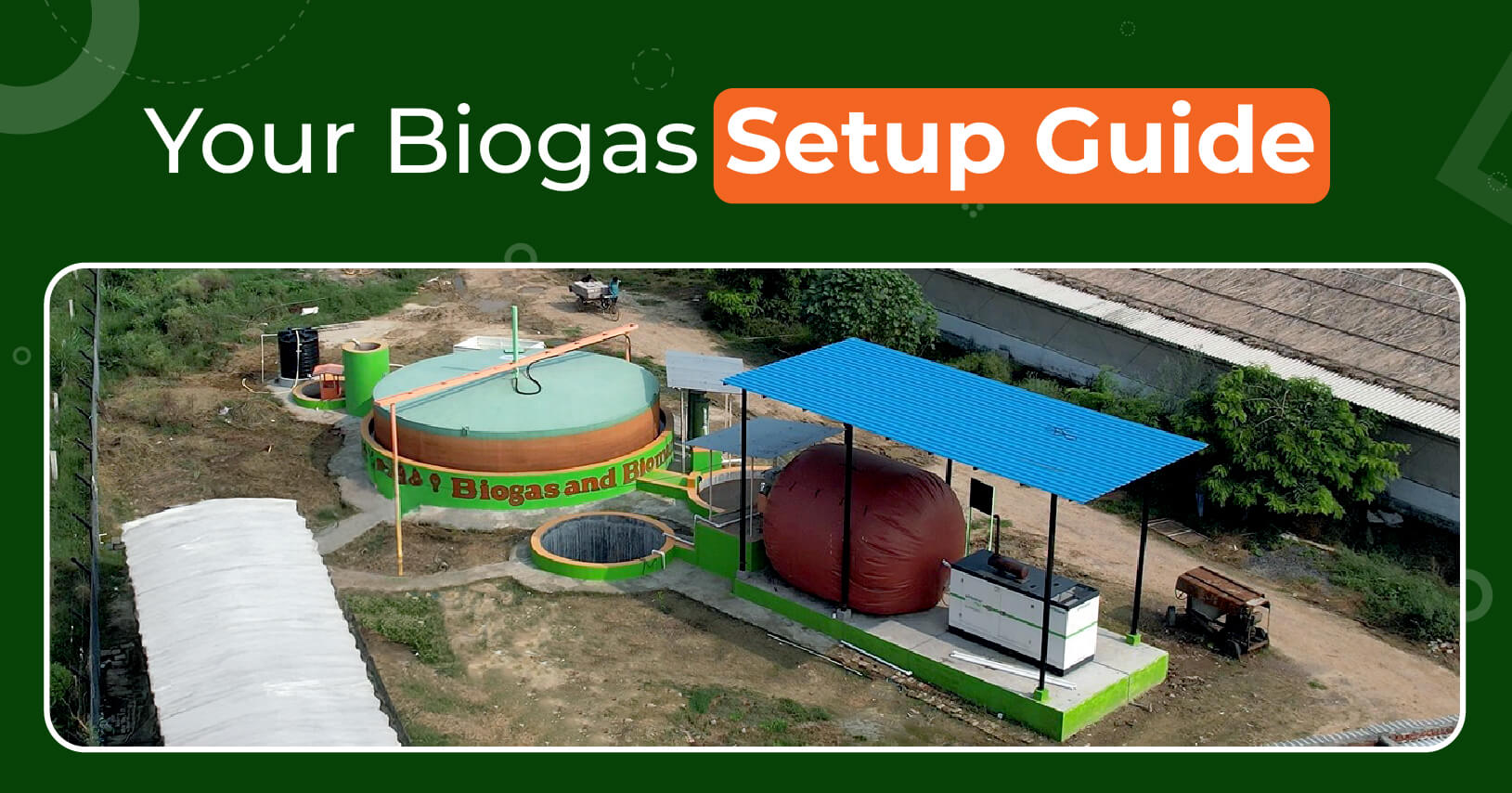
Biogas is a sustainable, eco-friendly, and renewable energy source, it produced through the natural process of breaking down organic matter. Daily use waste, including crop residues, animal manure, food waste, and even sewage, can be used to produce this clean fuel. When organic waste is kept in a place without oxygen, small organisms break it down and produce biogas, which is a mixture of methane and carbon dioxide.Benefits of an Industrial Biogas System
Biogas is Eco-Friendly
Biogas is a clean and renewable source of energy that is made from waste. An industrial biogas system does not produce pollution and even helps reduce harmful greenhouse gases in the air. Biogas is a gas produced from natural resources without burning; it does not release extra smoke or carbon into the atmosphere.Biogas Generation Reduces Soil and Water Pollution
When waste piles up in landfills, it not only smells bad but also leaks harmful liquids into the soil and underground water. Biogas plants help solve this problem by using waste in an organic way. The process of making biogas kills germs and parasites, which reduces the risk of waterborne diseases.Biogas Generation Produces Organic Fertilizer
The biogas process also gives a by-product called organic digestate. It works like a natural fertilizer and can replace chemical ones. This fertilizer helps plants grow better and fight diseases, while chemical fertilizers can harm health and the environment.Promoting Agriculture
Biogas plants help farmers in many ways. They reduce energy costs, give extra income, and make farming more sustainable by turning organic waste into useful energy and fertilizer.Environmental Sustainability
Using biogas and biofuels reduces harmful greenhouse gases and helps protect the environment.Biogas Plant Installation Stages
Step 1: Project Outline- Check if enough raw materials (waste, manure, crops) are available for the long term.
- Study how changes at the site may affect the plant.
- Visit existing biogas plants to learn from their experience.
- Understand what types of plants and technologies are available in the market.
- Confirm raw material supply and check if a study is needed.
- Hire an experienced biogas engineer or consultant.
- Decide the type and size of the plant.
- Select the construction method and site location.
- Check nearby power/gas connection points.
- Identify sources of raw materials (animal waste, crop waste, food waste, etc.).
- Check their quality, availability, and cost (including transport).
- Plan storage and any pretreatment needed.
- Choose reliable long-term suppliers.
- Check land size, soil quality, and infrastructure.
- Look at transport access for trucks.
- Study options for using heat and electricity produced.
- Evaluate power/water connections nearby.
- Involve local people and authorities early.
- Estimate how much raw material (substrate) will come in.
- Plan for delivery, storage, and handling inside the plant.
- Arrange agreements with suppliers.
- Plan how to store and use the leftover digestate.
- Decide between wet or dry digestion.
- Choose plant components (digester, gas tank, agitators, storage, etc.).
- Select reliable technology and local maintenance partners.
- Decide how to use the biogas:
- For electricity and heat (CHP unit).
- For cooling (trigeneration).
- Upgrade to natural gas quality.
- Use as vehicle fuel.
- Plan for heat recovery and efficient use.
- Prepare a detailed cost estimate (construction, raw materials, labour, maintenance, insurance, etc.).
- Explore subsidies, government support, or funding options.
- Do a profitability analysis before final approval.
Industrial Biogas System Government Support
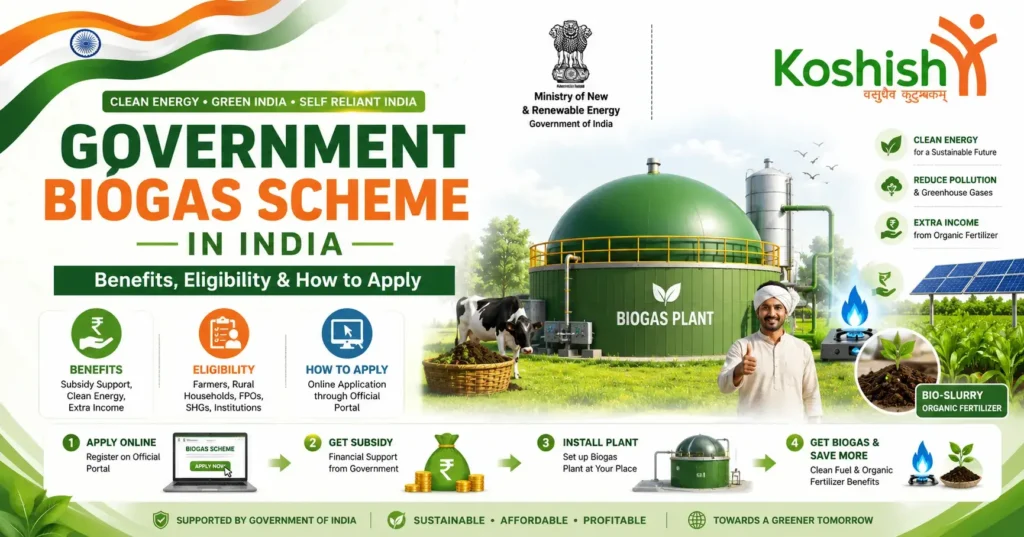
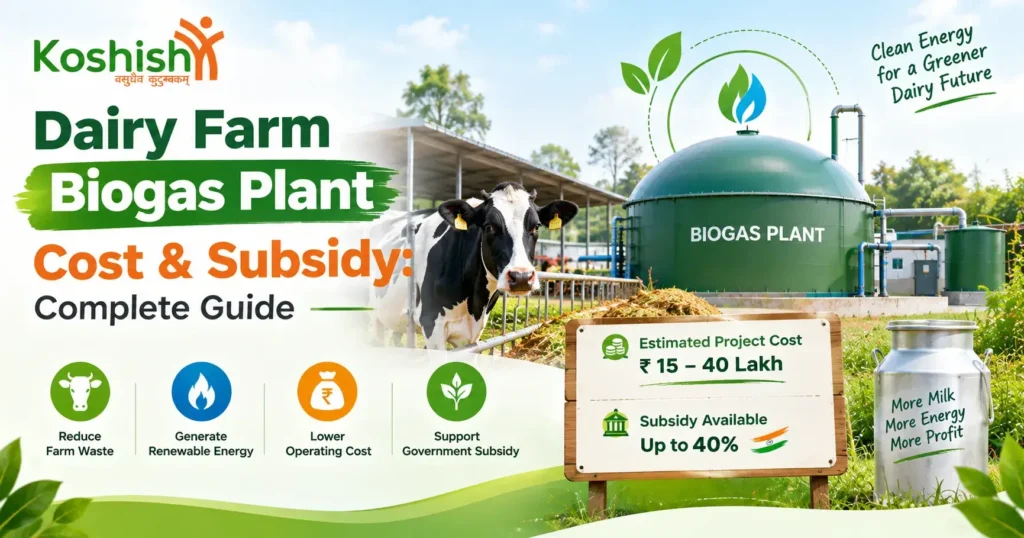
The Government supports industrial biogas systems through subsidies. They provide financial support for setting up biogas plants. Under this initiative, a subsidy of 15–20% is offered on the total project cost of biogas plant installation.The main objectives of providing a subsidy:
- It reduces the upfront investment required by farmers, industries, and institutions.
- Promotes biogas as a clean alternative to coal, LPG, or diesel.
- Improves waste management and cuts down pollution.
- Encourages both villages and cities to use renewable energy.
Summary
For businesses, an industrial biogas system or a commercial biogas setup, biogas system is not just about clean & green energy. It is a smart decision to reduce power bills and manage waste effectively. Industrial biogas systems reduce waste, produce clean energy and not affect the environment. Whether it’s a biogas plant installation for a factory, or an industrial biogas system for large-scale industrial biogas system use, it reduces energy costs, better waste management, and supports a clean and green environment. With government subsidies of 15–20% and growing demand for renewable energy for industries, this is the right time for businesses to adopt biogas solutions.Frequently Asked Questions
What is involved in biogas plant installation for businesses?
Biogas plant installation involves setting up a system that converts organic waste into energy through anaerobic digestion. For businesses, this includes waste assessment, system design, equipment selection, and installation of digesters, pipelines, and storage units. A well-planned commercial biogas setup ensures efficient waste processing and consistent gas production. Companies adopting this solution benefit from reduced waste disposal costs and access to clean energy, making it a smart investment for sustainable operations.
How does an industrial biogas system benefit businesses?
An industrial biogas system helps businesses turn organic waste into valuable energy, reducing reliance on traditional fuels. It supports renewable energy for industries by generating biogas that can be used for heating, electricity, or fuel. This not only lowers operational costs but also reduces carbon emissions. Additionally, businesses can improve their sustainability profile and comply with environmental regulations, making biogas systems both an eco-friendly and cost-effective solution.
What factors should be considered before installing a commercial biogas setup?
Before investing in a commercial biogas setup, businesses should evaluate waste availability, space requirements, and budget. Proper planning for biogas plant installation also includes assessing energy needs, local regulations, and maintenance capabilities. Choosing the right technology and capacity ensures optimal performance and return on investment. Partnering with experienced providers can further streamline the process and ensure long-term efficiency and reliability.
What is the cost and ROI of biogas plant installation?
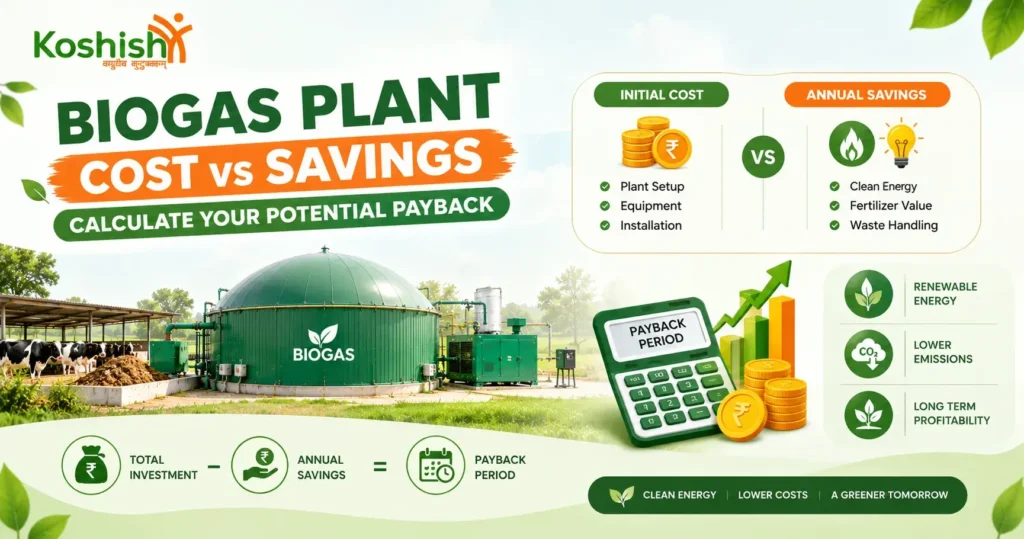
The cost of biogas plant installation varies depending on size, technology, and waste processing capacity. While initial investment may seem high, a well-designed industrial biogas system offers strong returns through savings on fuel, electricity, and waste disposal. Many businesses recover their investment within a few years. Additionally, government incentives and sustainability benefits further enhance ROI, making it a financially viable solution for long-term growth.
How does biogas support renewable energy for industries?
Biogas plays a key role in renewable energy for industries by converting organic waste into a reliable energy source. A commercial biogas setup allows businesses to produce their own fuel, reducing dependence on fossil fuels. This not only cuts energy costs but also lowers greenhouse gas emissions. By integrating biogas systems, industries can achieve sustainability goals while improving operational efficiency and environmental responsibility.