
Navigating the Challenges and Opportunities of Faecal Sludge Management (FSM)
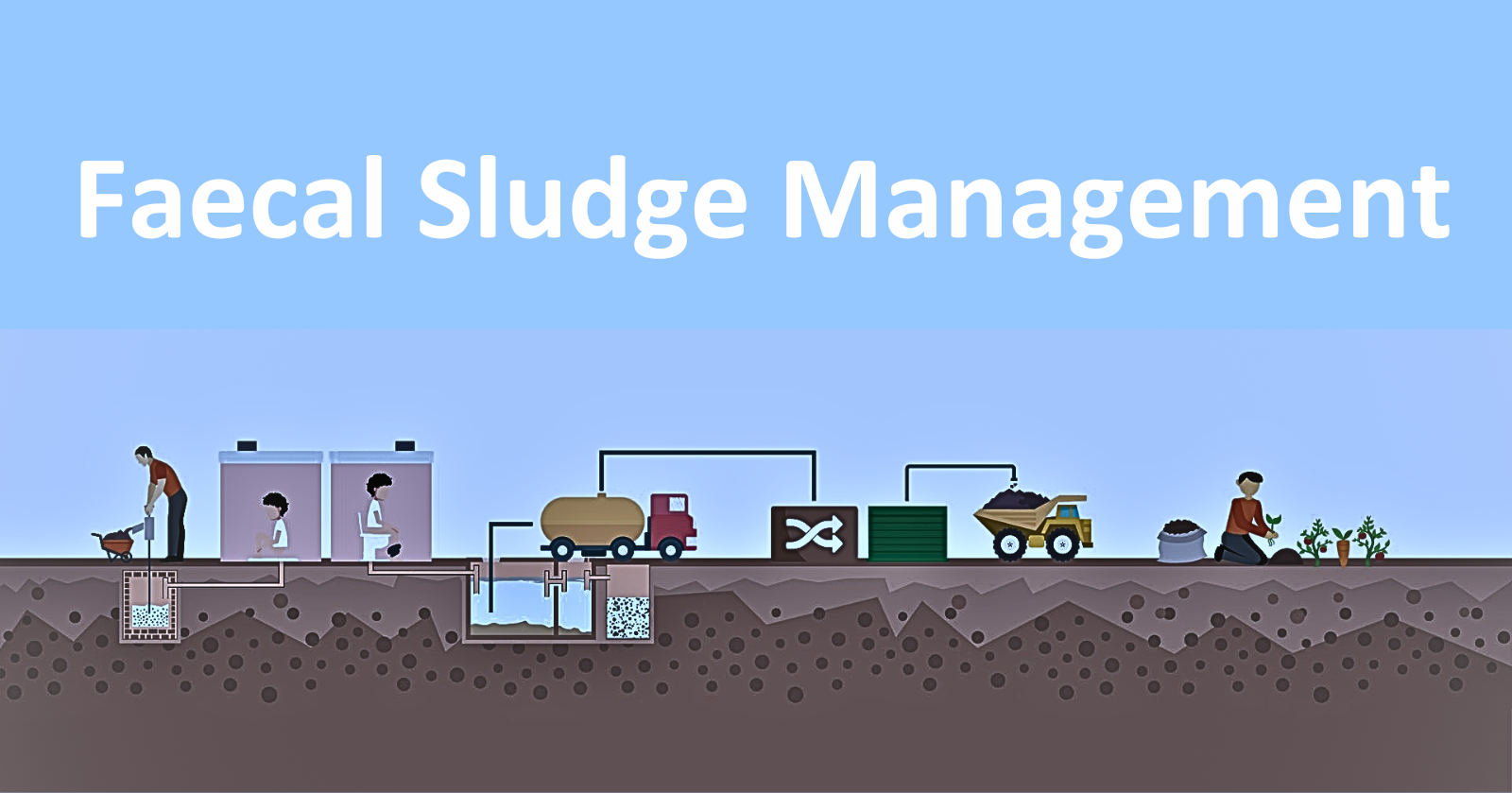
In the effort to keep communities healthy and protect the environment, Faecal sludge treatment and management have become increasingly important. Faecal Sludge Management (FSM) focuses on safely handling toilet waste, including its collection, transport, faecal sludge treatment, and disposal or reuse. Understanding FSM and wastewater treatment together is essential for building sustainable sanitation systems in rapidly growing urban areas.
Definition of Faecal Sludge
Proper Faecal sludge treatment is vital for reducing pollution, safeguarding health, and promoting environmental sustainability. By managing sludge effectively, communities can minimize water contamination, complement wastewater treatment efforts, and enhance sanitation outcomes across cities.
Importance of Faecal Sludge Management (FSM) in Public Health and Environmental Sustainability
Effective FSM plays a pivotal role in preventing the spread of waterborne diseases and safeguarding environmental ecosystems. By properly managing faecal sludge, communities can mitigate health risks associated with untreated waste, reduce water contamination, and promote sustainable sanitation practices.
Protect the Environment: Faecal sludge treatment prevents the contamination of soil and water, preserving ecosystems and reducing pollution levels.
Reduce Health Risks: An effective wastewater treatment and sludge management system prevents the spread of diseases like cholera and typhoid, ensuring safer communities.
Building a Sustainable Future: FSM and wastewater treatment are both crucial for achieving Sustainable Development Goals (SDGs) by ensuring clean water, proper sanitation, and sustainable urban development.
Turning Waste into Resources: When properly processed, faecal sludge treatment transforms waste into valuable resources like fertilizer and biogas, a step toward circular economy practices.
Challenges in Faecal Sludge Management
Despite its importance, faecal sludge treatment faces multiple challenges due to poor infrastructure and limited technical capacity.
- Health Risks: Improper FSM can lead to the spread of diseases such as cholera, typhoid, and diarrhoeal illnesses, disproportionately affecting vulnerable populations.
- Infrastructure Deficits: Many urban areas lack adequate sewage systems and treatment facilities, exacerbating the burden of faecal sludge management.
- Limited Resources: Financial constraints, technical expertise shortages, and institutional capacity gaps hinder the implementation of comprehensive FSM strategies.
Components of Faecal Sludge Management
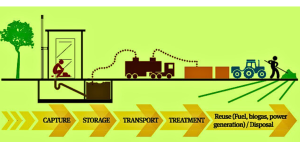
Understanding the composition and characteristics of faecal sludge is fundamental to devising effective management strategies. Faecal sludge comprises organic matter, pathogens, nutrients, and various contaminants, necessitating tailored approaches for collection, transportation, and treatment.
Faecal Sludge Management Collection
Efficient collection methods and technologies are essential for ensuring the timely and thorough removal of faecal sludge. Common approaches include:
- Vacuum Trucks: These specialised vehicles utilise suction mechanisms to extract sludge from septic tanks and other containment systems.
- Manual Emptying: In areas with limited access to machinery, manual labour is employed for sludge removal, albeit with increased health and safety risks.
Challenges such as accessibility, safety concerns, and logistical constraints often complicate the collection process, particularly in densely populated urban settlements.
Transportation of Faecal Sludge
Once collected, faecal sludge must be safely transported to treatment facilities or disposal sites. Transport vehicles must adhere to stringent hygiene standards and logistical considerations to prevent spillage, contamination, and odour nuisances.
Treatment of Faecal Sludge
Treatment technologies play a crucial role in transforming raw faecal sludge into safer, environmentally sustainable by-products. Common treatment methods include:
- Anaerobic Digestion: This biological process breaks down organic matter in the absence of oxygen, producing biogas for energy generation and biofertilizers for agricultural use.
- Composting: Faecal sludge can be composted with organic materials to produce nutrient-rich soil amendments suitable for crop cultivation.
- Drying Beds: Solar drying beds facilitate the dewatering and stabilisation of sludge, reducing volume and pathogens before final disposal or reuse.
However, challenges persist in scaling up treatment infrastructure, optimising process efficiency, and addressing emerging contaminants in treated sludge.
Reuse and Disposal of Treated Faecal Sludge
Treated faecal sludge offers opportunities for resource recovery and environmental stewardship. By harnessing energy, nutrients, and organic matter from treated sludge, communities can promote circular economy principles and mitigate the environmental impact of waste disposal.
Regulatory Framework and Policy Considerations
Effective FSM requires robust regulatory frameworks and supportive policy environments at both national and international levels. Guidelines for FSM governance, sanitation standards, and institutional coordination are essential for guiding implementation efforts and ensuring compliance with public health and environmental regulations.
Future Directions and Challenges
As urbanisation accelerates and climate change impacts intensify, the demand for sustainable FSM solutions will continue to grow. Embracing emerging technologies, strengthening partnerships, and prioritising sanitation investments are critical for achieving the Sustainable Development Goals (SDGs) and advancing global health and environmental objectives.
Final Thought
Faecal Sludge Management is a multifaceted endeavour that requires coordinated efforts from governments, civil society, and the private sector to ensure public health, environmental sustainability, and social equity.
By addressing the challenges of FSM with innovative solutions and inclusive policies, we can create healthier, more resilient communities for generations to come. Sustainable sanitation systems ensure long-term solutions for waste management by focusing on safe treatment, reuse, and minimal environmental impact.
Frequently Asked Questions (FAQs)
Question: What is faecal sludge management?
Answer: Faecal sludge is a combination of solid and liquid waste that builds up in onsite sanitation systems like septic tanks. It is raw or partly broken-down waste from toilets and wastewater, which may or may not include greywater.
Faecal sludge has three parts: scum (floating layer), effluent (liquid), and sludge (solid waste). It usually smells bad, looks unpleasant, and contains grease, grit, hair, debris, and harmful germs.
Question: What are the technologies for faecal sludge management?
Answer: The system has different parts to remove dirt, kill germs, separate solids from liquids, dry the sludge, turn waste into biochar, exchange heat, and clean the leftover liquid. All these parts work together to convert faecal sludge into useful biochar.
Question: What is the difference between biochar and biogas?
Answer: Biochar and biogas both come from turning biomass into energy, but they are different. Biochar is a solid, rich in carbon, made by heating biomass without oxygen. Biogas is a gas fuel made when bacteria break down biomass without oxygen.
Question: What is the difference between FSTP and STP?
Answer: FSTP (Faecal Sludge Treatment Plant) and STP (Sewage Treatment Plant) both clean wastewater, but they work in different ways. STPs treat sewage clean water from homes and industries, while FSTPs treat faecal sludge, which is solid and semi-liquid waste from septic tanks and similar systems.