


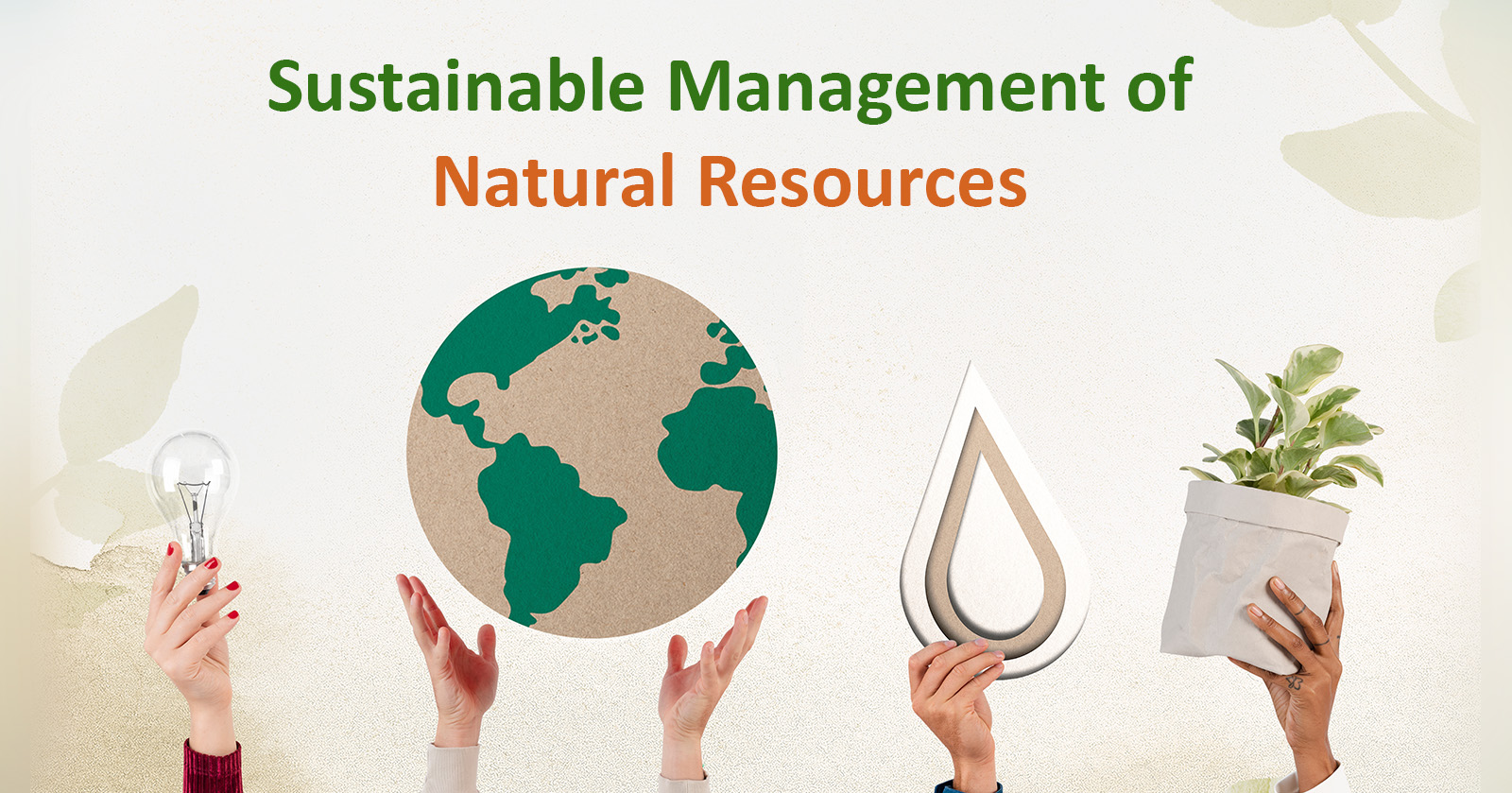
Sustainable Management of Natural Resources: Boosting sustainable practices in 2024
As we move further into the 21st century, our awareness of how fast natural resources are being used up continues to grow. It’s important to use these resources wisely to avoid overexploitation and to ensure that our planet remains livable and rich in natural beauty.
The speed at which we consume these resources is worrying, as it could soon reach a stage where the damage becomes permanent and the lost resources cannot be recovered. That’s why the idea of sustainable management of natural resources has become so important.
Sustainable management means using natural resources in a way that meets today’s needs without reducing their availability for future generations.
The main goal is to balance economic growth, social welfare, and environmental protection, ensuring that the benefits are shared fairly among all.
In simple terms, sustainable management of natural resources focuses on adopting eco-friendly practices that reduce harm to the environment, improve community well-being, and keep economies strong. It’s a smart and responsible approach that connects environmental health, social progress, and economic success.
Benefits of Sustainable Management of Natural Resources
However, there are a few reasons why companies and industries should consider adopting sustainable management practices. A few of them are:
1. Environmental Impact Reduction:
Sustainable development practices play a crucial role in protecting our planet. They help reduce air and water pollution, soil degradation, biodiversity loss, and greenhouse gas emissions. These efforts lead to healthier ecosystems, cleaner air and water, less soil erosion, and stable habitats for wildlife all of which are vital for natural resource conservation.
2. Lower Production Costs:
Adopting sustainable practices also lowers production costs by minimizing waste and saving energy. For example, improving water and soil quality reduces the need for fertilizers and pesticides. Similarly, waste reduction cuts down on disposal fees, making operations more efficient and cost-effective
3. Improved Efficiency:
Effective resource management strategies make businesses more efficient by reducing time, improving accuracy, and ensuring better use of equipment. They also promote energy and water conservation, helping organizations use fewer resources while achieving more.
4. Increased Profitability:
By reducing waste and conserving resources, companies not only protect the environment but also save money. Optimizing processes through sustainable development practices helps identify inefficiencies across the supply chain, increasing overall profitability and long-term growth.
5. Reduced Liability Risks:
Minimizing environmental impact reduces the risk of non-compliance with regulations and helps prevent accidents or health issues linked to unsustainable methods. These resource management strategies ensure both environmental protection and business safety.
6. Enhanced Brand Image:
Businesses that actively support natural resource conservation and sustainability build stronger reputations. Customers increasingly trust and prefer brands that demonstrate environmental responsibility, giving such companies a clear competitive edge in today’s eco-conscious market.
Practices for Sustainable Management of Natural Resources:
There are several sustainable development practices we can adopt to protect our environment and promote natural resource conservation. By integrating these resource management strategies, we can ensure that natural resources are used efficiently and preserved for future generations. A few key practices include:
1. Sustainable energy production:
Most of India’s electricity is still generated from coal, which contributes nearly 49% to total power generation. Despite having vast renewable energy potential, including solar, wind, and biogas, the dependence on coal remains high. To achieve natural resource conservation and reduce environmental damage, we must shift toward cleaner energy sources.
- Exploring Biomass and Biogas: Biomass and biogas energy are eco-friendly alternatives derived from organic materials and waste. These renewable sources can reduce our heavy dependence on coal and support sustainable energy goals.
- Switching to Solar Energy: Solar energy is one of the most effective sustainable development practices. Installing solar panels allows us to generate clean electricity, reduce carbon emissions, and ensure long-term environmental benefits.
- Investing in Wind Energy: Wind energy is another reliable and renewable source. By harnessing wind power, we diversify our energy mix, reduce fossil fuel use, and move closer to true energy sustainability.
2. Sustainable production practices:
The production process of any company has a direct impact on the environment. Adopting sustainable production methods ensures that industries reduce waste and emissions while supporting resource management strategies.
- Sustainable Sourcing: Choosing raw materials that are sourced ethically and sustainably helps protect ecosystems. Supporting local suppliers also reduces transportation emissions and promotes community well-being.
- Emissions Reduction: Using modern technologies that minimize greenhouse gas emissions is essential for natural resource conservation and combating climate change.
- Waste Reduction and Recycling: Recycling and reducing waste not only conserve resources but also align with circular economy goals, key pillars of sustainable development practices.
3. Sustainable transportation practices:
Transportation plays a major role in environmental impact. Unsustainable methods lead to high fuel use and air pollution, while greener options promote resource management strategies and cleaner air.
There are several ways we can avoid these emissions:
- Public Transport Adoption: Encouraging people to use buses, metros, and trains reduces the number of private vehicles on roads, lowering emissions and improving air quality.
- Alternative Fuel Vehicles: Switching to vehicles powered by bio-CNG, electricity, or hydrogen significantly reduces greenhouse gas emissions and dependence on fossil fuels.
- Sustainable Supply Chain Management: Optimizing transport routes and loads helps cut down fuel use. This approach ensures that logistics support environmental sustainability and natural resource conservation.
4. Sustainable Waste Disposal:
Proper waste disposal is key to environmental protection. Using smart resource management strategies helps convert waste into energy and minimize harm to ecosystems.
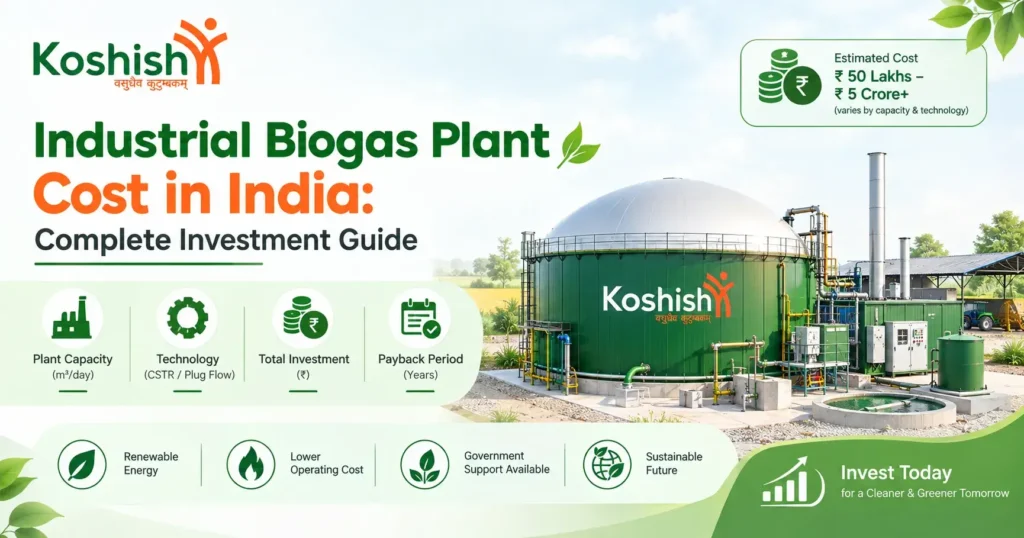
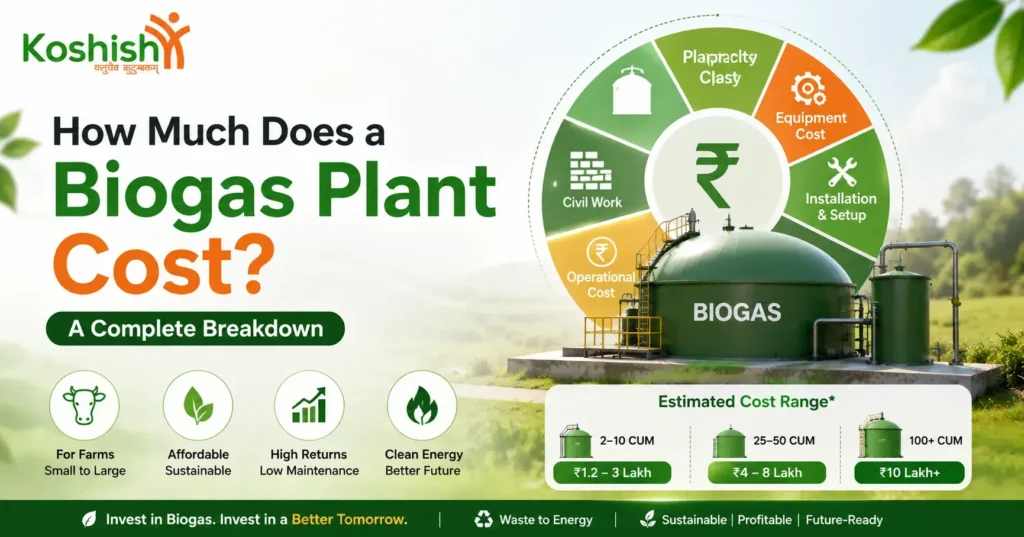
- Waste-to-Energy Solutions: Organic waste such as food and crop residues can be processed in biogas plants to produce renewable energy. This reduces landfill waste and promotes sustainable energy use.
- Biodegradable Packaging Materials: Replacing plastic with biodegradable materials helps reduce pollution. These materials decompose naturally, supporting sustainable development practices and a cleaner planet.
Wrapping Up
In conclusion, managing our natural resources wisely has become more important than ever in the 21st century. With growing awareness about resource depletion and environmental damage, we must adopt resource management strategies that support environmental sustainability.
Sustainable practices in 2024, such as switching to clean energy and using eco-friendly production methods, offer simple yet effective solutions. These practices not only reduce environmental impact but also improve efficiency and long-term profitability.
It’s a reminder for everyone to act responsibly and protect the planet. With consistent efforts and smart choices, we can build a healthier and more sustainable future for generations to come.
Frequently Asked Questions (FAQs)
Question: What is sustainable management of natural resources?
Answer: Sustainable management of natural resources means using things like water, soil, and forests carefully so that we don’t run out of them in the future.
It’s about fulfilling our needs today without affecting the needs of future generations. If you use resources without any extra wastage, that will be beneficial for the environment and society.
Question: Why is the sustainable management of natural resources important?
Answer: Sustainable management of natural resources means using things like water, land, and energy wisely today and saving enough for future generations. It involves reducing waste, protecting the environment, and using resources efficiently. This way, we can support both human needs and the health of our planet for upcoming generations.
Question: What are the benefits of sustainable management of natural resources?
Answer: There are more benefits to using natural resources. It helps protect the environment by reducing pollution, conserving forests, and preserving wildlife. By using resources like water, soil, and energy wisely, we ensure they are not wasted and remain available for future generations.
Question: How does waste management fit into sustainable resource use?
Answer: Waste management is an important part of using resources in a sustainable way. It means turning food scraps and other organic waste into energy. It also means using packaging that breaks down naturally instead of plastic. By doing this, we reduce pollution and make useful things from waste.