

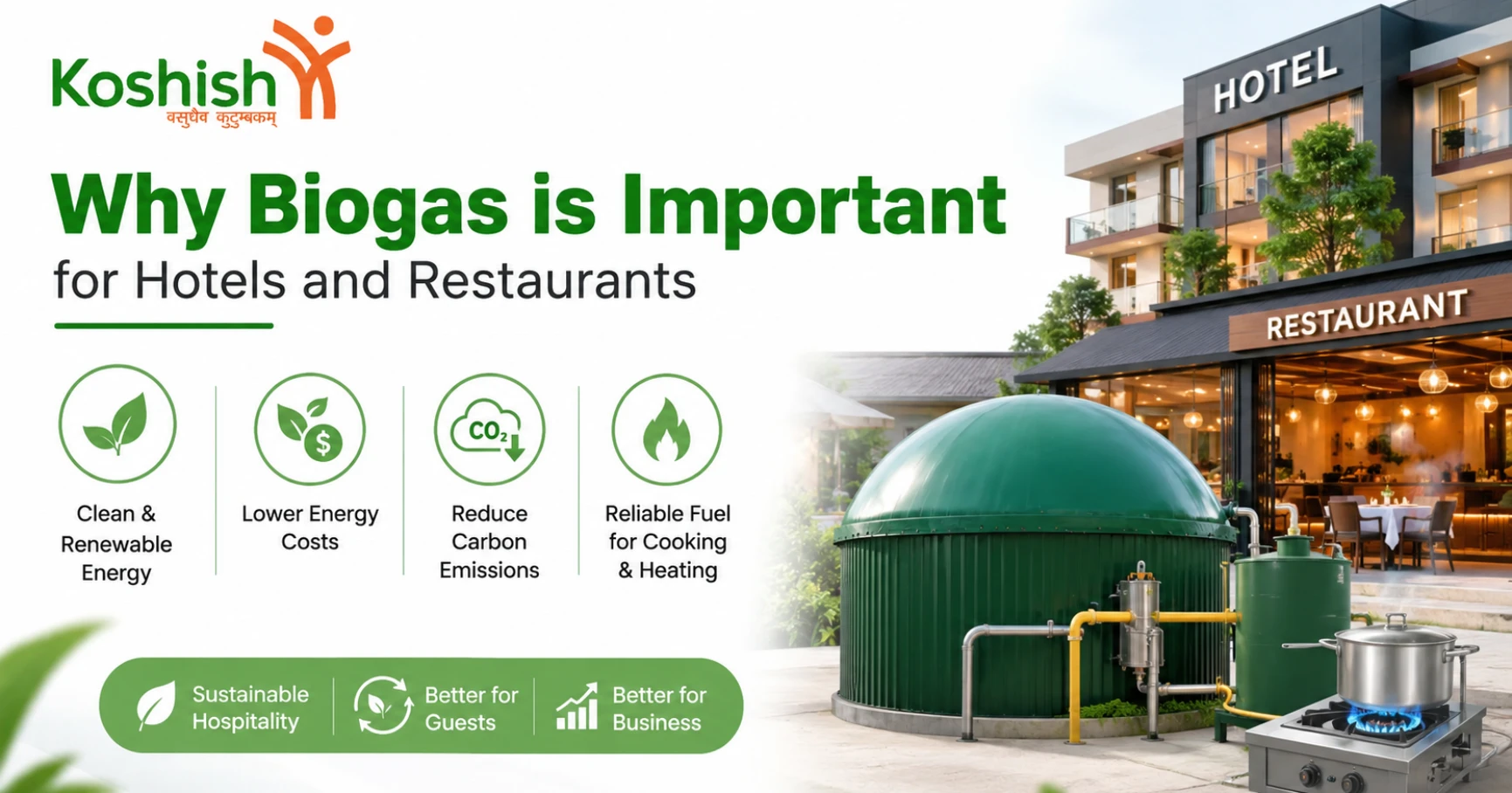
Every day, hotels and restaurants throw away a lot of food. This waste creates bad smells and attracts insects. It also increases waste disposal costs. When food waste goes to landfills, it releases harmful gases that pollute the air. A commercial biogas plant for hotels is a smart way to solve this problem. It changes food waste into energy hotel cooking gas, and organic fertiliser. As a result, hotels save money, reduce waste, and help protect the environment.

A biogas plant for hotels converts organic waste into renewable energy, helping businesses reduce operational costs while supporting sustainability goals. With increasing awareness about climate change and restaurant waste management regulations, adopting kitchen waste biogas technology is becoming essential for modern hospitality sustainability businesses.
What Is a Biogas Plant for Hotels?
A kitchen waste biogas plant for hotels is a machine that turns food waste into biogas. It uses tiny bacteria to break down kitchen waste in a closed tank. This process happens without oxygen.
The plant makes two useful products:
- Biogas for cooking and heating
- Organic fertilizer for gardens and plants
So, food waste becomes useful instead of being thrown away.
Converting Kitchen Waste to Renewable Energy
As already discussed, there is no specific restaurant waste management process; the food waste from hotels and restaurants is in large amounts. Instead of sending it into the landfills, a biogas plant for hotels processes it through anaerobic digestion and converts it into methane gas. This gas can then be used for cooking, heating, or electricity generation.
Using the food waste-to-energy hotel systems allows businesses to create value from waste that would otherwise become an environmental burden. The leftover slurry generated during the process can also be used as organic fertiliser for landscaping or gardening purposes.
Why Do They Need a Biogas Plant for Hotels?
Hotels prepare hundreds of meals every day. Because of this, they also create a lot of food waste. This waste includes:
- Vegetable peels
- Fruit peels
- Leftover food
- Rice and bread
- Tea leaves
- Coffee waste
If this waste goes into dustbins, hotels spend more money to remove it. However, a kitchen waste biogas plant for hotels changes this waste into clean energy. Therefore, hotels reduce waste and save money at the same time.
Daily Waste Utilisation Benefits
Hotels produce kitchen waste every day. Instead of sending it to a landfill, they can use it in a biogas plant. As a result, hotels:
- First, reduce waste every day.
- Secondly, keep the kitchen cleaner.
- Thirdly, lower disposal costs.
- Fourth, produce clean fuel.
- Lastly, reduce GHG emissions. This makes restaurant waste management much easier.
Kitchen Waste Becomes Clean Energy
A kitchen waste biogas system turns food waste into cooking gas. Hotels can use this gas for various purposes as follows:
- First, cooking food,
- Secondly, heating water,
- And lastly, running kitchen equipment. Therefore, hotels buy less LPG and reduce their fuel bills.
Significant Cost Savings
Energy expenses are a major operational cost in the hospitality sustainability sector. By installing a biogas system, hotels and restaurants can significantly reduce their LPG, diesel, or electricity consumption.
The gas produced by kitchen waste biogas systems can partially replace conventional kitchen fuels. Over time, this results in substantial savings on energy bills. Waste transportation and disposal costs are also reduced because less waste is sent outside the premises.
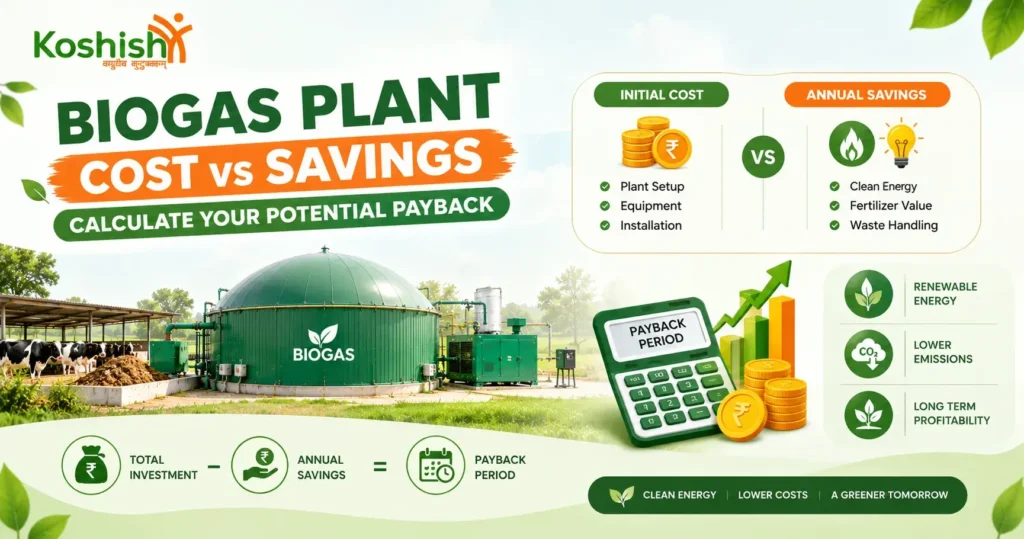
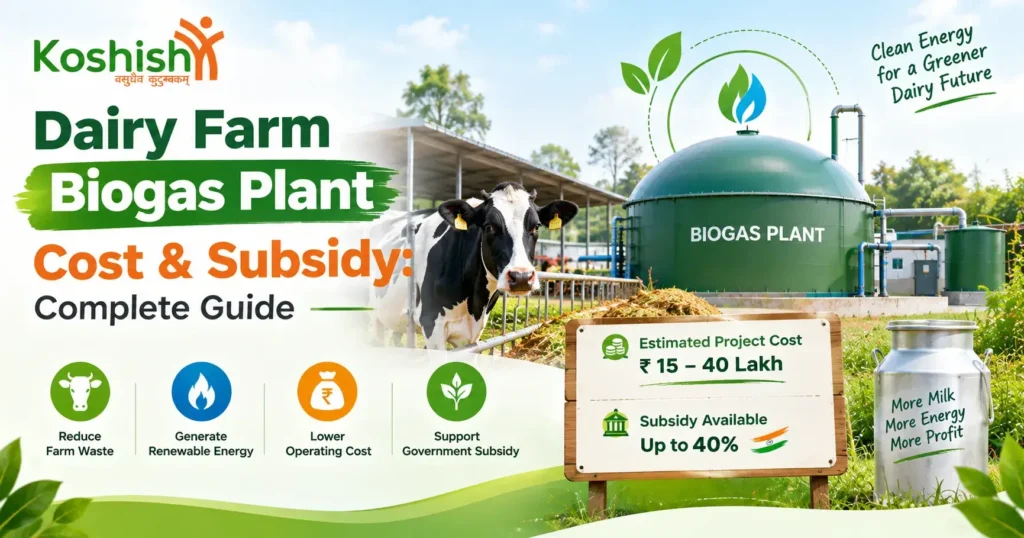
Although the initial investment may seem high, long-term savings and government incentives for renewable energy projects often make the system financially viable.
Subsidy provided by the Government Of India
The government provides subsidies for the commercial power generation from the biogas plant. The subsidy amount depends on the power generation of the Biogas plant for hotels.
The Government of India has divided the subsidy amount into three categories, which are as follows:
3kW – 50kW = ₹45,000
50kW – 200kW = ₹40,000
200kW-250kW = ₹35,000
For Example,
If the biogas plant for hotels is 200 cum, then the power generation would be around 260 kWh.
200 Cum * 1.3 kWh = 260 kWh
260kWh/10 = 26 units
26 * 45,000 = 1,170,000 subsidy
Food Waste to Energy Hotels for cooking gas generation: 50 Cum * 1.3 kWh = 65 kWh / 10 = 6.5 units
6.5 units * 45,000 = 292,500 (Subsidy)
50cum*400gm=20kg
Installation Challenges
Although a biogas plant for hotels offers many benefits, there are a few challenges. Small hotels and restaurants may not have enough space for installation. Food waste also needs to be separated properly for the plant to work well.
Regular maintenance and basic staff training are important for smooth operation. Hotels should also follow local environmental and safety rules. With proper planning and expert support, these challenges can be managed easily.
Wrapping Up
A biogas plant for hotels is a smart and easy way to manage food waste. Instead of throwing kitchen waste into landfills, hotels and restaurants can turn it into clean biogas and organic fertiliser. As a result, they reduce waste, save money on LPG and waste disposal, and help keep the environment clean.
In addition, a biogas plant improves restaurant waste management and supports hospitality sustainability. Today, more hotels are turning food waste into energy because it helps them save money while creating a cleaner and greener future.