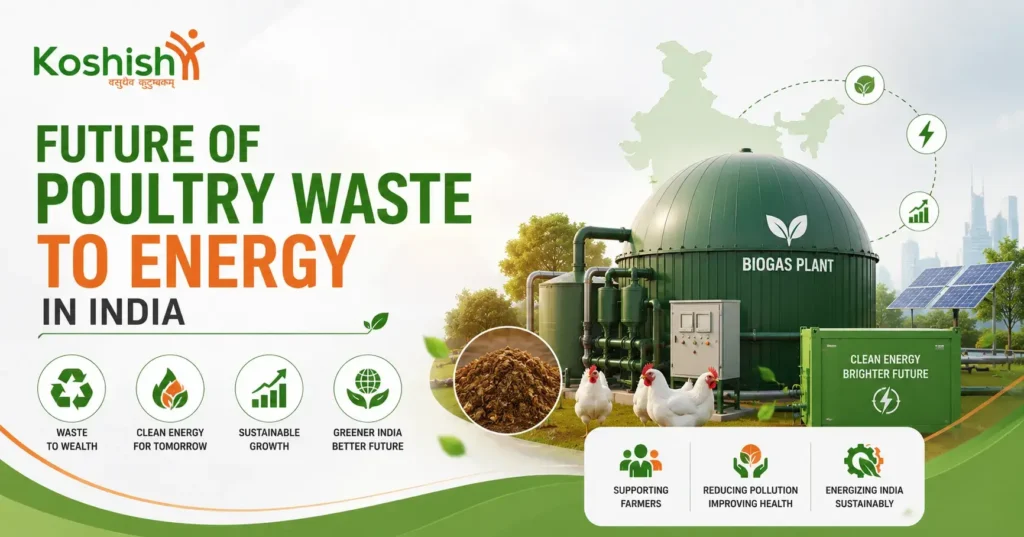

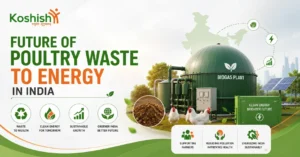
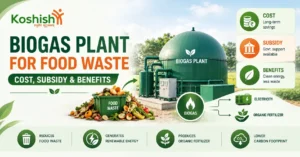
So far, India has made huge progress towards promoting sustainable solutions worldwide. The biogas solution is the most acceptable and feasible for Indian farmers and other segments as well. Especially poultry waste, which is rich in methane and can generate large quantities of biogas. The biggest problem poultry farmers face is poor poultry waste management; they are seeking poultry waste treatment methods that involve biogas plants and their mechanisms.
The installation of the Commercial Biogas Plant depends on factors such as the farm’s size, the number of birds, daily litter output, and location. All this decides how many cubic meters of biogas a plant would produce. An effective and efficient way for poultry manure disposal. The traditional methods all failed in poultry waste treatment.
Traditional Disposal Issues of Poultry Waste Management
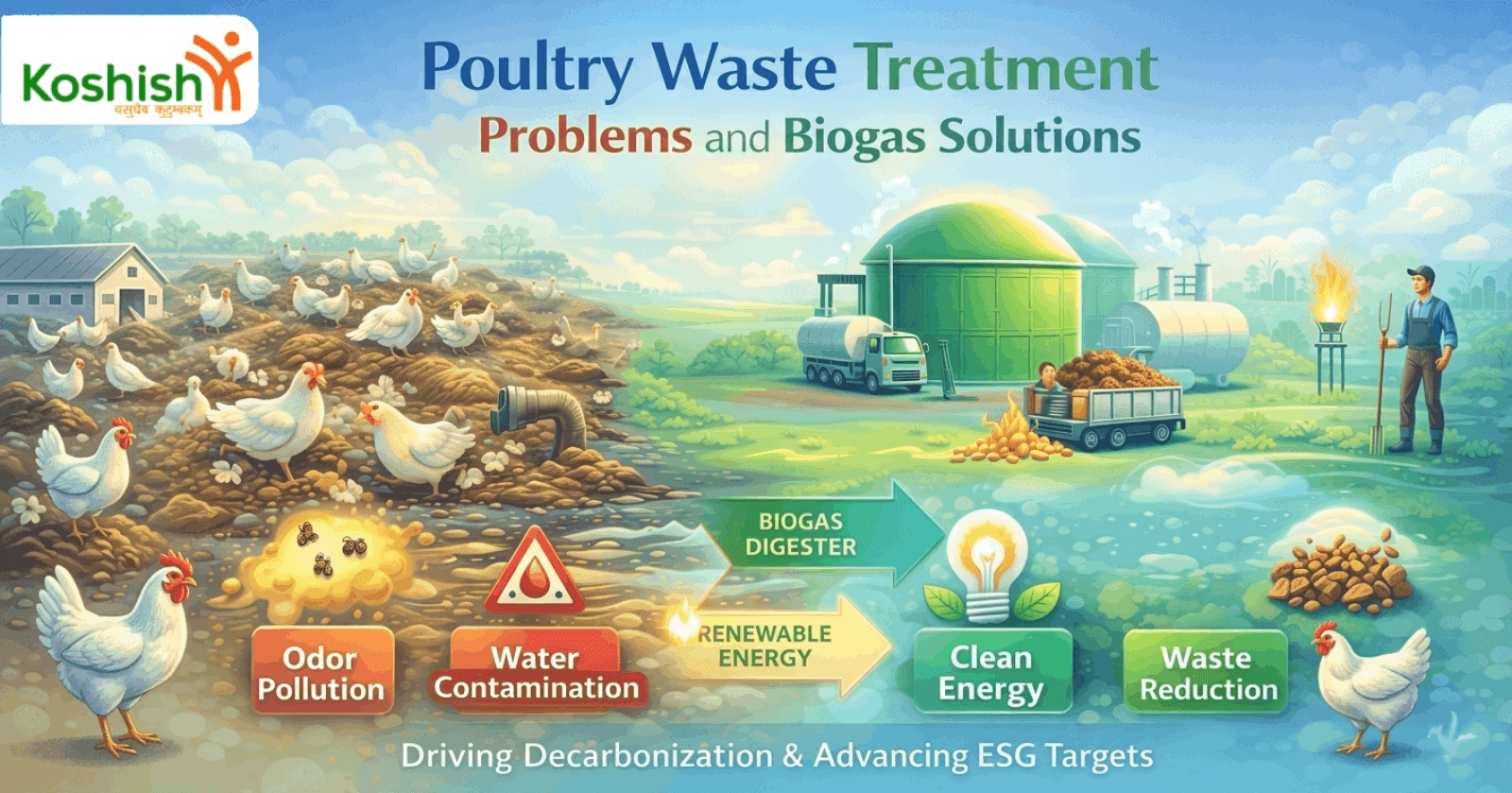
There are various traditional poultry manure disposal methods, which are ineffective in poultry waste management. The traditional methods caused the following: Odour and Air Pollution: Poultry waste emits strong odours due to the release of ammonia and hydrogen sulfide. This creates discomfort for nearby communities and affects farm workers’ health. Contamination of Water Supply: Runoff water from untreated poultry waste may carry dangerous nutrients and bacteria into rivers, lakes, and groundwater. This leads to eutrophication, which harms the ecosystem. Greenhouse Gases: Poultry waste that is allowed to decay naturally gives off methane and nitrous oxide, both of which are strong greenhouse gases contributing to global warming. Waste Generation Increases: Commercially operated poultry farms produce massive amounts of waste per day. The management of large amounts of waste becomes hard using conventional methods.Poultry Composting Limitations
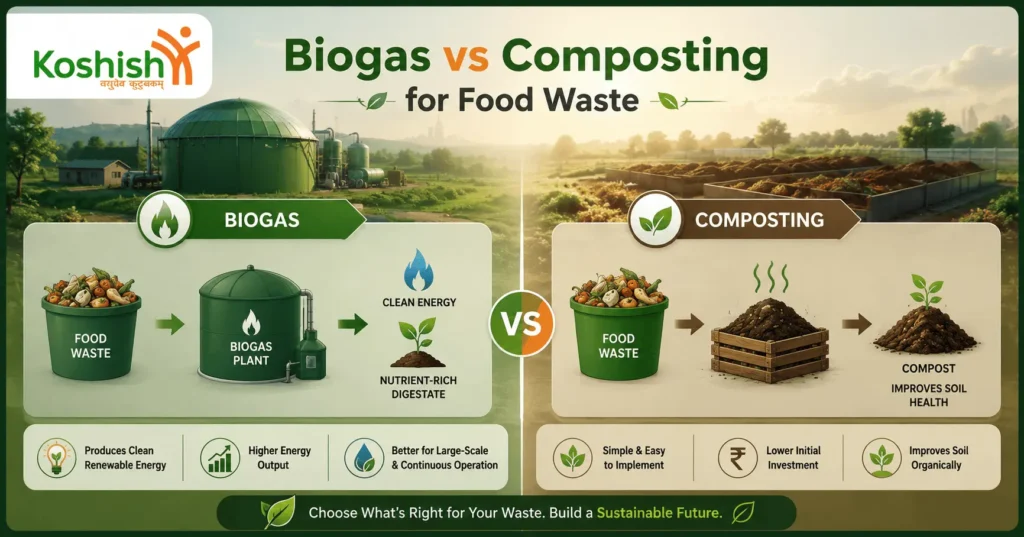
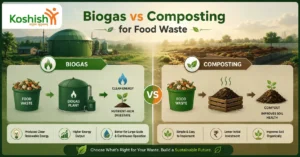
Composting has traditionally been employed as one of the most common solutions for poultry waste treatment. However, composting involves some operational shortcomings that make it unsuitable for the industrial poultry farms. Long Processing Time: Several weeks or even months are required for the compost to get stabilised. In this case, farms have to provide large storage space. Odour Pollution: Though well-managed compost piles should produce little odour, in some cases the smell becomes quite annoying if not controlled. Nutrient Loss: Significant losses of nitrogen occur during the composting due to volatilisation. This affects the quality of the produced fertiliser. Lack of Space: Piles need large areas where they can be stored, turned, and cured. Large-scale farms lack such land for storage. Variability of Results: The quality of the compost can largely depend on the way it was treated. Thus, poorly managed piles may contain pathogens and weeds. No Recovery of Energy: Only fertiliser is recovered from the waste using this technique, while methane is released into the atmosphere.Why Biogas Works Better for Poultry Waste Treatment
Biogas technology offers a modern and sustainable solution for poultry farms. In an industrial biogas poultry system, poultry manure and organic waste are processed in an anaerobic digester where microorganisms break down the material in the absence of oxygen. This process generates two valuable outputs:- Biogas (mainly methane)
- Nutrient-rich digestate fertiliser
- Electricity generation
- Heating poultry sheds
- Cooking fuel
- Boiler fuel
- Upgraded biomethane production
Operational Reliability of Industrial Biogas Poultry Systems
Biogas technology represents a contemporary and environmentally friendly method of poultry waste treatment. In an industrial biogas poultry system, poultry manure and organic waste undergo treatment in an anaerobic digester, whereby microorganisms decompose the waste material under the absence of oxygen. There are two useful by-products of biogas production:- Biogas (which mainly consists of methane gas)
- Fertilizer made from nutrient-rich digestate
- Electricity
- Heat in poultry houses
- Cooking fuel
- Fuel for boilers
- Upgraded biomethane
Future of Poultry Waste Management Solutions
As the poultry industry expands globally, sustainable waste handling will become increasingly important. Governments and industries are encouraging the adoption of renewable energy and circular economy practices. Biogas technology is emerging as a leading solution because it addresses multiple challenges simultaneously:- Waste reduction
- Renewable energy generation
- Pollution control
- Fertilizer production
- Climate change mitigation
What is poultry waste treatment?
Poultry waste treatment refers to the process of managing and treating poultry manure, litter, feathers, and wastewater to reduce pollution and recover useful resources.
Why is poultry manure disposal important?
Proper poultry manure disposal helps prevent odour, water pollution, greenhouse gas emissions, and the spread of disease from untreated waste.
Are poultry biogas plants suitable for large farms?
Yes, modern poultry waste management solutions using biogas technology are highly suitable for medium and large-sized commercial poultry farms.
Is biogas better than composting for poultry waste?
Biogas systems are often more efficient because they recover energy, reduce emissions, and provide better waste stabilisation than composting.