
The food industry generates a massive amount of food waste daily. This requires a smart way to dispose of it. A biogas plant helps convert food waste into energy for cooking, electricity, and organic fertilizer. The owners of restaurants and hotels have adopted this organic waste Biogas technology. Food waste is a pressing global issue, with millions of tons discarded each year, contributing to environmental degradation and resource depletion. As the world grapples with sustainability challenges, converting food waste into energy offers a viable solution.
By harnessing organic waste through innovative technologies such as zero-waste food industry biogas plants, we can transform discarded food waste into energy. This process not only mitigates the environmental impact of waste but also promotes energy recovery, reduces carbon emissions, and supports the zero-waste food industry movement. In this exploration, we will delve into the mechanisms of converting food waste into energy, the benefits of anaerobic digestion, and the various industry use cases that exemplify the potential of this transformative approach.
Food Energy Recovery Process
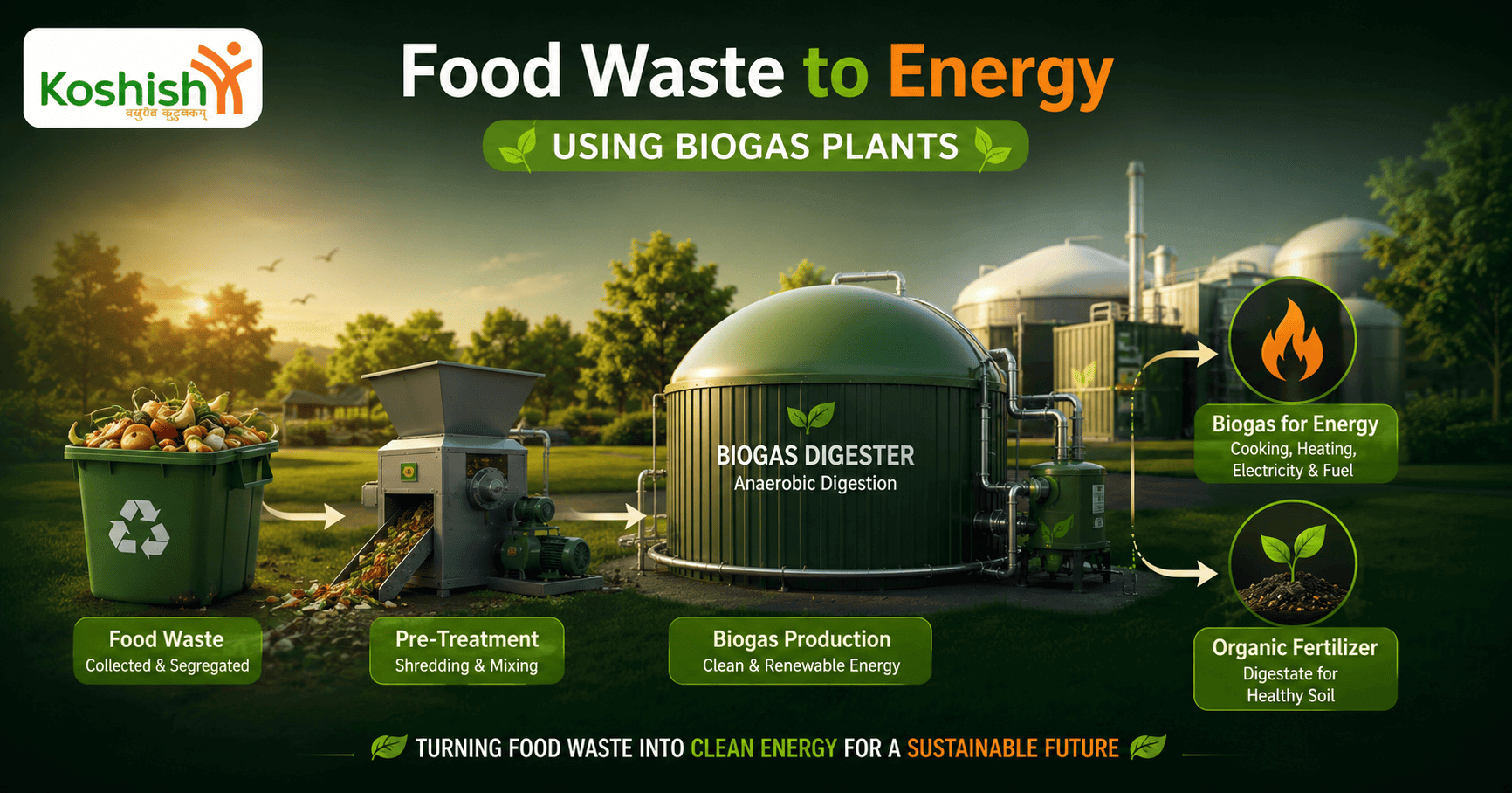
The Food Energy Recovery Process is a systematic approach to converting food waste into energy using various technologies, primarily anaerobic digestion. This process not only addresses the pressing issue of food waste but also contributes to sustainable energy production and environmental conservation.
In the initial stage, food waste is collected from various sources, including restaurants, supermarkets, and households. This organic waste is then sorted to remove non-biodegradable materials, ensuring that only suitable organic matter is processed.
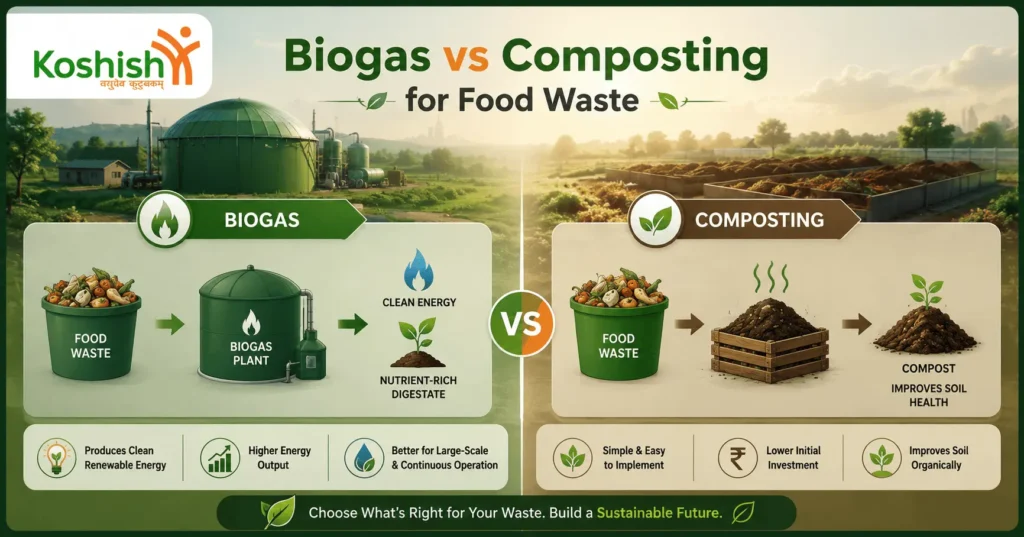
Once the waste is prepared, it undergoes anaerobic digestion, a biological process where microorganisms break down organic material in the absence of oxygen. This process occurs in a controlled environment, typically within a biogas digester. As microorganisms digest food waste, they produce biogas, primarily composed of methane and carbon dioxide.
The organic waste biogas generated can be harnessed in several ways:
- Electricity Generation: The methane can be used to fuel generators, producing electricity that can be fed back into the grid or used on-site.
- Heating: Biogas can be burned to produce heat, which can be utilized for cooking or heating purposes in various facilities.
- Vehicle Fuel: After purification, biogas can be converted into biomethane, a renewable fuel for vehicles.
- Organic Fertilizer: The residual material left after digestion, known as digestate, is rich in nutrients and can be processed into organic fertilizer, returning valuable nutrients to the soil.
The benefits of the Food Energy Recovery Process extend beyond energy production. By diverting food waste from landfills, this process significantly reduces greenhouse gas emissions, particularly methane, which is a potent contributor to climate change. Additionally, it promotes a circular economy by transforming waste into valuable resources, thereby supporting sustainable practices within the food industry.
Food Waste Reduction through Biogas Technology
Biogas technology has had a significant impact on food waste. It has reduced waste by converting food waste into energy. The organic waste biogas helps generate gas for cooking, electricity, and fuel. The food used to get wasted daily since they didn’t have a good source to dispose of it.
With the help of organic waste biogas technology, the everyday food waste is being used to produce methane gas. The biogas plant is the only sustainable solution for reducing carbon footprints and lowering greenhouse gas emissions, and it benefits environmental health.
Carbon Emission Savings through the Food Waste Process
There is an important impact on the farm’s carbon emissions. Food waste produced by the food sector increases the carbon footprint of hotels and restaurants. By adopting organic waste biogas technology to convert food waste into energy, carbon emissions are reduced. This sustainable practise benefits the environment. Through this, investors would also become interested, and by maintaining transparency, customers would choose these food units themselves.
Reducing food waste through organic waste biogas technology not only addresses the pressing challenge of waste management but also supports environmental sustainability and energy production, creating a win-win for the planet and society.
Food Waste into Energy in Industry Use Cases
In the industrial sector, there are various cases in which converts food waste into energy. The energy is used for various purposes such as generating electricity, heating, and fuel. In the industrial sector, converting food waste into energy has emerged as a transformative practice, showcasing innovative approaches to sustainability and resource management. Various industries are adopting organic waste biogas technology to harness energy from food waste, leading to significant environmental and economic benefits.
One prominent use case is in the hospitality industry, where hotels and restaurants generate substantial amounts of food waste daily. By installing organic waste biogas systems, these establishments can convert their organic waste into renewable energy for cooking, heating, or powering their facilities. This not only reduces waste disposal costs but also lowers their carbon footprint, aligning with growing consumer demand for sustainable practices.
Another example can be found in food processing plants, where large quantities of by-products and unsold food items are common. These facilities can use anaerobic digestion to process their waste, generating organic waste biogas that can power machinery or generate electricity. This creates a closed-loop system in which waste is converted into energy, thereby enhancing operational efficiency and reducing reliance on fossil fuels.
Agricultural operations also benefit from food waste into energy initiatives. Farms can collect food scraps and agricultural residues to produce biogas, which can power farm equipment or heat greenhouses. This not only helps manage waste but also contributes to farmers’ energy independence, allowing them to reinvest savings into their operations.
Moreover, the beverage industry is exploring biogas technology by converting waste from fruit and vegetable processing into energy. This not only addresses waste management challenges but also provides a sustainable energy source for production processes, further enhancing the industry’s sustainability profile.
The industrial use of food waste for energy generation is a promising approach to reducing waste, lowering carbon emissions, and promoting sustainable practices across sectors. By embracing biogas technology, industries can turn a liability into an asset, contributing to a more circular economy and a healthier planet.
Wrapping Up
The conversion of food waste into energy represents a significant advancement in sustainable practices across various industries. By leveraging organic waste biogas technology, businesses not only mitigate waste disposal challenges but also contribute to a greener economy. The hospitality, food processing, agricultural, and beverage sectors are leading the way in this transformative approach, showcasing how waste can be repurposed into valuable energy resources.
As industries continue to adopt these innovative solutions, they pave the path toward a circular economy, where sustainability and efficiency go hand in hand. Embracing food waste into energy initiatives is not just an environmental imperative; it is a strategic move that enhances operational resilience and supports the growing consumer demand for responsible practices.