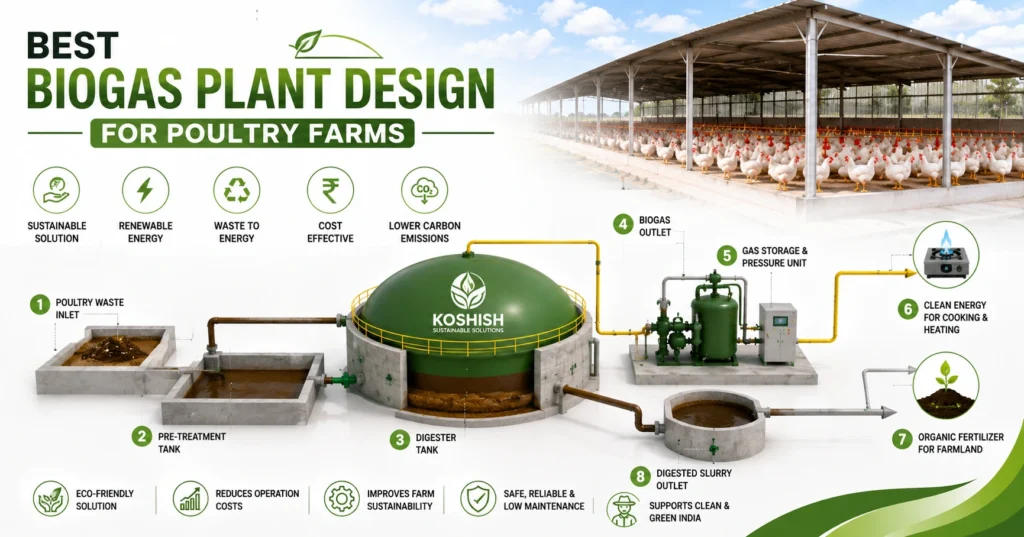

As India is moving forward with sustainable solutions, a biogas plant is playing an important role and is widely recognised for producing the clean energy from the organic waste. With the help of the anaerobic digestion process, not only biogas but also biogas slurry, popularly known as digestate, is also generated from the leftovers of it.
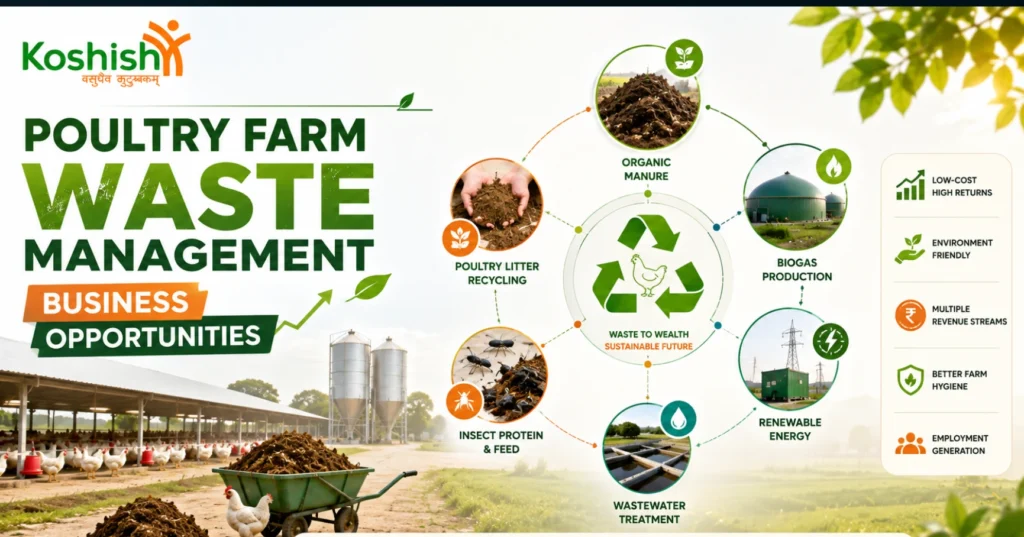
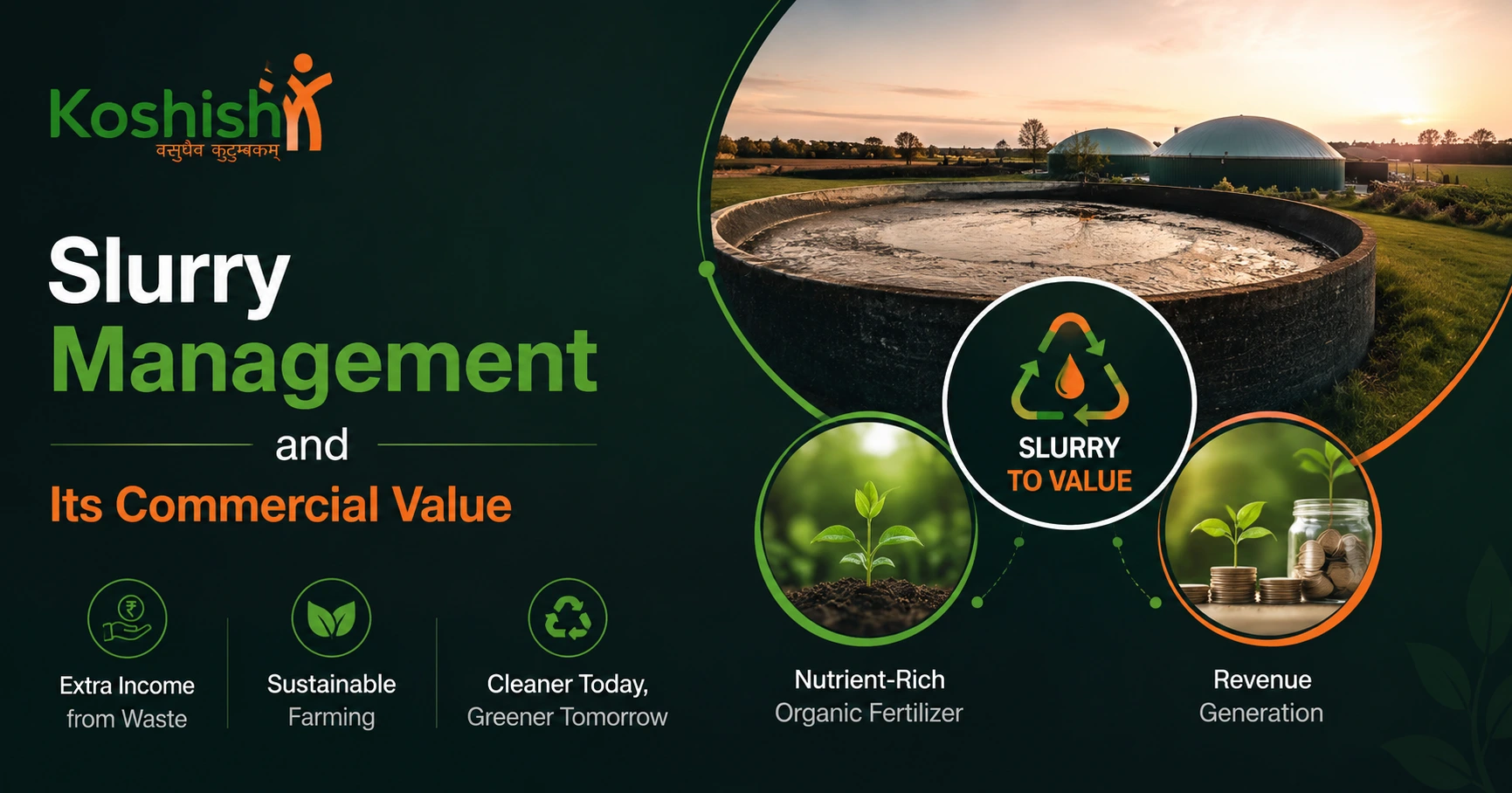
Biogas slurry can equally be valuable; with the proper slurry management, the businesses can convert the digestate into their byproducts and sell it in the market at a market value to farmers and people who are interested in gardening. This creates a good revenue stream.
What is Biogas Slurry?
The organic fertilizer from biogas leftovers is mainly known as “digestate.” It is nutrient-rich and good for the crops. It is produced from animal waste, agriculture residue, food waste, and other types of biodegradable waste. It is processed in the biogas plant to produce biogas.
During the process, the waste is mixed with water and left for 45 days; the microorganisms break down the organic waste for methane gas to form and a biogas slurry as well.
The nutrients that are usually released from biogas anaerobic digestion and are found in biogas slurry are as follows:
Nitrogen (N): It supports plant growth and development.
Phosphorus (P): It helps grow the roots and flowering
Potassium (K): It helps in the growth of crop quality and resistance
And many more nutrients such as calcium, zinc, magnesium, and iron.
Bio-Slurry Benefits for Agriculture
Farmers and agriculture people who are in businesses use the organic fertiliser from biogas to grow crops, so they use it as an organic fertiliser on their farms; it becomes a good way of slurry management. It has many more advantages:
- The slurry used on farms improves the soil quality and supports beneficial microorganisms.
- Reduces dependency on chemical fertilisers available in the market.
- With the help of slurry biogas, the water retention power of the soil improves; it holds water for a longer period, which helps the crops grow more naturally.
- It provides nutrients to the soil that can be easily absorbed by the crops.
Effective Slurry Management in Agricultural Farms
The biogas slurry market value is reasonable and affordable for the farmers. To maximise the value, the slurry management should be systematic, such as storing it in huge tanks to prevent it from getting wasted. Also, it should be kept separately; the digestate (solid slurry) & liquid slurry should be kept in different tankers. Both products have different slurry market values.
Daily, the nutrients should be examined for quality checks; this helps in standardising the product. A main thing that should be focused on is following the regulatory norms of the government and working accordingly.
Packaging & Selling of Biogas Slurry
Commercial biogas operators can increase profitability by converting slurry into a packaged product.
Common packaging options
- Liquid biofertilizer bottles
Suitable for drip irrigation and foliar application. - Dried slurry powder
Easier to transport and store. - Granulated organic fertilizer
Preferred by many commercial farms and retailers.
Potential customer segments
- Organic farmers
- Nurseries and greenhouse operators
- Landscaping companies
- Agricultural cooperatives
- Retail garden centers
Slurry Market Value: An Additional Revenue Stream
The economic value of slurry depends on nutrient concentration, processing level, local demand, and transportation costs. Operators who process and package slurry generally achieve higher margins than those who distribute it in bulk.
Commercial advantages
- Reduces waste disposal costs.
- Creates a saleable agricultural input.
- Improves the overall return on investment of a biogas plant.
- Supports circular economy and sustainability goals.
For many commercial biogas facilities, fertilizer sales can become a significant secondary income source alongside energy production.
Wrapping Up
Biogas slurry is not merely a byproduct; it is a valuable agricultural resource. Through proper slurry management, nutrient testing, processing, and packaging, businesses can produce high-quality organic fertilizer from biogas operations. This approach enhances sustainability, supports soil health, and creates an additional revenue stream that improves the financial performance of biogas projects.