
Blogs

Biogas Plant

Biogas Plant for Piggery Farm: Cost, Subsidy & Installation

Running a pig farm creates a lot of waste every day. Pig manure biogas plant can smell bad and may cause problems if it is not managed well. However, this waste can also become a useful source of energy. A piggery biogas plant can turn pig manure into biogas. This biogas can be used for cooking, heating, or power generation. At the same time, the leftover slurry can be used as organic manure. So, a pig manure biogas plant can help pig farmers manage waste and save money. However, the piggery biogas plant cost depends on many factors, such as plant size, waste quantity, equipment, land, and installation needs. In this guide, we will explain the piggery biogas plant cost, subsidy options, installation process, benefits, and important things to consider before starting a project. Contact Us

What Is a Piggery Biogas Plant?

A piggery biogas plant is a system that uses pig manure biogas plant to make biogas. The process takes place inside a closed tank called a digester. First, pig manure is collected from the farm. Then, it is mixed with water if needed. Next, the mixture goes into the digester. Inside the digester, tiny bacteria break down the waste without oxygen. As a result, biogas is produced. Biogas mainly contains methane. Therefore, it can be used as a fuel. The process also produces a liquid and solid material called digestate or slurry. This material can be useful as organic manure. In simple words, a pig manure biogas plant changes farm waste into useful energy and manure.

Why Should Pig Farmers Use Biogas?

Pig farms produce waste every day. Therefore, proper waste management is very important. A pig manure biogas plant can help in several ways:
  • Reduces the amount of untreated pig waste.
  • Helps control bad smells.
  • It can reduce the need for LPG or other fuels.
  • Produces renewable energy.
  • Creates useful bio-slurry.
  • Supports cleaner farm operations.
  • It can improve overall waste management.
  • It may reduce energy costs over time.
Furthermore, farmers can use the gas based on their needs. For example, biogas can be used for cooking, water heating, or electricity generation.

How Does Piggery Waste Biogas Work?

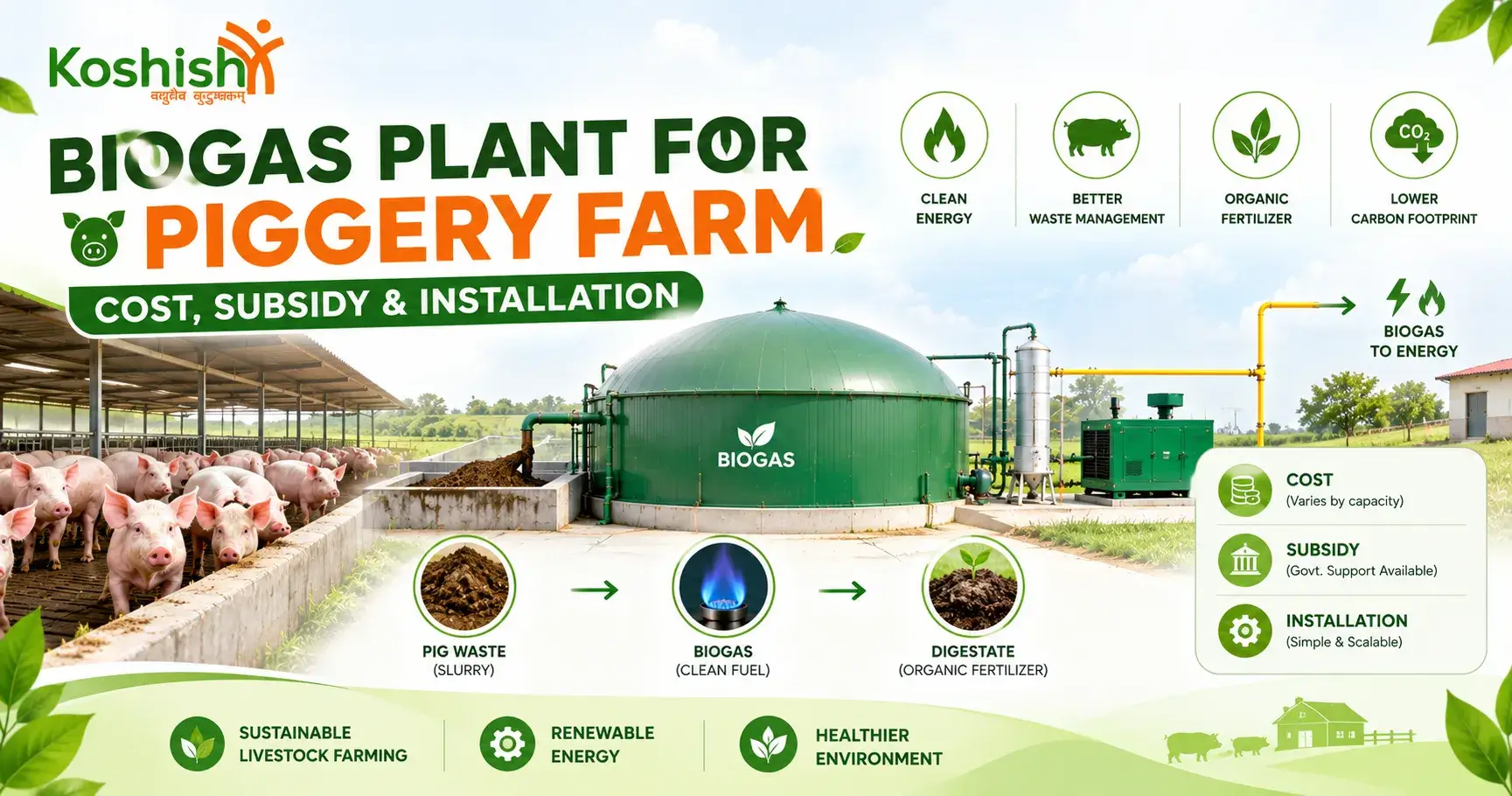
The working process is simple. Pig manure → Mixing → Digestion → Biogas → Energy + Organic Manure First, manure is collected from the pig farm. Then, it is sent to a mixing tank. Next, the waste enters the digester. The digester is sealed to keep oxygen out. Inside the tank, bacteria break down the organic matter. During this process, biogas is formed. The gas moves into a gas storage system. After that, it can be used for different purposes. For example, farmers can use biogas for:
  • Cooking
  • Heating
  • Water heating
  • Electricity generation
  • Other farm energy needs
At the same time, the digested slurry can be collected and used as manure. Therefore, piggery waste biogas can provide both energy and a useful farm by-product.

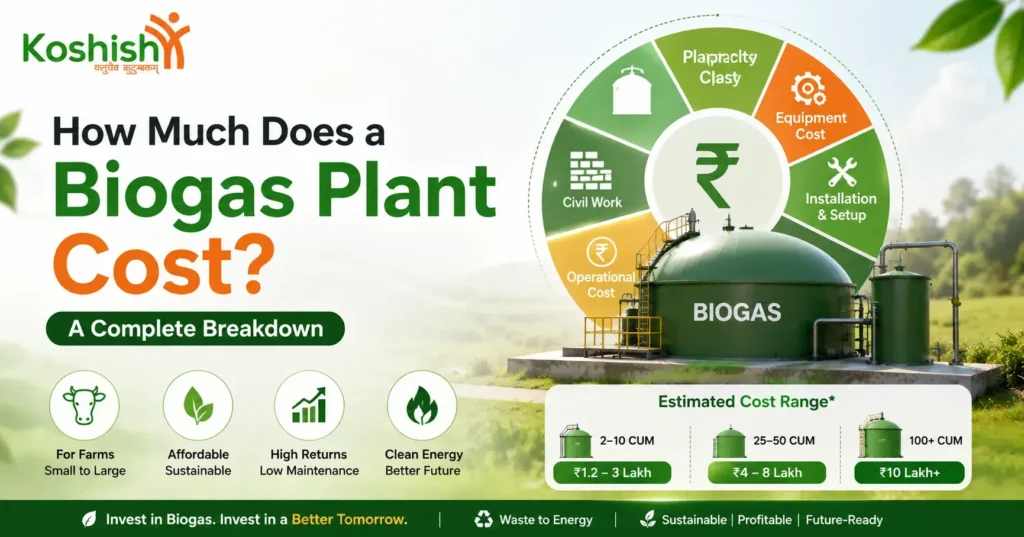
What is the piggery biogas plant cost?

The piggery biogas plant cost is not the same for every farm. It changes based on the size and design of the pig manure biogas plant. A small farm may need a small plant. On the other hand, a large commercial farm may need a much bigger system. Key factors include:
  1. Plant size: A larger plant usually costs more.
  2. Waste quantity: More waste may require a bigger digester.
  3. Plant design: Different designs have different costs.
  4. Civil work: Land preparation and construction add to the cost.
  5. Gas equipment: Gas storage and cleaning systems affect the price.
  6. Power equipment: A generator adds to the project cost.
  7. Installation: Labour and transport also affect the budget.
Therefore, there is no single fixed piggery biogas plant cost for every farm. A site survey is usually needed before giving a final project estimate.

Is There a Biogas Subsidy for Piggery Farms?

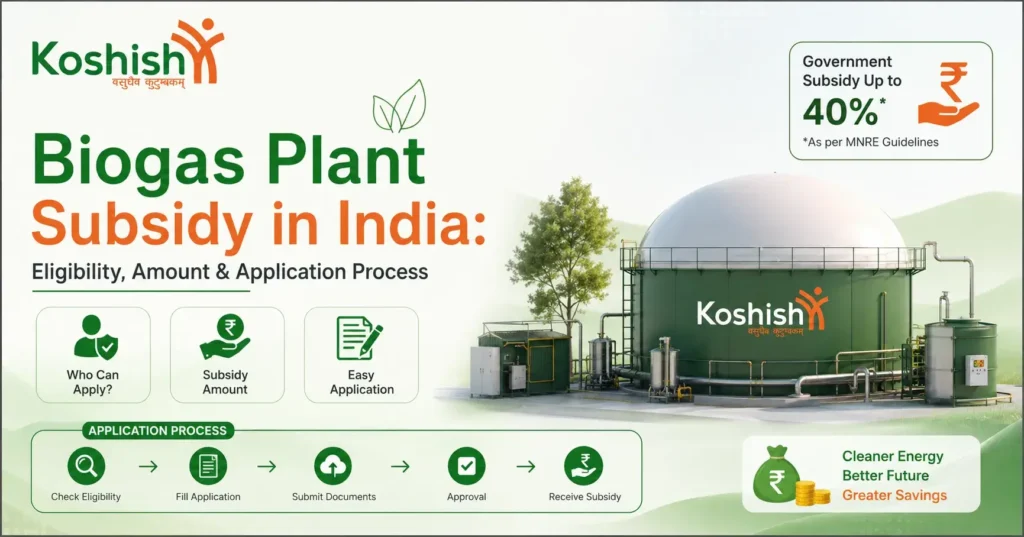
Government support may be available for eligible renewable energy and waste-to-energy projects. However, the amount and eligibility rules can change based on the scheme, project type, location, and applicant. Therefore, farmers should check the latest government guidelines before planning their investment. A biogas subsidy can help reduce the initial financial burden for eligible projects. However, farmers should not assume that every piggery plant will receive the same subsidy. The application may require project details, technical documents, and other supporting papers.

How to Apply for a Biogas Subsidy?

The process depends on the government scheme and the type of project for the Biogas Subsidy. Generally, the steps may include:  
  1. Check the latest scheme guidelines.
  2. Confirm project eligibility.
  3. Prepare the plant design.
  4. Estimate the available pig waste.
  5. Prepare the project cost.
  6. Submit the required documents.
  7. Get the required approval.
  8. Install the plant.
  9. Complete inspection or verification, if required.
  10. Receive the eligible financial support as per the scheme rules.
  Importantly, subsidy rules can change. Therefore, farmers should always verify the latest requirements with the relevant government authority.

How Is a Piggery Biogas Plant Installed?

Biogas Plant Installation starts with a proper site survey. First, the project team checks the farm size, waste quantity, water supply, and available land. Next, the right plant size is selected. Then, the main construction work begins.   Step 1: Collect Pig Waste: Pig manure is collected from the farm. The collection system should make daily waste handling easy. Step 2: Prepare the Mixing Area: The manure is mixed with the required amount of water. This creates a suitable feed mixture for the digester. Step 3: Build the Digester: The digester is the main part of the plant. It is sealed so that the waste can break down without oxygen. Step 4: Install the Gas System: Gas pipes and gas storage equipment are installed. A gas cleaning system may also be used to improve gas quality. Step 5: Install the End-Use System: The biogas can be connected to a cooking system, boiler, or generator. The right option depends on the farm’s energy needs. Step 6: Start the Plant: The plant is filled with suitable feedstock. Then, the natural digestion process begins. Finally, the system is tested before regular operation starts.

How Much Biogas Can a Piggery Farm Produce?

Biogas production depends on several factors. These include the number of pigs, manure quantity, manure quality, water content, temperature, and digester design. Therefore, production cannot be calculated from the number of pigs alone. A proper feasibility study can estimate the expected daily waste and biogas output. This estimate can then help farmers select the right plant size. 

What Happens to the Bio-Slurry?

Biogas production does not end with gas. After digestion, a nutrient-rich material called bio-slurry remains. It can be separated into liquid and solid parts. The material can be used as organic manure after proper handling. Therefore, a piggery biogas plant can create two useful outputs:   Biogas → Renewable energy Bio-slurry → Organic manure

Is a Biogas Plant a Good Investment for a Piggery Farm?

A pig manure biogas plant can be a useful investment for farms that produce enough organic waste. It can help turn a waste problem into a useful resource. At the same time, it can provide renewable energy and bio-manure.   However, every farm is different. Therefore, farmers should check waste quantity, energy demand, land, project cost, and possible financial support before investing. A proper feasibility study can help answer these questions.

Which is the Best Biogas Plant Solution Provider?

There are various best biogas companies in India that provide biogas solutions, but choosing the right company is important. A good company should understand your waste, plant size, and energy needs. Also, it should provide support from plant design to installation and operation. Koshish India is a trusted name for biogas plant solutions in India. The company provides biogas solutions for farms, dairies, poultry units, industries, and other waste-producing businesses. Moreover, the team at Koshish India helps with plant design, waste study, installation, and project support. This makes the process easier for customers. If you are looking for the best biogas plant solution provider, Koshish Sustainable Solutions is the best choice for your project. The company works on different types of biogas projects based on the type and amount of waste available.

Wrapping Up

A biogas plant can turn piggery waste into something useful. Instead of treating manure only as a waste problem, farmers can use it to produce renewable energy and organic manure. Moreover, suitable food waste and other organic materials may also be used in the right system. A biogas plant subsidy depends on the latest government rules and project eligibility. Therefore, the best first step is to measure the farm’s daily waste, understand its energy needs, and get a proper technical assessment. This can help farmers choose the right plant size, control costs, and plan a better waste-to-energy project.

Frequently Asked Questions (FAQ)

What is a biogas plant for a piggery farm?

A piggery biogas plant is a system that converts pig manure into biogas through anaerobic digestion. The manure is placed inside a closed digester, where bacteria break it down without oxygen. As a result, biogas is produced and can be used for cooking, heating, or electricity. The remaining bio-slurry can also be used as organic manure.

A biogas plant subsidy may be available under eligible government schemes. However, support depends on the current scheme, project type, location, and applicant eligibility. Rules can also change. Therefore, farmers should check the latest official guidelines before preparing a subsidy application or making an investment decision.

Yes, an organic waste biogas plant can be useful for a large pig farm when enough suitable waste is available. A larger farm may produce a steady supply of manure every day. Therefore, the plant can be designed around this waste stream. However, the right size should be selected after checking actual waste production.

Piggery waste biogas helps farmers turn manure into energy. In addition, the digestion process produces slurry that can have value as organic manure. Thus, the system can support waste management, reduce dependence on some conventional fuels, and improve the overall use of farm resources.

You will always find Koshish’s Team online.

We Respond Within10 Minutes 24*7